A COVID shot is linked to longer survival in cancer immunotherapy
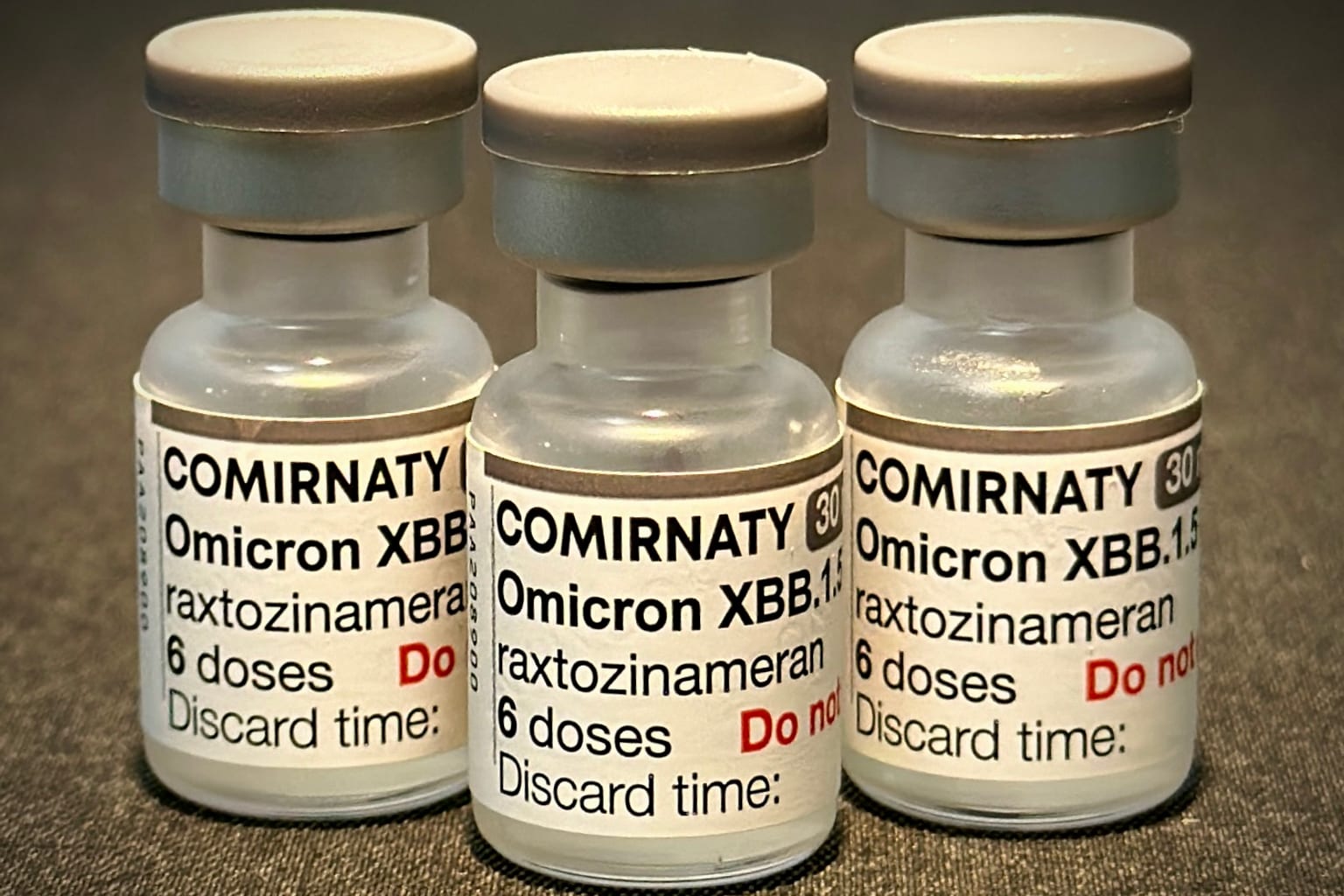
U.S. physicians had noticed that vaccinated cancer patients seemed to respond better to checkpoint drugs. The University of Florida team then looked at patient records to see whether the vaccine made a difference.
The team, led by Elias Sayour at the University of Florida with researchers from MD Anderson, reported the result in Nature. In patient records, people with advanced melanoma or lung cancer who received a COVID mRNA vaccine within 100 days of starting immunotherapy had nearly double the three-year survival rate of those treated with immunotherapy alone. Immunotherapy is the family of drugs that helps the body's own defences attack tumours.
Those drugs, called immune checkpoint inhibitors, work by releasing the brakes on T cells, the white blood cells that hunt abnormal cells. Since the first approval in 2011, they have been approved for more than 30 types of cancer. Yet they help only about 30% of patients, and the reason lies in how the immune system treats cancer. A virus carries genetic material that looks foreign, so the body reacts to it quickly. A tumour is built from our own cells, so there is no equivalent alarm, and the T cells that could fight it take longer to multiply and are slowed by signals the tumour produces.
The team's explanation is that the vaccine's mRNA, the messenger molecule that gives the shot its instructions, activates an immune sensor called MDA5. That sensor normally raises the alarm against viral RNA. Triggered by the vaccine, it sets off an antiviral response that prepares the immune system, which then responds better to the checkpoint drugs. In mice given the vaccine alongside immunotherapy, tumour growth slowed far more than with immunotherapy alone.
The result has a second test behind it. An independent study covering 4,407 patients with melanoma and lung cancer, treated with checkpoint inhibitors, found that vaccination within 100 days of starting treatment was consistently linked to better overall survival in both cancers. A separate analysis of lung cancer patients, the Vax-On-Third study, found that periodic COVID boosters did not make checkpoint inhibitors less safe or less effective.
The limits are clear. The findings come from patient records, which cannot prove that the vaccine itself caused the longer survival. The UF researchers hold patents on mRNA vaccines licensed to iOncologi, a biotech company that grew out of the university, a fact the study's own coverage discloses. Clinical trials are needed to confirm the effect and to learn which patients benefit and when the shot should be given.
If confirmed in trials, the approach could improve checkpoint outcomes across a wider range of cancers. It could also help build simpler vaccines, without the cost of personalised cancer vaccines, which must be made for each patient. The next step is a large clinical trial run through the OneFlorida+ Clinical Research Network, which connects hospitals and clinics across Florida.
Sources — read the originals(Paris time)
Pages consulted while writing
Read next
Comments
Loading the thread…
Sign in to leave a comment. Sign in