Flu shot in melanoma tumors: signs of shrinkage in 7 of 18
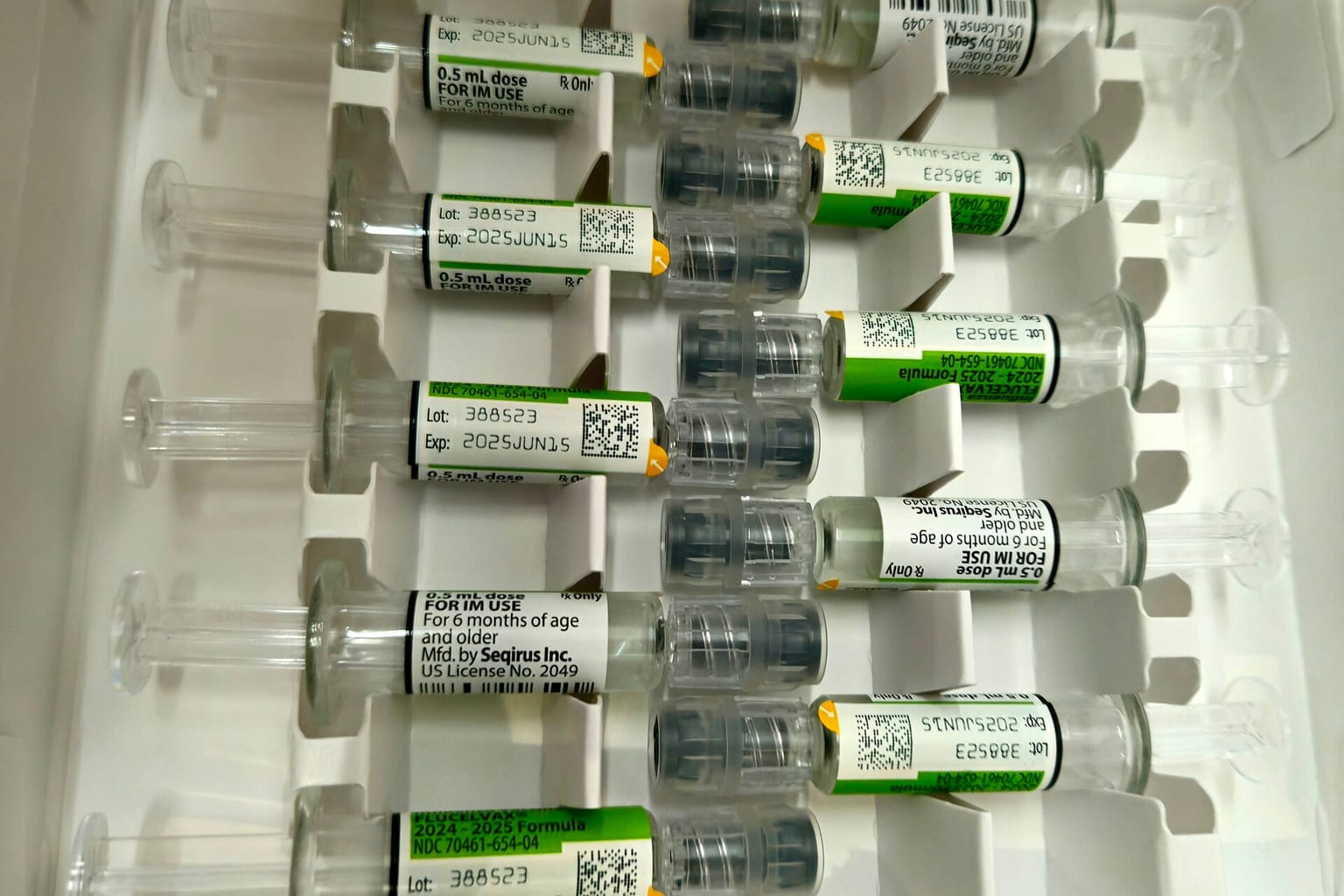
Each of the 18 patients began with an ordinary flu shot in the arm. A couple of days later, doctors at the Ohio State University Wexner Medical Center injected the same vaccine straight into their melanoma, and repeated the injection 12 days after that. For most patients, the dose in the tumor was roughly three times that of a standard flu shot. Two weeks later, surgeons removed the tumors. Seven of the 18 showed signs of shrinking, and three had no cancer cells left at all. Most tissue samples were packed with immune cells, and blood tests showed the immune system had switched on.
The vaccine does not teach the body to recognize the cancer. Instead, it stirs up trouble inside the tumor. Many cancers send out signals that keep immune cells away, and the injection breaks that calm. It draws in immune cells that collect fragments of the dying tumor and point the body's defenses at it. Dr. Ian Garbarine, the Ohio State surgery resident who presented the findings on Friday at a cancer immunotherapy meeting in Phoenix, called the pattern 'pretty striking'.
What the trial cannot show is whether the approach works. It had no comparison group, and research presented at meetings stays preliminary until it is published in a peer-reviewed journal. Marcin Kortylewski, a cancer immunologist at City of Hope in California who was not involved, liked the idea and called the procedure simple and well tolerated. He noted, however, that similar immune-boosting treatments have looked promising early on before failing in later testing, and that the method works only on tumors a needle can reach. Ohio State's own trial page describes a study that began in 2022 and enrolls patients with both early and late stage melanoma. It also says researchers could not yet discuss results publicly.
Other teams are trying the idea elsewhere. At the Dana-Farber Cancer Institute in Boston, oncologist Karam Khaddour is testing it on squamous cell carcinoma, a skin cancer usually cured by surgery. He hopes the shot leaves immune defenses behind that can catch cancer cells surgery misses. His colleague Catherine Wu, a cancer vaccine researcher, called the work 'exciting' and said a flu vaccine can 'give the immune system a kick in the pants'.
For patients whose melanoma a needle can reach, the appeal is a cheap, ready-made option, in contrast to the custom-built cancer vaccines now in use, as The Washington Post noted. No timetable has been announced for wider use. The next step is already under way: Garbarine's team is testing the flu shot alongside checkpoint inhibitors such as Keytruda and Opdivo, drugs that help the immune system fight cancer, in patients whose melanoma has spread and cannot be removed surgically. Garbarine suspects the pairing could work even better than the shot alone.
Sources — read the originals(Paris time)
Pages consulted while writing
Read next
Comments
Loading the thread…
Sign in to leave a comment. Sign in