A 'digital twin' now tracks every brain sample, from donor to data
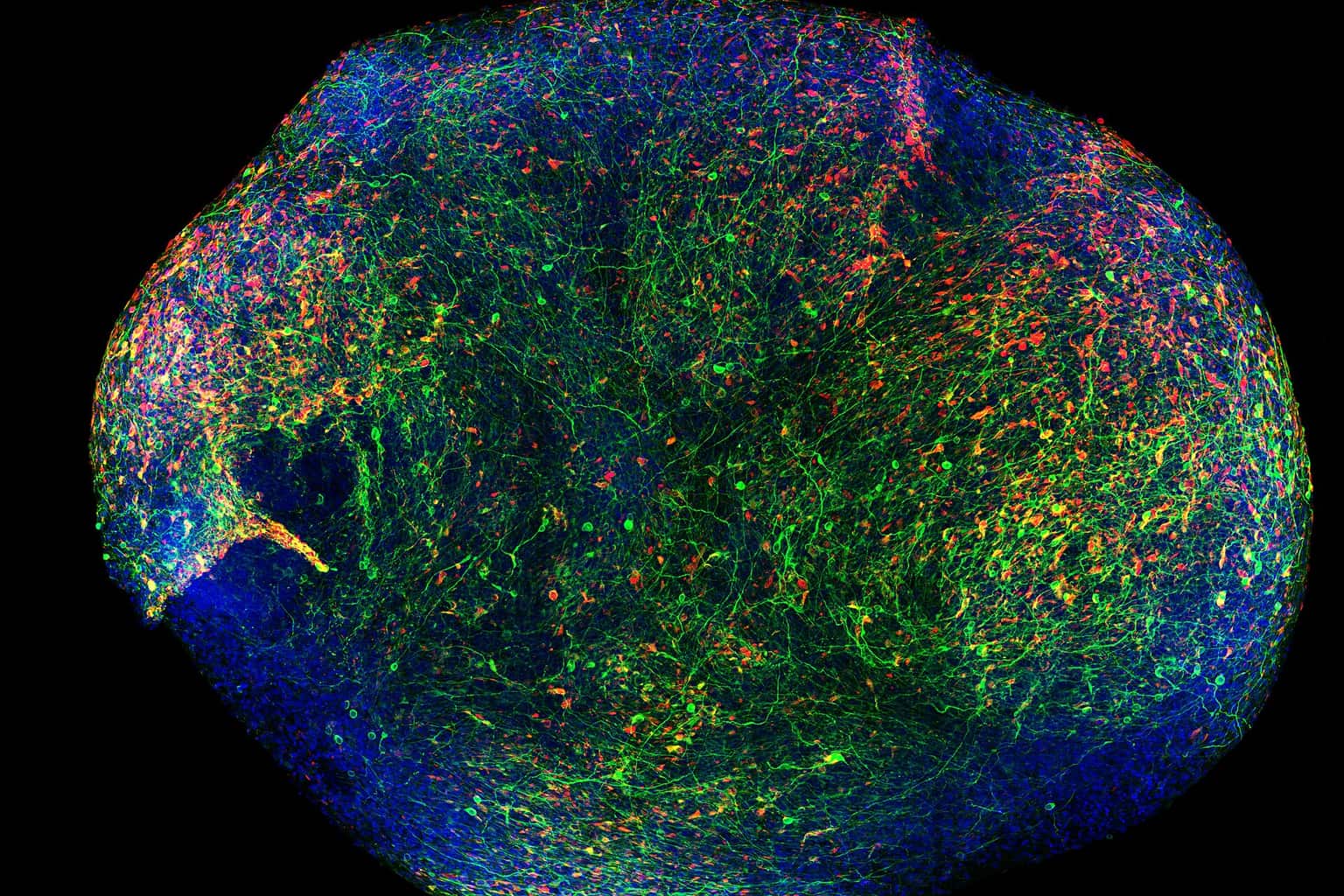
Human brain tissue is scarce. A single donated brain has to be split among research groups, and each group produces large volumes of data that are rarely easy to pool or reuse. At UTHealth Houston, GQ Zhang, the institution's vice president and chief data scientist, and his team have tackled the bookkeeping problem first, with a 'digital twin' of the research workflow that mirrors, in software, each physical step a sample goes through.
The platform, called the Neuroanatomy-anchored Information Management Platform, or NIMP, follows a sample through 15 steps between tissue and data. It records who received which piece of tissue, what was done to it, where it was sent for sequencing and where the resulting data sets were deposited. It also keeps the brain region the sample came from and the donor's demographic details. A dozen or more labs take part in the physical process. Zhang compares the system to a bank: without a ledger of every transfer, nobody knows who spent what.
NIMP is used within the NIH BRAIN Initiative Cell Atlas Network, or BICAN, an international project involving 55 institutions in nine countries. Its goal is an evolving atlas of cell types in human, macaque, marmoset and mouse brains. In the first three years of the project, the platform has managed data and metadata for 762 human donors and more than 8,000 brain tissue samples, and it tracks more than 18 million cells in the basal ganglia. The results are published in Cell Genomics, alongside a flagship paper in Cell that describes the scope of the collaboration. The basal ganglia govern movement, cognition, motivation and reward, and their dysfunction is implicated in Parkinson's disease, Huntington's disease, obsessive-compulsive disorder and addiction.
For researchers, the gain is practical. A sample collected in one lab can be traced and reused by others without losing its history, which matters when tissue is this rare. The work so far concerns how research is organised rather than treatments. Zhang says BICAN 'has the potential to revolutionize our understanding of the human brain', and that the platform will serve as the foundation for mapping the rest of the brain with the same methods.
UTHealth Houston describes BICAN as a five-year, $500 million NIH program whose goal is to map the approximately 200 billion cells of the human brain by type and function. The same tracking infrastructure is meant to underpin the rest of that mapping effort.
Sources — read the originals(Paris time)
Pages consulted while writing
Read next
Comments
Loading the thread…
Sign in to leave a comment. Sign in