Free online portal opens a large atlas of healthy human tissue
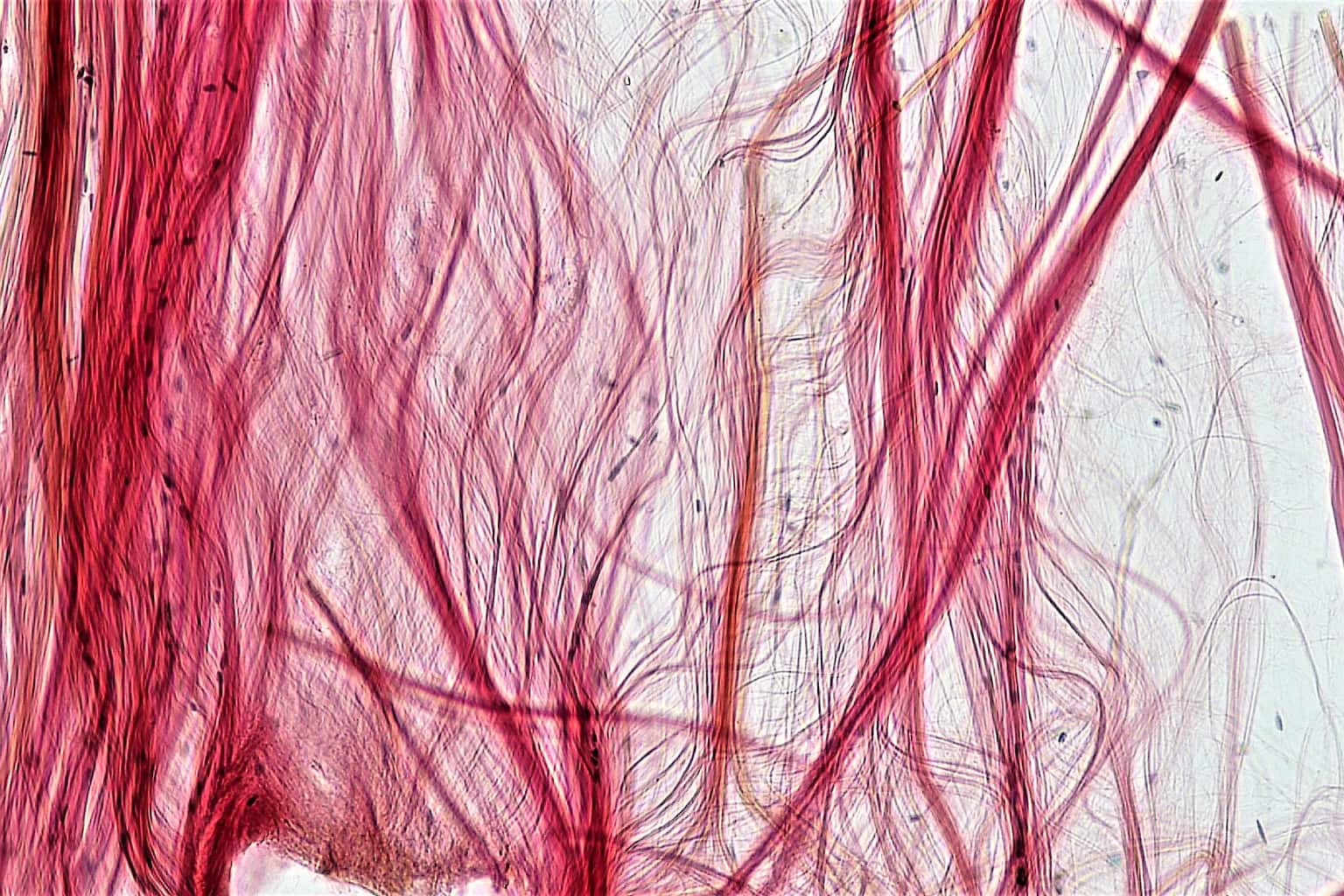
Anyone with a web browser can now explore the cells of a healthy human body. The HuBMAP Data Portal, described on 2 November in Nature Communications, puts one of the most comprehensive atlases of healthy cells, tissues and organ systems online, free of charge and open to researchers everywhere.
The atlas is the output of the Human BioMolecular Atlas Program, an eight-year effort that brought together more than 600 consortium members at more than 60 institutions. It was compiled from more than 9,000 datasets drawn from more than 500 healthy donors, across dozens of organs and tissues. The researchers say no other single resource offers that combination of scope and scale.
Why healthy tissue? Research groups already build atlases of people with disease, but each diseased profile means more beside a reference. "To understand disease, you first need to know what healthy looks like," said first author Morgan Turner, director of scientific operations in the HIDIVE Lab at Harvard Medical School. The portal brings together more than 25 types of molecular and imaging data. The hard part was making samples captured with very different tools comparable. The team wrote community-driven standards that contributors follow when sharing data, then built processing pipelines so that data from many labs and technologies are processed the same way.
The portal's tools let users view data by organ system, search gene expression patterns and molecular signatures across tissues, and explore single-cell data, meaning measurements taken cell by cell. Researchers can check whether the atlas holds the information they need before downloading the large datasets or using heavy computing resources. For deeper analysis, the metadata and programming interfaces are openly available. Sequencing data that could identify donors remains behind an approval process.
For researchers, the change is practical: a shared, comparable reference of healthy tissue, free to use, and built so that AI tools can work with it. The University of Pittsburgh and the Pittsburgh Supercomputing Center are building and maintaining the computing infrastructure that keeps the resource accessible over time. The portal is already online.
Sources — read the originals(Paris time)
Read next
Comments
Loading the thread…
Sign in to leave a comment. Sign in