A shrimp-shell coating kept medicine stable after a rocket flight
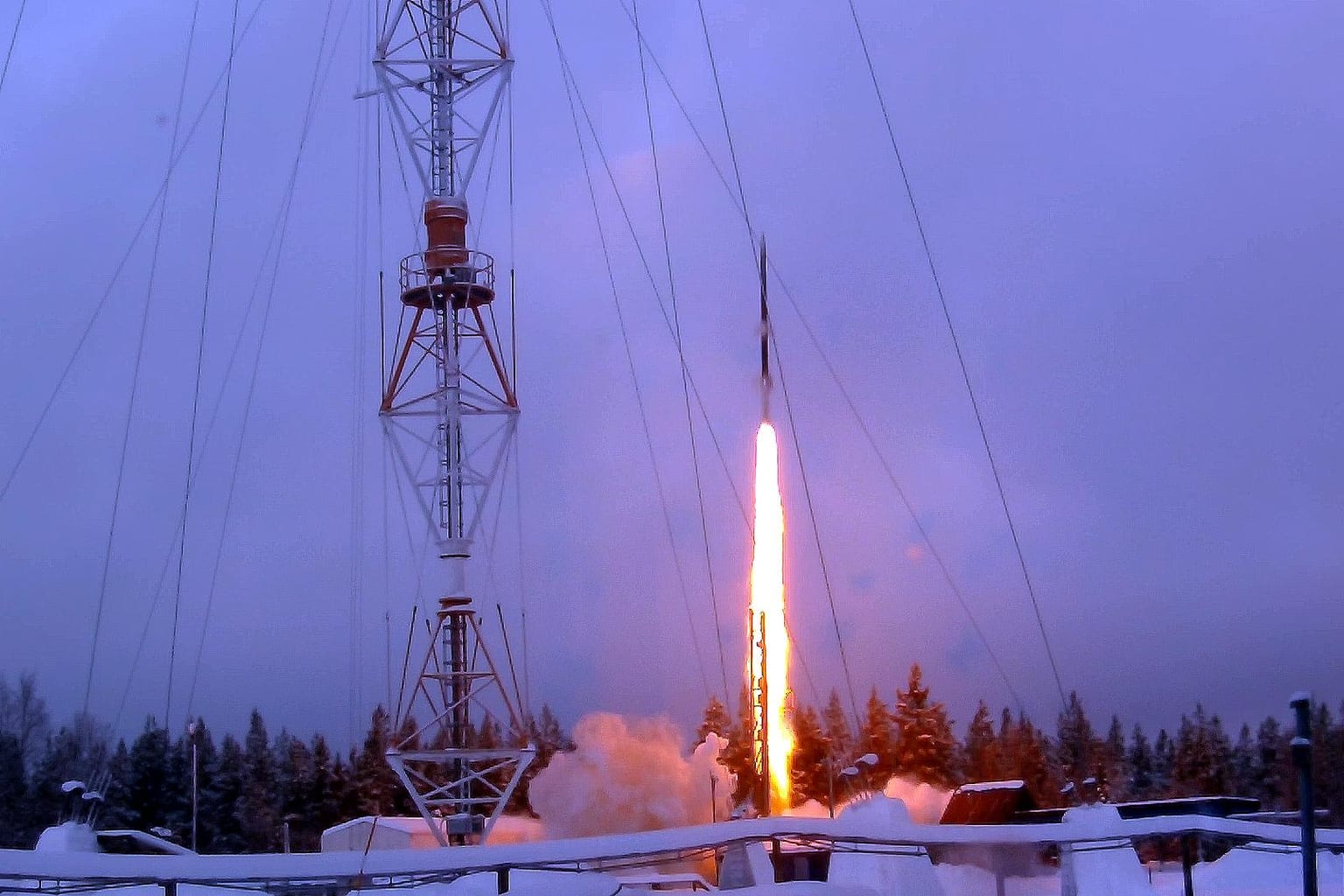
On 11 November 2024, a sounding rocket, a small rocket that makes a short flight above the atmosphere without reaching orbit, lifted off from the Esrange Space Center in northern Sweden. Its payload carried tiny droplets of medicine. The rocket climbed to about 310 kilometers (193 miles) above Earth and gave the payload more than seven minutes of weightlessness. Nobody on board was ill. The medicine simply had to get through the trip intact.
The experiment was led by Modupe Adebowale, a PhD candidate at Adelaide University in Australia, in partnership with the German Aerospace Center (DLR). The team tested melatonin, a hormone best known for regulating sleep and also studied for its possible role in protecting bone. Adebowale's team compared two versions of the same medicine: one left bare, one wrapped in a protective coating. "What was particularly exciting was that the coated droplets maintained their size and stability and continued to release the medicine in a predictable way after spaceflight," Adebowale said. The uncoated droplets showed some changes over time. The coating helped prevent those changes.
A nanoemulsion is a liquid in which oil droplets, far smaller than a grain of sand, are dispersed in water. The medicine sits inside those droplets and leaks out slowly, at a controlled pace. The coating is made of chitosan, a long chain of sugar-like units that is extracted mainly from the shells of crabs, prawns and shrimp. Around each droplet, it acts as a protective layer that keeps the structure from drifting apart.
Liquid medicines are already common in orbit. About 40 percent of the formulations on the International Space Station are liquid, according to Adelaide University. Launch vibrations, heavier gravitational forces and weightlessness all stress such a product, and Volker Hessel, a senior researcher at Adelaide University, notes that medicines designed for Earth may behave differently in space. The stakes rise with time in orbit: astronauts can lose as much as 25 percent of their bone during a longer stay, the university says. To separate the effects of flight from ordinary aging and handling, the researchers compared the samples that flew with others kept on Earth or put through vibration tests. The samples were prepared in Adelaide, shipped to Germany for integration into the rocket, then recovered and brought back to Adelaide for analysis.
Hessel said the results matter for future crews. "As we prepare for longer missions to the moon and Mars, we need to ensure astronauts have access to medicines that remain safe, stable and effective throughout their journey." The benefit may not stay in space. Jens Hauslage, a gravitational biologist at the DLR's Institute of Aerospace Medicine in Cologne, said sturdier drug delivery systems could also help health care on Earth, particularly where medicines must endure difficult transport or storage, in harsh environments and crisis regions.
The result rests on one flight, with more than seven minutes of weightlessness and a single rocket. The paper itself states that longer-duration spaceflight testing is needed to assess sustained protection. The next step the researchers point to is exactly that: testing these medicines on longer spaceflights, to see whether the coating keeps working.
Sources — read the originals(Paris time)
Pages consulted while writing
Read next
Comments
Loading the thread…
Sign in to leave a comment. Sign in