Varda grows cancer-drug crystals in orbit to test solubility
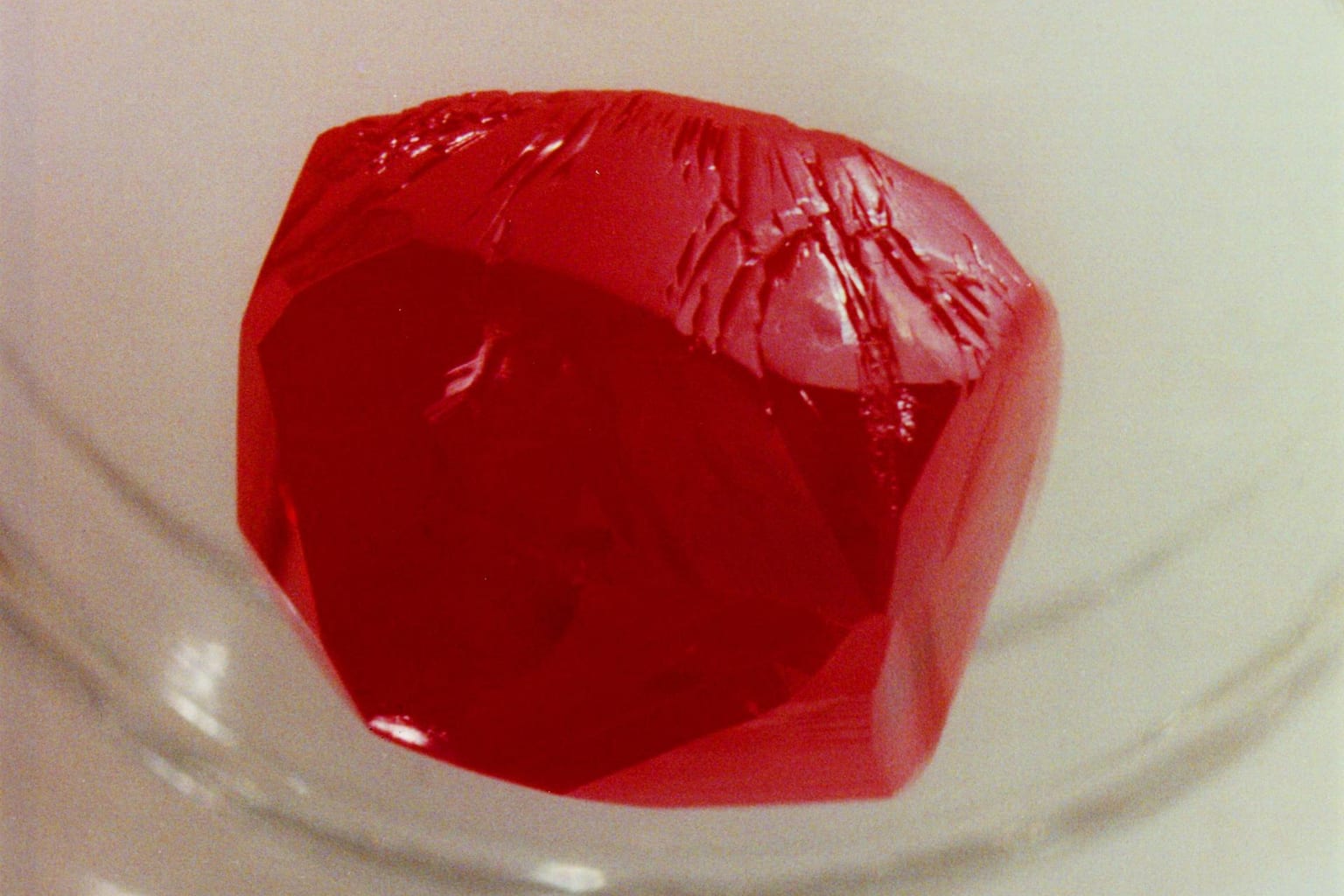
Many promising medicines fail for a mundane reason: the body cannot absorb them. Poor solubility, meaning how easily a substance dissolves in the body's fluids, is one of the leading causes of failure among drug candidates, according to Varda Space Industries, a California company. On Oct. 20, Varda launched a spacecraft called W-7 to test whether weightlessness can change that. The launch also gave Varda three spacecraft in orbit at once, a first for the company, The Guardian reported.
The W-7 payload mixes liquids with an active pharmaceutical ingredient, the part of a medicine that does the work. The compound belongs to a class called PROTACs, short for proteolysis-targeting chimeras. Rather than blocking a disease-causing protein, these drugs tag it so the cell destroys it. PROTACs are large, complex molecules that dissolve poorly, which makes them hard to turn into usable medicines. On Earth, gravity makes particles settle and creates currents in liquids, and both can disrupt crystal growth, says Meganne Christian, an in-space manufacturing mission manager at the UK's Satellite Applications Catapult. In microgravity, Varda says, molecules can form crystals that are more soluble.
Varda's first mission, launched in June 2023, grew crystals of the HIV drug ritonavir and returned them to Earth in February 2024. Michael Reilly, the company's chief strategy officer, says Varda is “finding new ways to make powerful medicines work better.” The results of W-7 are still unproven. The crystals must return to Earth before anyone knows whether they dissolve better, and the release gives no return date.
If the gains prove meaningful, the company says, they could open a path to clinical development, meaning tests in people. Cost is another hurdle. “It's not going to be commercially viable for every application,” Christian told The Guardian. Varda is not alone in the field: SpaceMD, a subsidiary of Redwire, says it has booked a 2028 SpaceX mission that could carry up to 32 drug research labs, and 54 of its PIL-BOX labs have flown to the International Space Station since November 2023, according to the company.
Varda has more flights planned. It plans a mission with United Therapeutics on a pulmonary disease treatment “sometime next year,” Reilly said, according to Axios, and The Guardian reports seven more missions in 2027.
Sources — read the originals(Paris time)
Read next
Comments
Loading the thread…
Sign in to leave a comment. Sign in