Brain-cancer organoids grown in orbit mirror advanced tumors better
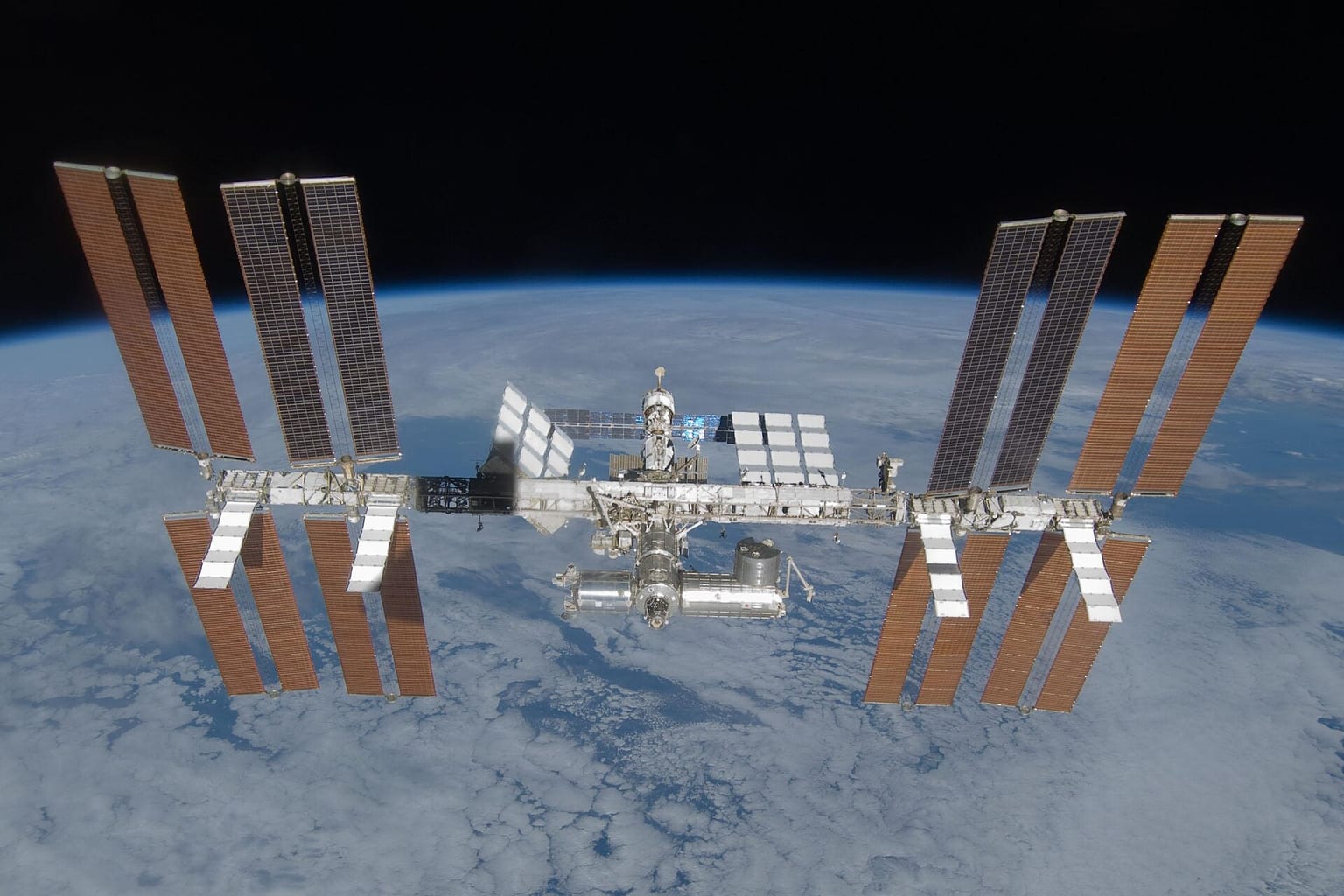
Forty days in orbit was enough to make brain-cancer models resemble advanced human tumors more closely. Glioblastoma organoids, the miniature 3D tissues scientists use to imitate human tumors, grown aboard the International Space Station (ISS) for 40 days, showed a tumor biology closer to advanced disease than their Earth-grown counterparts.
The obstacle is gravity. On the ground, cells settle as they grow, which disturbs the formation of complex 3D structures, and standard organoids fail to reproduce key features of advanced glioblastoma, the most common malignant primary brain tumor in adults. In microgravity, cells can assemble into 3D shapes with much less sedimentation, letting researchers recreate the tumor architecture and the interactions between cancer cells and immune cells. The investigation, led by Meenal Datta's team at the University of Notre Dame and launched in 2024 with support from the commercial provider Space Tango, combined glioblastoma cells with innate immune cells.
The comparison is the heart of the result. In the space-grown organoids, genes linked to inflammation, immune responses, tissue remodeling and blood-vessel formation were more active, and proteins associated with more aggressive glioblastoma biology were present at higher levels. The organoids also displayed a more immunosuppressive tumor microenvironment, the feature that lets advanced tumors resist the body's defenses. The study, published in the Proceedings of the National Academy of Sciences (PNAS), is also the first comprehensive multiomics dataset from space-grown organoids, combining gene activity, protein expression and cell organization within the tissue.
For researchers, this could mean a more faithful test bed for studying how the disease progresses and for screening new therapies before they reach patients. Datta and her team have already launched two further ISS investigations using patient-derived glioblastoma-immune organoids, the most recent flying on the SpaceX CRS-35 cargo mission for NASA. The sources give no date for any clinical application, and these models remain laboratory tools.
Sources — read the originals(Paris time)
Read next
Comments
Loading the thread…
Sign in to leave a comment. Sign in