A Spanish-built space vehicle is in orbit after its maiden flight
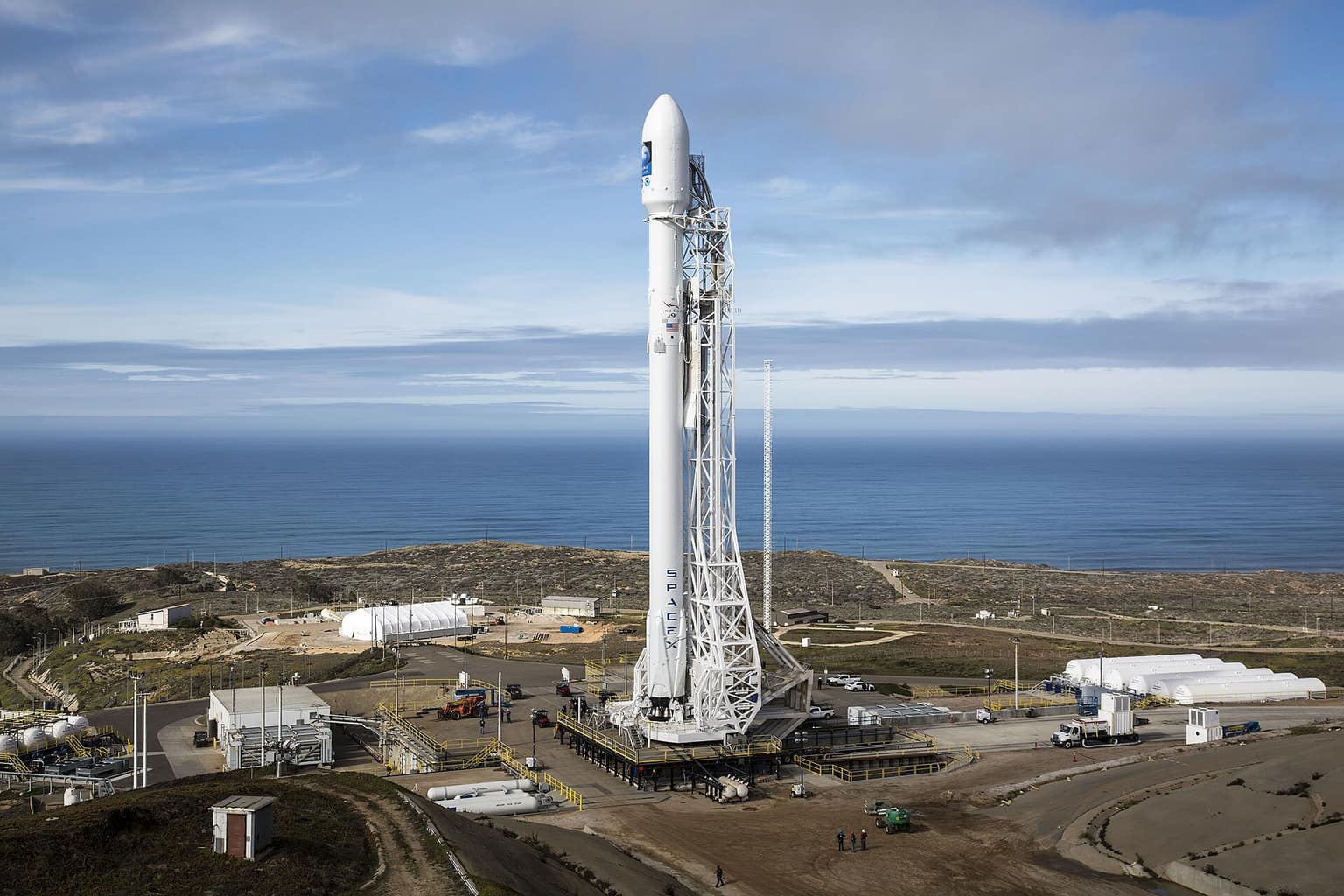
A SpaceX Falcon 9 rocket carried OSSIE-D into space, and the vehicle was then released by its own separation system, SAU&RON 24, built by the same company. For UARX Space, based in Nigrán in Spain's Pontevedra province, the maiden flight is a world first, according to the company: an orbital transfer vehicle and the system used to deploy it, both developed by one firm, on the same mission. OSSIE-D is an orbital transfer vehicle (OTV), a spacecraft built to move through space after launch, and UARX says 75% of its components were developed in-house.
The vehicle's electricity did not come from UARX alone. DHV Technology, a company based in Málaga, designed, qualified and built the full power subsystem: the solar arrays that collect sunlight, the power conditioning and distribution unit (PCDU) that controls and routes the electricity, the main batteries that store it, and the solar array drive assembly (SADA) that moves the arrays. After launch, UARX says, the system is operating nominally in orbit, and the first telemetry, the data sent back from the spacecraft, confirms that it performs as expected.
The flight has not been free of problems. UARX has been fixing anomalies identified during the maiden flight. A communications blackout was caused by 'a configuration error on the interface of the Ground Station service we are using,' UARX's chief technology officer, Andrés Villa, said. Since then, the company says, all spacecraft systems checkouts have been performed and everything is performing nominally.
For DHV Technology, the mission is also a test bench. The company says the results will help raise the technological maturity of several of its solutions, including new electrical interconnection methods, improved solar panel deployment and hinge mechanisms, and advanced photovoltaic technologies, all tested under real space conditions. For UARX, the flight strengthens its position in in-space transportation. For Spain's space sector, Villa said, it shows the country can develop complex projects that compete at European and global level.
The next step is already defined for one partner. Dawn Aerospace says the first OSSIE mission will carry only a structural version of its docking port, paving the way for future spacecraft to adopt the full fluidic version.
Sources — read the originals(Paris time)
Pages consulted while writing
Read next
Comments
Loading the thread…
Sign in to leave a comment. Sign in