A thin tile stopped a debris blow that pierced a metal plate
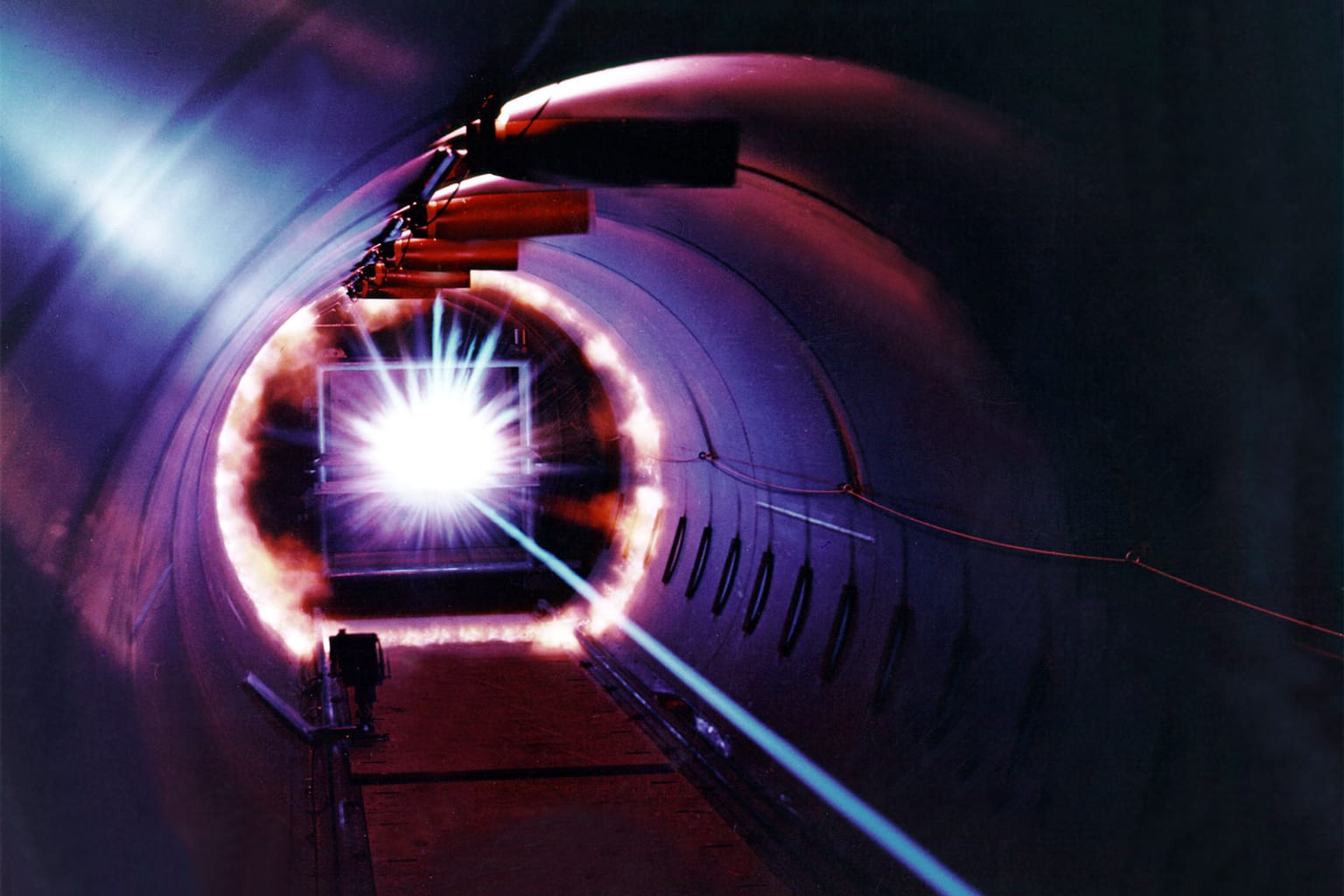
At Texas A&M University's Hypervelocity Impact Laboratory, a 3 mm aluminum sphere was fired at 7.2 km/s at a transparent torso filled with simulated soft tissue and bone. The same shot was run twice: once behind a composite tile, once behind a 4 mm aluminum plate. Behind the tile, the torso showed no visible damage or penetration, and the back of the tile did not bulge, crack or shed material. The plate let the sphere through, and fragments stayed lodged in the torso. The tile comes from Atomic-6, a maker of advanced composite materials, which sells it as Space Armor Lite. Its CEO, Trevor Smith, put the goal in one line: 'I can't think of a higher value asset than a human life.'
The threat is one engineers have lived with for decades. Satellites and astronauts are exposed to very small particles in orbit that are too small to track and travel so fast, at what the field calls hypervelocity, that a grain can punch through metal. The standard protection has been the Whipple shield, invented by Fred Whipple: a thin outer bumper set a few inches in front of the structure it protects. It is not meant to stop the particle but to break it up and spread its energy, so the structure behind takes a scatter of smaller impacts instead of one. The cost is room. Whipple shields need 4 to 6 inches of standoff space, which is too bulky to wear on a suit.
Space Armor is under an inch thick, according to Smith, and comes in two versions. According to Atomic-6, Lite stops hypervelocity impacts from objects up to 3 mm across. Max targets objects up to 12.5 mm and is built for crewed spacecraft and habitats. The tiles can also let radio signals pass, so antennas can sit behind them, while the second version blocks radio waves to keep signals from escaping. The company says both versions cost and weigh the same.
The tile has already left the lab. In October, a Space Armor Lite tile rode to orbit aboard Starburst-1, a spacecraft from Portal Space Systems, launched on a SpaceX Falcon 9 from Cape Canaveral on the Bandwagon-5 mission. On that trip its only test was whether it would survive the launch, and it did. Smith joked to Portal's CEO, Jeff Thornburg, that he hopes the satellite gets hit, just in the right spot. He was serious about the limits: 'There's really no way to orchestrate an impact in orbit.'
The results have limits, and the company names them. The torso was stationary, and Atomic-6 says a stationary torso is not a spacesuit. The tests show no injury outcome and say nothing about whether a suit would keep its pressure after an impact. One report on the launch notes that the tile's protection against real orbital debris remains unproven in space.
For satellite builders, the gain is room: a shield under an inch thick instead of a bumper that needs 4 to 6 inches changes what can be fitted around a spacecraft. For astronauts, the same idea matters most on a suit, where bulk is the enemy of movement. Atomic-6 is in early talks with suit makers about where armor can sit without cramping the wearer. The larger Max version is aimed at crewed spacecraft and habitats.
The next steps are tests on curved tiles and at new impact angles, which the company says it is planning. It gave no date for them, and none for a flight-ready suit.
Sources — read the originals(Paris time)
Pages consulted while writing
Read next
Comments
Loading the thread…
Sign in to leave a comment. Sign in