Simulations: X-ray aim changes how far an asteroid is pushed
If a dangerous asteroid were heading for Earth, one option could be a nuclear detonation that blasts one side with X-rays and nudges the rock off course. In new simulations published in the journal Icarus, physicist Nathan Moore and his colleagues at Sandia National Laboratories found that for a lumpy, irregular asteroid, where the X-rays land changes the result a great deal. For one simulated asteroid, the deflection velocity, the change in its linear speed after the burst, was 3.9 millimeters per second when hit from one angle, against 0.8 millimeters per second from another: nearly fivefold. For another asteroid, the change in rotational speed varied by a factor of 17.
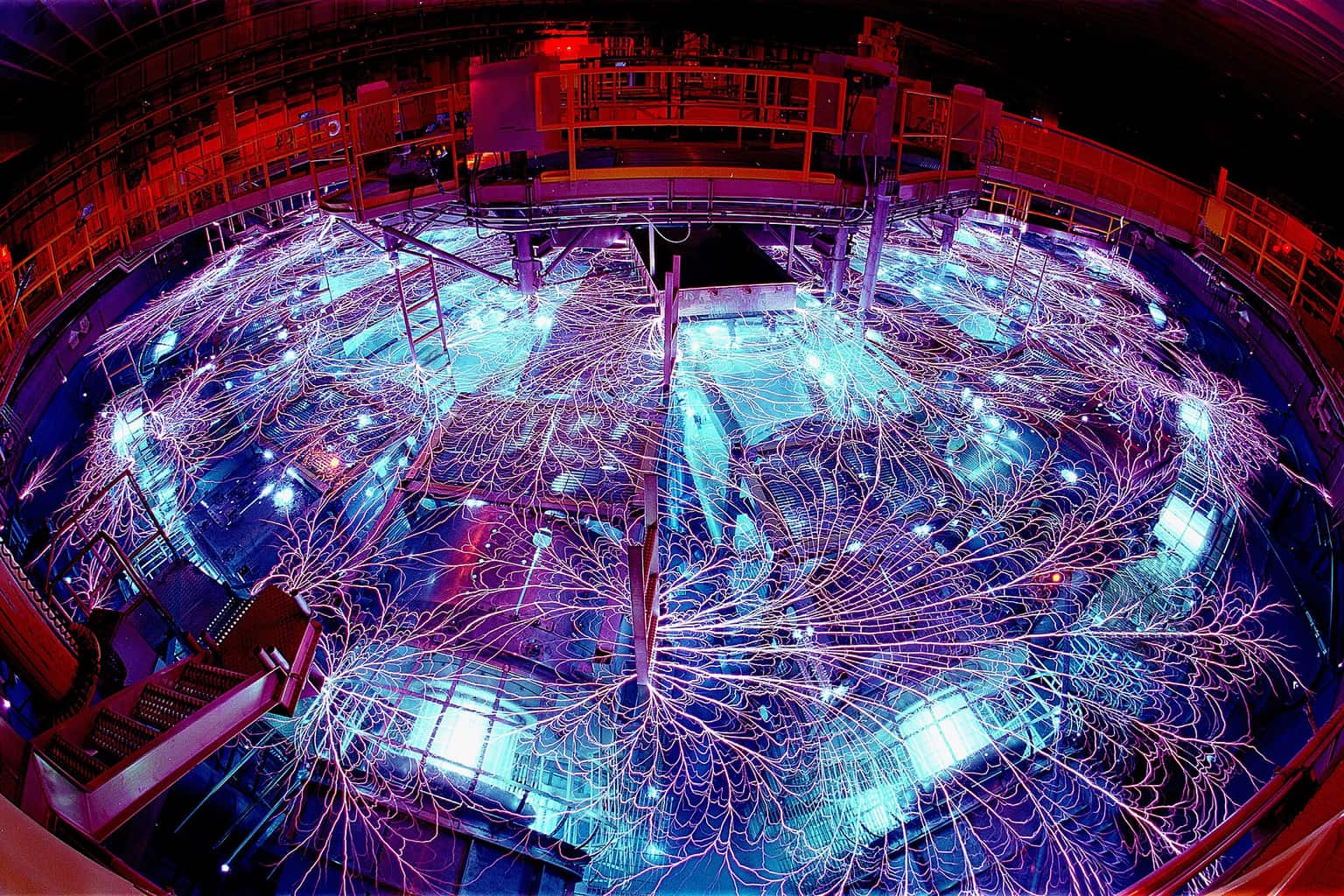
Most researchers had modeled asteroids as spheres, because spheres make the math easier. Moore said the trouble is that spherical asteroids do not exist. His interest grew after an experiment at Sandia's Z machine showed, for the first time, that X-rays could deflect a small piece of asteroid material. To model full-scale rocks, he borrowed two codes used at Sandia: ALEGRA, normally used for fast, high-energy experiments, and SPARTA, a direct simulation Monte Carlo code usually applied to weak, slow forces such as the drag on a satellite from the solar wind. Combining them, the team built a model that keeps realistic shapes and detailed physics together. Moore said the new algorithm is over 1,600 times faster than earlier versions, and that the speed was critical to the work.
The model starts from 3D imagery of an asteroid. It varies the size and distance of the explosion and the side that is irradiated, then produces a heat map showing how much of each part of the surface vaporizes. From that map, it calculates how hard the asteroid is pushed, how fast it spins and how much its surface might break apart. That last point matters, because the aim is to push an asteroid, not to shatter it into pieces that could still be dangerous.
The limits are clear. “Right now, our computer model only considers breakup of rocks on the surface,” Moore said. “We can't predict breakup of the entire asteroid body accurately yet.” The simulation needs fairly accurate shape data from all sides, and humans might not have time to collect it. Placing an explosive at the right distance from the right side of a tumbling asteroid would also be tricky, and the effects of an X-ray blast may interact with one another.
For planetary defense, the change is first in planning. The team's tool could, in theory, take an asteroid's shape, calculate the explosive strength, distance and direction that maximize the chance of success, and reduce guesswork. “Our study shows how important it is to aim carefully,” Moore said. “Pick the right side and you win. Guess wrong and it could be a bad day.” The sources give no date for practical use. Before the full-body calculation becomes possible, Moore's team says it will take more research and investment in better modeling tools.
Sources — read the originals(Paris time)
Read next
Comments
Loading the thread…
Sign in to leave a comment. Sign in