A virus-based vaccine prevented colon tumors
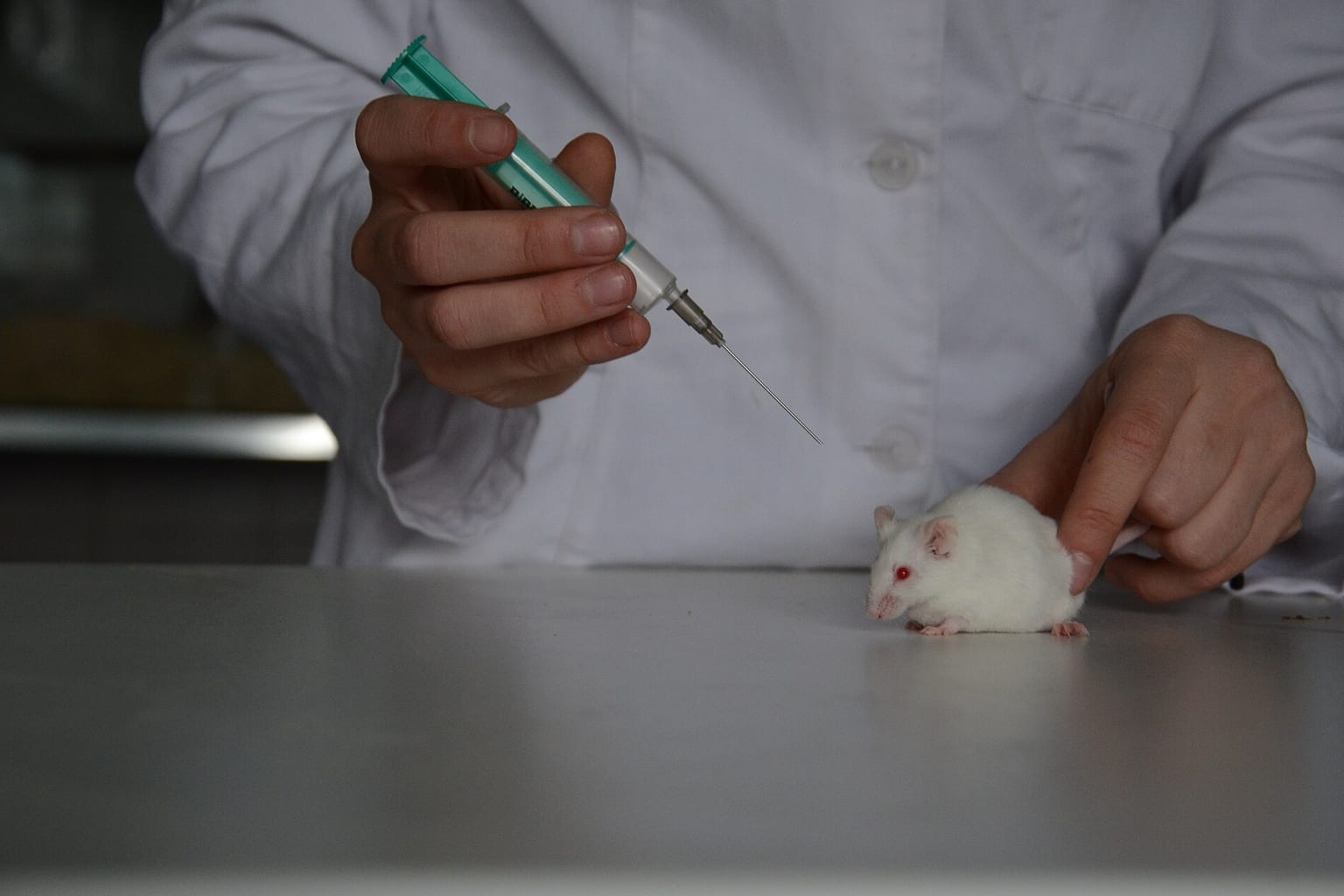
Mice that received an experimental vaccine were much less likely to develop tumors when later exposed to melanoma cancer cells. The vaccine was developed at MIT on a harmless virus called M13, a bacteriophage whose long, thread-like structure can be coated with cancer antigens, the protein fragments that tell the immune system what to attack. The study appears in Advanced Healthcare Materials. Its lead author is Shengnan Huang, a research scientist at the Koch Institute, and the senior author is Angela Belcher.
The central question was dose. Earlier work from the lab suggested that the number of antigens on the virus affects how strong the immune response is. Huang found that adding one or two negatively charged amino acids to the viral protein raised the density of antigens on the surface, and that a genetic mutation slowing antigen production allowed finer adjustment. The researchers produced phages with antigen densities from 6% to 70%, then tested two in mice. The version at 35% was the most protective. Dendritic cells, which help activate T cells, took up the higher-density particles more readily, which the researchers link to the stronger response.
Most vaccines need a separate adjuvant, an additive such as aluminum hydroxide that boosts the immune response. Here the team changed the virus's DNA so that the adjuvant effect is built in. Single-stranded DNA activates TLR9, a pathway of the innate immune system, so the phage can stimulate immunity by itself. Belcher describes the result as a system in which length, antigen density, pattern and adjuvant amount are all genetically encoded.
In a second experiment, the team built a vaccine against ADPGK, a neoantigen expressed only by tumor cells in a mouse model of colon cancer. Mice that received the higher-density version were much less likely to develop colon tumors. The approach has limits: the work is in mice, and this study tested prevention. In earlier research, the same lab adapted the vaccine to treat colon tumors that had already formed.
What changes is the design method. Because the antigen can be switched on demand, a single platform could in principle be tailored to a patient's tumor, targeting a known antigen for a given cancer. The researchers also hope to apply the vaccine to other cancer types. Alberto Danielli, an associate professor at the University of Bologna who was not involved in the study, said the work "adds another cog" to the platform's translational potential. The next step is more testing across cancers, and no timeline for human trials has been given so far.
Sources — read the originals(Paris time)
Read next
Comments
Loading the thread…
Sign in to leave a comment. Sign in