A window-sized panel pulls water from desert air, with no power
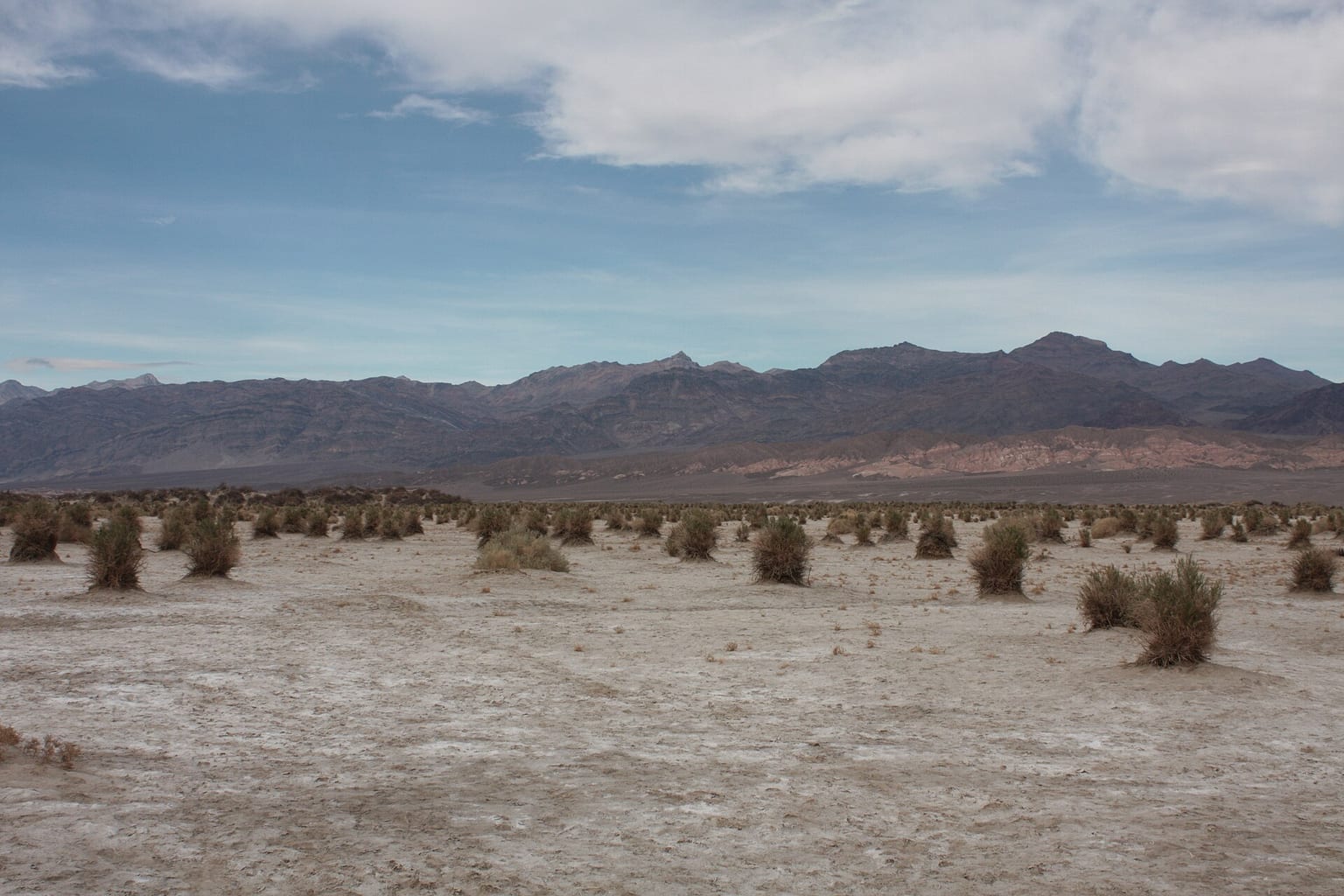
Death Valley, California, is one of the driest places in North America. For seven days, a panel about the size of a window sat outdoors there and drew water out of the air. It used no electricity and produced between 57 and 161.5 milliliters of water a day. The device was built by MIT engineers. The study's lead author, Chang Liu, is a former MIT postdoc who is now an assistant professor at the National University of Singapore. The trial showed that the design works outdoors.
The heart of the device is a hydrogel, a soft material that soaks up water vapor the way a sponge soaks up a spill. Desert air holds the most moisture at night, and that is when the gel fills up. During the day, sunlight warms it and helps release the trapped water as vapor. The vapor condenses on the inside of a glass chamber and drains away through a tube. A special polymer film on the outside of the chamber helps cool the glass.
Pulling water out of air is not new, and it is hard. Most methods chill the air below its dew point, the temperature at which vapor turns into liquid. A figure cited by Fast Company puts the number of people affected by a lack of safe drinking water at 2.2 billion. In deserts, where rain is rare and pipes are scarce, every usable source counts.
The team's answer was to change the shape of the material. They folded the gel into small domes to give it more surface for absorbing moisture, and mounted it as a vertical panel. The study calls it a vertical origami hydrogel panel.
According to the study in the journal Nature Water, the device kept producing water across air humidity levels from 21 to 88 percent, which includes the very dry air of the desert. The result is still a prototype: one device, one site, one week of measurements. Science magazine, which describes a research 'explosion' in this type of device, notes that results so far are modest, with prototypes reaching up to 1.2 liters of water per kilogram of hydrogel per day.
For a village or a home with no grid and no nearby well, the appeal is simple: nothing to plug in and nothing to fuel. At most 161.5 milliliters a day from one panel is a small amount, so a household would need many panels working together. The team calls its trial a test of feasibility for scaling up the technology. Science notes that the research feeding this field could also yield tech that cools data centers. The next test is the one that counts for households: whether an array of panels can make enough water for one.
Sources — read the originals(Paris time)
Pages consulted while writing
Read next
Comments
Loading the thread…
Sign in to leave a comment. Sign in