Plastic waste turned into water-harvesting sponges, tested in lab
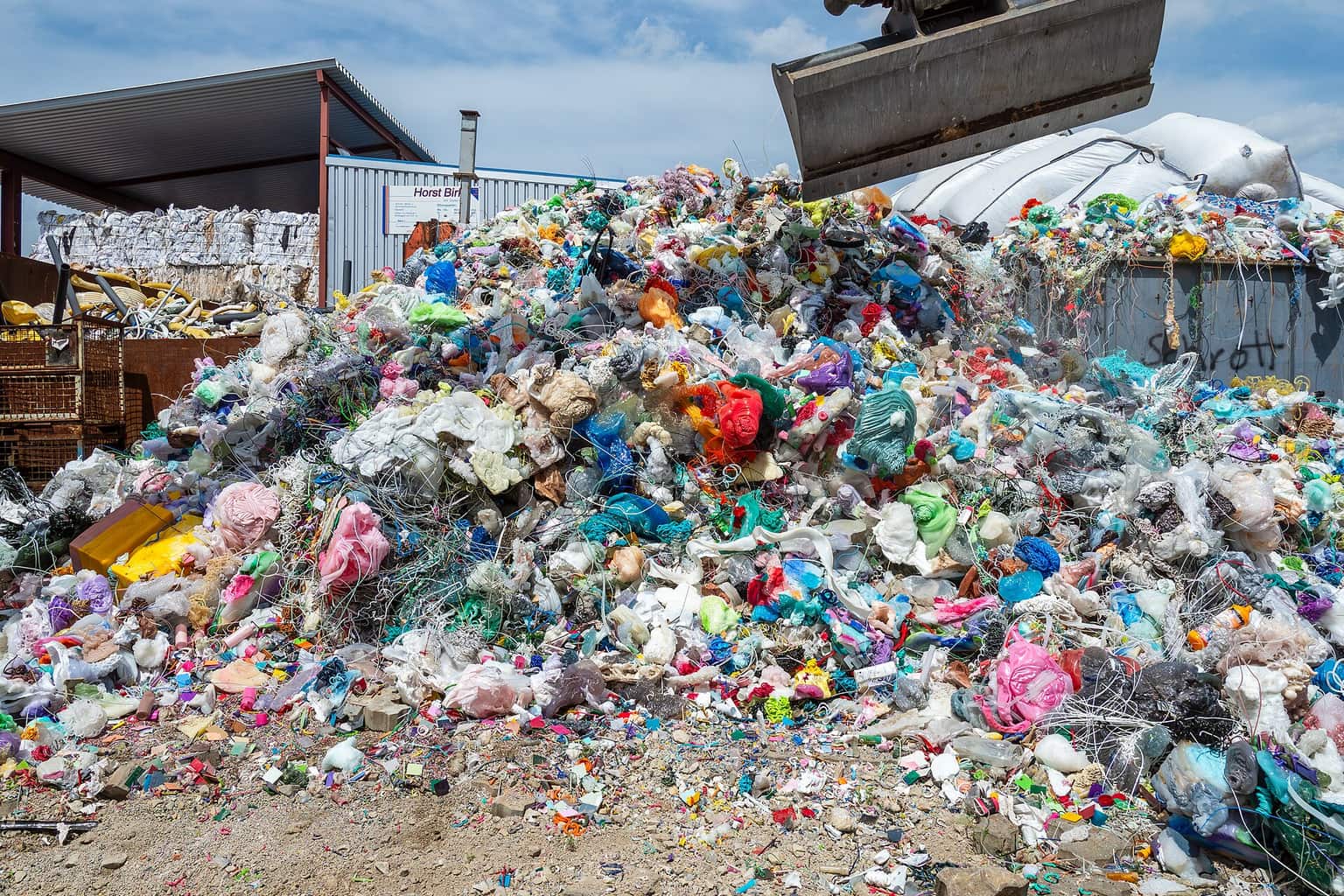
Old LEGO bricks, a stack of CDs, a polystyrene cutlery tray: at the University of Vienna, the everyday plastic that ends up in the bin became the raw material for a material that pulls water out of the air. Materials chemists Anastasiia Naryshkina, Paul Schweng and Robert Woodward converted several types of plastic waste into water-attracting polymer networks. Their study, published in Chem Circularity in 2026, offers a route to give plastic waste a second life as an adsorbent for atmospheric water harvesting.
Plastic waste and water scarcity are both major environmental challenges. Atmospheric water harvesting captures water vapor directly from air, then releases it on triggered heating so it can be collected. It is promising as a decentralized or off-grid supplementary water source. A material suited to the job must attract moisture, hold a large amount of it and withstand repeated capture-and-release cycles. The team asked whether discarded plastics could serve as the starting point for these molecular sponges.
The chemistry works in two steps. Certain plastics are aromatic polymers, whose molecules contain rings of six carbon atoms. These rings serve as anchor points that tie the polymer chains together into a porous network with tiny internal spaces. A later treatment with sulfuric acid adds sulfonic acid groups, chemical sites that attract water, including from relatively dry air.
The researchers made these sponges from polystyrene packaging, polycarbonate CDs, ABS LEGO bricks and a selected mixture of waste plastics. The polystyrene sponge, the material used for single-use cutlery and CD cases, took up almost 60% of its own weight in water from humid air, and 20% in dry, desert-like conditions. Most of the capture and release happened within one hour, with mild heat such as sunlight doing the release. The sponges withstand the cycling well, so the same material can generate water again and again. The work is still at the laboratory stage. The study leaves open the long-term performance of the sponges and the overall resources needed to make them, and the researchers give no timeline for a product.
For now, the gain is a proof that the waste stream can be turned into a working material, mixed plastics included. For communities without a reliable water network, or sites far from the grid, a sponge like this could one day supplement a supply that depends on air and sunlight. Whether it gets there depends on the long-term tests now underway, and no date has been set.
Comments
Loading the thread…
Sign in to leave a comment. Sign in