AI agent drafts ultrasound reports for radiologists, in a study
When a patient arrives in an emergency department with severe abdominal pain, the time it takes to read a scan can decide how soon they reach the operating table. At the University of Colorado Anschutz School of Medicine, researchers have built an AI agent that reads right upper quadrant (RUQ) ultrasounds, the scans of the liver, gallbladder, right kidney and part of the pancreas. Reported in Nature Communications, the system reads these scans, scans them for 16 common diagnoses, estimates each patient's prognosis and writes a draft report. It is designed to be checked by a radiologist, not to replace one.
The pressure it targets is well documented in the study. Demand for medical imaging is rising as the US population ages, and radiologists are handling heavier loads with fewer resources. The authors say that as of 2022, radiologists were leaving the field at twice the rate they did in 2014. Reading an RUQ ultrasound is also demanding: the scans contain visual noise and artifacts, and the diagnosis often depends on the skill and experience of the person reading it. A model trained on the same criteria, the researchers argue, could make readings more consistent from one interpreter to the next.
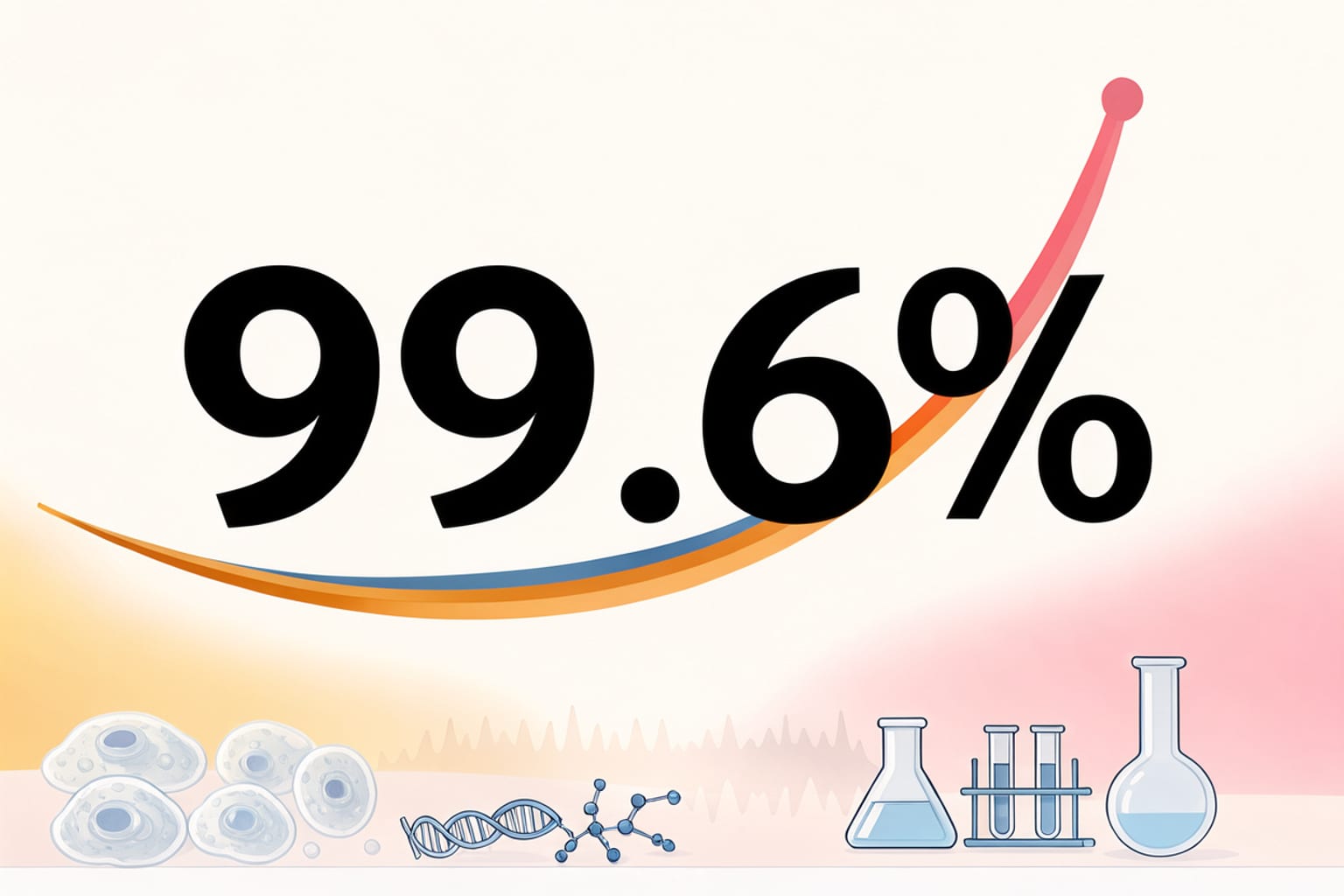
The team tested the system on roughly 11,000 RUQ ultrasounds from Stanford University, the University of Colorado and Johns Hopkins University. The researchers then reviewed 100 of the AI-generated reports by hand. In that sample, the system identified the correct diagnoses 99.6% of the time. Its mistakes were usually easy for the radiologists who edited the reports to catch. In a blinded test, experts could pick out unedited AI reports most of the time, but could not distinguish radiologist-edited AI reports from those written by radiologists.
For radiologists, the immediate gain would be time: a preliminary report that they check, rather than write from scratch. For emergency patients, the researchers point to cases such as acute gallbladder inflammation, which requires surgery right away, where a faster diagnosis could mean faster treatment. Those benefits have not yet been measured in clinical practice. The researchers say the system must first be evaluated in real-world emergency care, and that studies must examine how doctors and AI work together, and how that affects diagnostic accuracy, efficiency and patient well-being. Bai, the senior author, does not expect AI to replace human supervision in medicine, and he expects doctors will need time to adapt to the tool.
Sources — read the originals(Paris time)
Read next
Comments
Loading the thread…
Sign in to leave a comment. Sign in