In a rural US study, AI helped non-specialists take heart scans
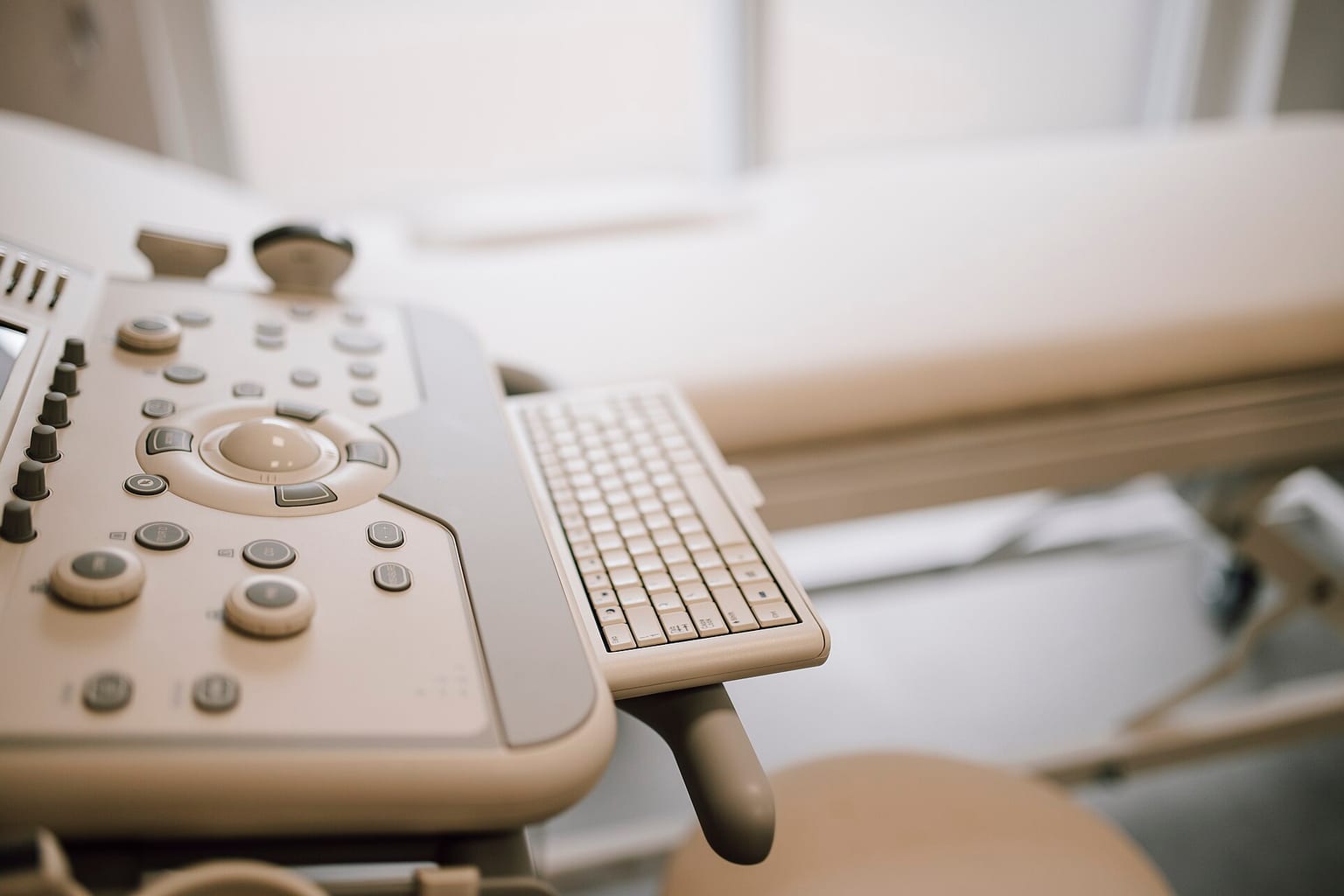
A mobile health unit pulled into one of ten rural counties in Alabama, Kentucky, Louisiana or Mississippi. Inside, a nurse, a nursing assistant or a CT technician, none of whom had ever performed a heart ultrasound, placed the probe on a volunteer's chest. Real-time AI guidance helped them capture the images.
Echocardiography, the ultrasound imaging that shows the heart's structure and how it moves, is one of the most useful tools in cardiovascular research, as study author Dr. Sanjana Ravi of Duke University put it. Until now it has been hard to deliver outside hospitals. The conventional model depends on an expert sonographer in a hospital or imaging centre, and there are few cardiovascular imaging specialists in these regions to review the images and explain results to patients. Dr. Lee H. Schwamm of the American Heart Association pointed out that one in five Americans lives in a rural area, which limits their access to critical diagnostic testing and specialty care.
The study enrolled 4,597 adult volunteers aged 25 to 65, with an average age of 48, and 67% of them women. The 14 non-sonographers took a two-hour, four-part training combining virtual and hands-on sessions. Of all scans, 98% included the six standard views required by the protocol. Experts at the Duke Clinical Research Institute Imaging Core Laboratory rated the studies adequate for measurement more than 99% of the time, and diagnostic quality for individual views ranged from 77% to 94%. Scans were completed within the 15-minute target 81% of the time, with a median of 9.5 minutes. Three of the 14 needed retraining after reviewing their first scans.
Among the volunteers, 133 scans showed critical results. The most common was an ejection fraction below 50%, meaning the heart's main pumping chamber pushes out a smaller share of its blood with each beat than normal. 99% of those results reached participants within three days. These volunteers were scanned as part of the research, not for a medical reason, and the findings are preliminary.
For a rural resident, the change is that the scan comes to the community instead of the patient travelling to an imaging centre. Ravi described it as bringing imaging to the community rather than asking the community to travel to it. Schwamm said that if the approach is confirmed in further studies, it could serve as a model for other specialties and diagnostic tests. No timeline for wider use has been announced.
Sources — read the originals(Paris time)
Read next
Comments
Loading the thread…
Sign in to leave a comment. Sign in