AI and wearables warn of blood pressure crises up to 3 days ahead
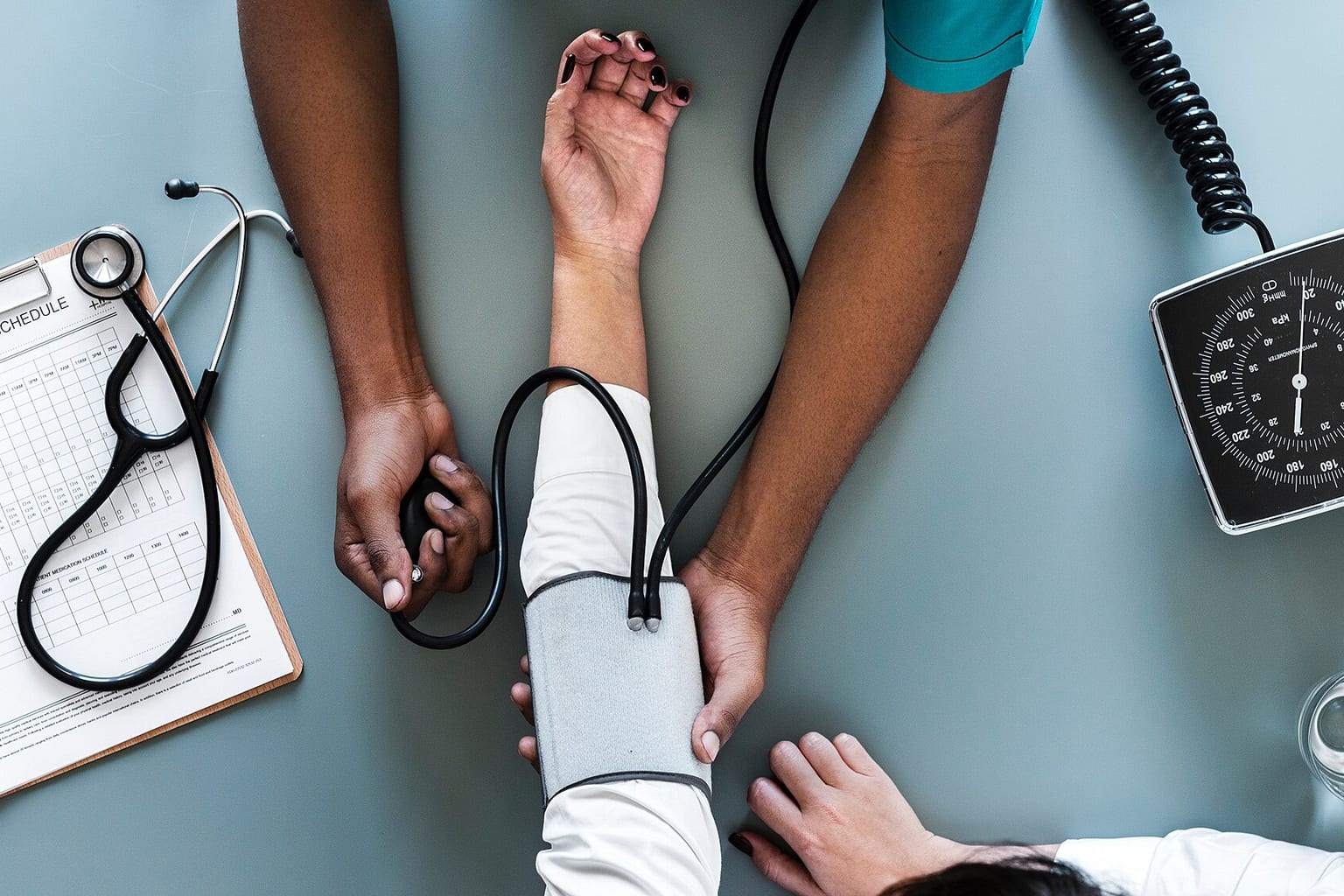
A blood pressure reading is a snapshot: one number, taken at one moment. A hypertensive crisis, when pressure climbs above 180/120 mm Hg with acute damage to organs, can build quickly, and many patients have no warning symptoms before it strikes. In a preliminary study due to be presented at the American Heart Association’s Scientific Sessions 2026, in Chicago from Nov. 6 to 9, researchers tested whether a continuous stream of readings, analyzed by AI, could see such a spike coming up to three days in advance.
The stakes are large. Stage 2 high blood pressure, defined as 140/90 mm Hg or above, is the condition being monitored here. A crisis can lead to stroke, heart attack, kidney damage, aortic dissection or pulmonary edema, which is fluid backing up in the lungs. Hypertensive crises are medical emergencies and a leading cause of heart-related emergency department visits. The 2025 High Blood Pressure Guideline from the American Heart Association and the American College of Cardiology notes that nearly half of U.S. adults have high blood pressure, and that it is the No. 1 modifiable risk factor for heart attack, stroke and heart failure.
The system combined two devices. A portable cuff monitor took repeated readings throughout the day and night, including during daily activities and sleep. A wrist-worn tracker recorded heart rate and heart rate variability. The AI analyzed 47 characteristics in this data, among them how much blood pressure fell during sleep and how far it rose after waking. When the model judged a wearer to be at risk, it issued an alert, and the physician contacted the patient, reviewed symptoms and adjusted medication if needed. The study followed 4,190 adults aged 40 to 85, with an average age of 62.4, at a single hospital in Sindh, Pakistan, from January 2025 to January 2026.
Over the 12 months, 312 of the more than 4,000 participants experienced 418 hypertensive crises, about 7% of the group. Among those who received an alert, about 32% went on to have a crisis, while 97.4% of patients without an alert remained crisis-free. The AI tool distinguished higher-risk from lower-risk patients up to 72 hours in advance. Two patterns stood out: participants whose blood pressure did not drop normally during sleep had nearly five times the odds of an upcoming crisis, and those whose pressure rose more than 35 mm Hg after waking had nearly four times the odds.
For a patient with stage 2 hypertension, what changes is the time available to act. Among patients whose physicians received an alert and adjusted medication within 24 hours, crises were about 61% lower and emergency department visits were about 45% lower than in people who did not receive that timely intervention. The lead author, Dr. Waleed Razzaq Chaudhry, an internal medicine resident at the University of Maryland Capital Region Medical Center in Largo, Maryland, framed the gain in days: “If we are able to recognize an increased risk of a hypertensive crisis days before it occurs, we have an opportunity to provide earlier care.” These are preliminary results from one hospital, and the comparison does not by itself prove that the alerts caused the drop.
Dr. Maria Delgado-Lelievre, a hypertension specialist at the University of Miami Leonard M. Miller School of Medicine, sees the tools as a complement to care rather than a substitute: “Studies like this highlight the growing potential for digital health technologies to complement, not replace, clinical decision-making when caring for people with hypertension.”
Sources — read the originals(Paris time)
Read next
Comments
Loading the thread…
Sign in to leave a comment. Sign in