Smartwatch flags hidden high blood pressure about as well as a clinic
High blood pressure rarely announces itself. Hypertension, defined as readings of 140/90 mmHg or higher, often causes no symptoms, and over half of adults who have it are unaware of their condition. On 19 November 2026, Nature Medicine published a prospective clinical study suggesting that the sensor already on many wrists could help find them.
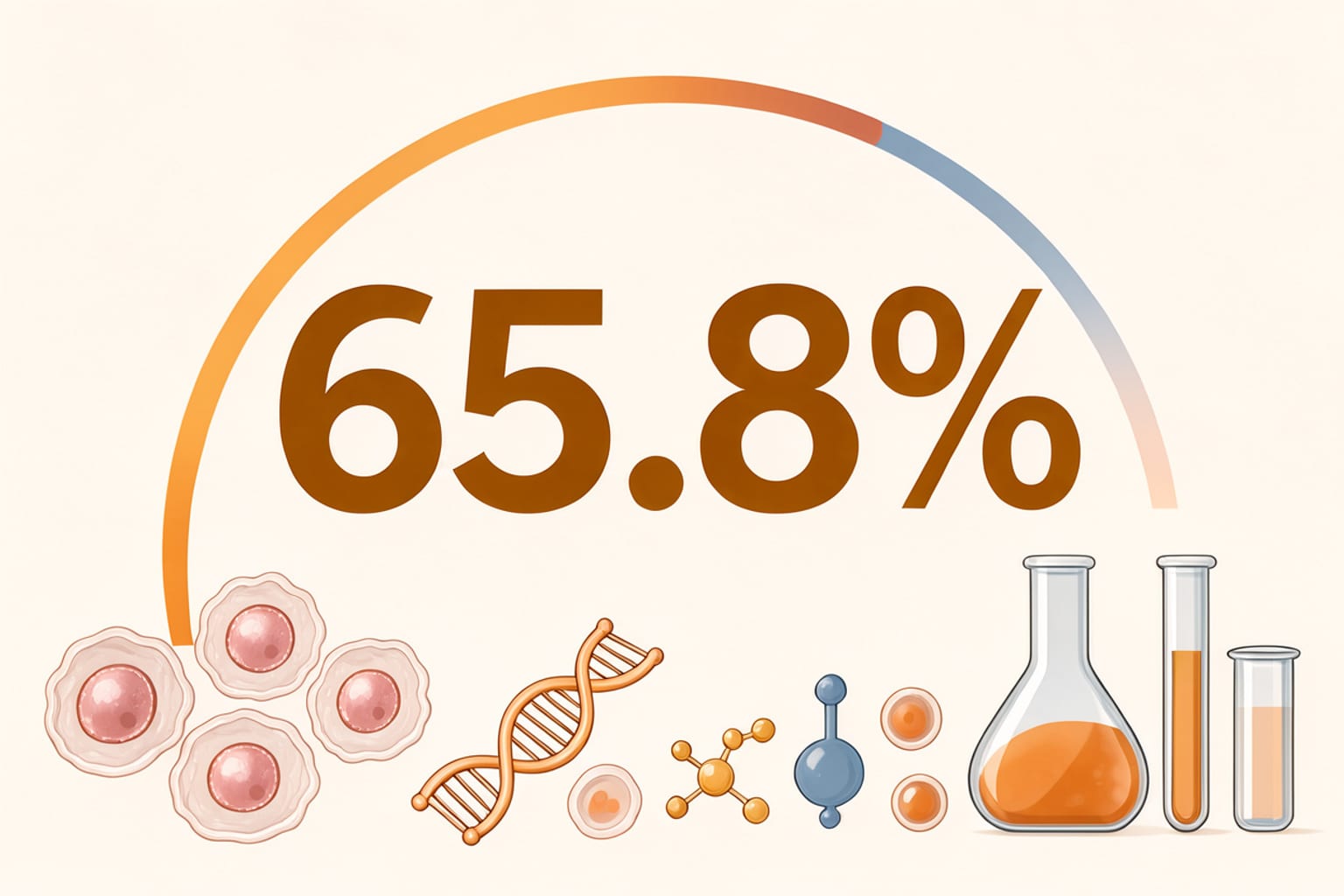
The system, called AI-PPG-ACC-HTN, was developed by a Google Research team with a university partner and tested on a consumer smartwatch. Over seven days of real-world monitoring, the watch flagged hypertension in 65.8% of cases, against 55.3% for the office-based cuff measurement taken from the same participants. Both methods correctly cleared 90% of people without the condition. Put simply, the watch caught slightly more of the sick, without raising more false alarms among the healthy.
The watch uses two sensors it already carries. One is an optical sensor that measures changes in blood volume under the skin of the wrist, a technique called photoplethysmography. The other is an accelerometer, which tracks movement. A deep neural network was first trained on 492,347 hours of unlabeled sensor data, then given features averaged across the days each person wore the watch, together with their height. The model needs no cuff calibration. Its results were checked against 24-hour ambulatory blood pressure monitoring, the clinical reference standard, which participants wore for a full day.
The interest lies in where the measurement happens. Most screening today takes place during a dedicated clinic visit. The study proposes what it calls opportunistic screening: checks made during everyday use of a device the person already owns. Google says hypertension affects over one billion people, and that more than half of them don't know it. A system that works in the background could reach people who never book a blood pressure check.
The limits are real, and the study's own numbers show them. At 65.8% sensitivity, the watch missed about one case in three, so a negative result cannot rule hypertension out. The cohort was deliberately enriched for people at higher risk, all participants were in the United States, none had known heart disease, and none took blood pressure medication. Medicalxpress summarises the conclusion as a tool that could support screening, but not replace cuff-based monitoring. A Nature review of wearable blood pressure devices also notes that no cuffless technology has yet shown convincing evidence of the accuracy needed for clinical use.
The same research is already reaching consumers. Google's Health app has a blood pressure trends feature, and the study influenced its development, according to DEV Community. Sahha reports that the feature gives wellness trends, not FDA-cleared measurements, and that the first monthly reports arrived on 1 October 2026. Androidpure, however, reports that US owners do not get the feature at all.
Sources — read the originals(Paris time)
Pages consulted while writing
Read next
Comments
Loading the thread…
Sign in to leave a comment. Sign in