AI can spread robotaxi fleets to suburbs
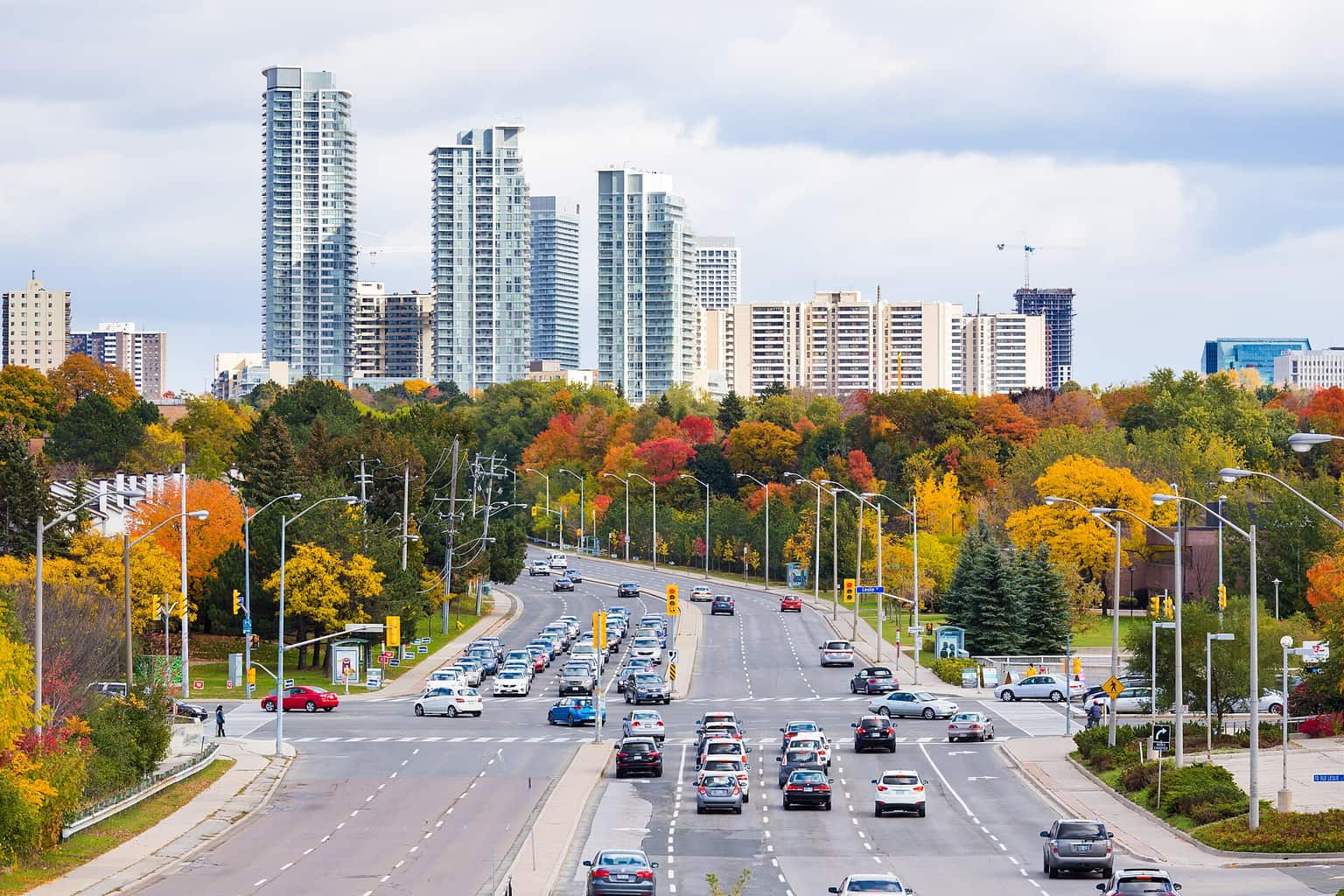
Near Zurich, Switzerland has just launched its first driverless taxi service, in Furttal. For researchers, the question has moved on: it is no longer only whether a robotaxi can drive, but how a large fleet can be run across a city and its outskirts. At the Ecole polytechnique fédérale de Lausanne (EPFL), Kenan Zhang's team has built artificial intelligence methods that do precisely that. They coordinate large fleets of autonomous vehicles and decide where the cars wait and park when they carry no passenger.
Today's taxis gather where demand is densest: urban centers, airports and train stations. Suburban and sparsely populated areas are left with fewer options. The approach developed by Zhang's team replaces the independent choices of each car with a central system that continuously redistributes vehicles according to anticipated demand. Built with reinforcement learning and trained on real-world data from Shenzhen, China, the method is described in a series of studies published in Transportation Research. The findings suggest such networks could reduce waiting times, improve vehicle utilization and expand service availability, including in neighborhoods that conventional ride-hailing operators such as Uber often overlook.
The same logic creates a side effect. As autonomous vehicles reduce the need for parking, they may spend more time circulating while they wait for passengers. Zhang proposes countermeasures: limits on driverless vehicles running empty, fees for unnecessary circulation, or dedicated waiting areas.
For suburban and rural residents, the gain would come first, since a fleet that moves cars toward demand can reach places that taxis skip today. For cities, the key is integration. Zhang argues that robotaxis should extend public transportation rather than pull passengers away from it, because public transport remains more efficient in vehicle space, road capacity and energy consumption. Cheaper rides could draw riders from buses and trains, and the long-term cost of large-scale robotaxi services remains uncertain. Adoption will be uneven. Switzerland, with its dense public transport network, may see limited demand, especially in city centers, while major cities in the United States and China could see widespread deployment within the next decade, according to Zhang. She expects a cascading effect: once one city shows that robotaxis operate safely and efficiently, others with similar needs are likely to follow.
The next step, the researchers say, is to make these computational models hold up in real cities, where travel demand, infrastructure and human behavior are far more complex than in simulations.
Sources — read the originals(Paris time)
Read next
Comments
Loading the thread…
Sign in to leave a comment. Sign in