Baidu's Apollo World tests robotaxi driving in simulated traffic
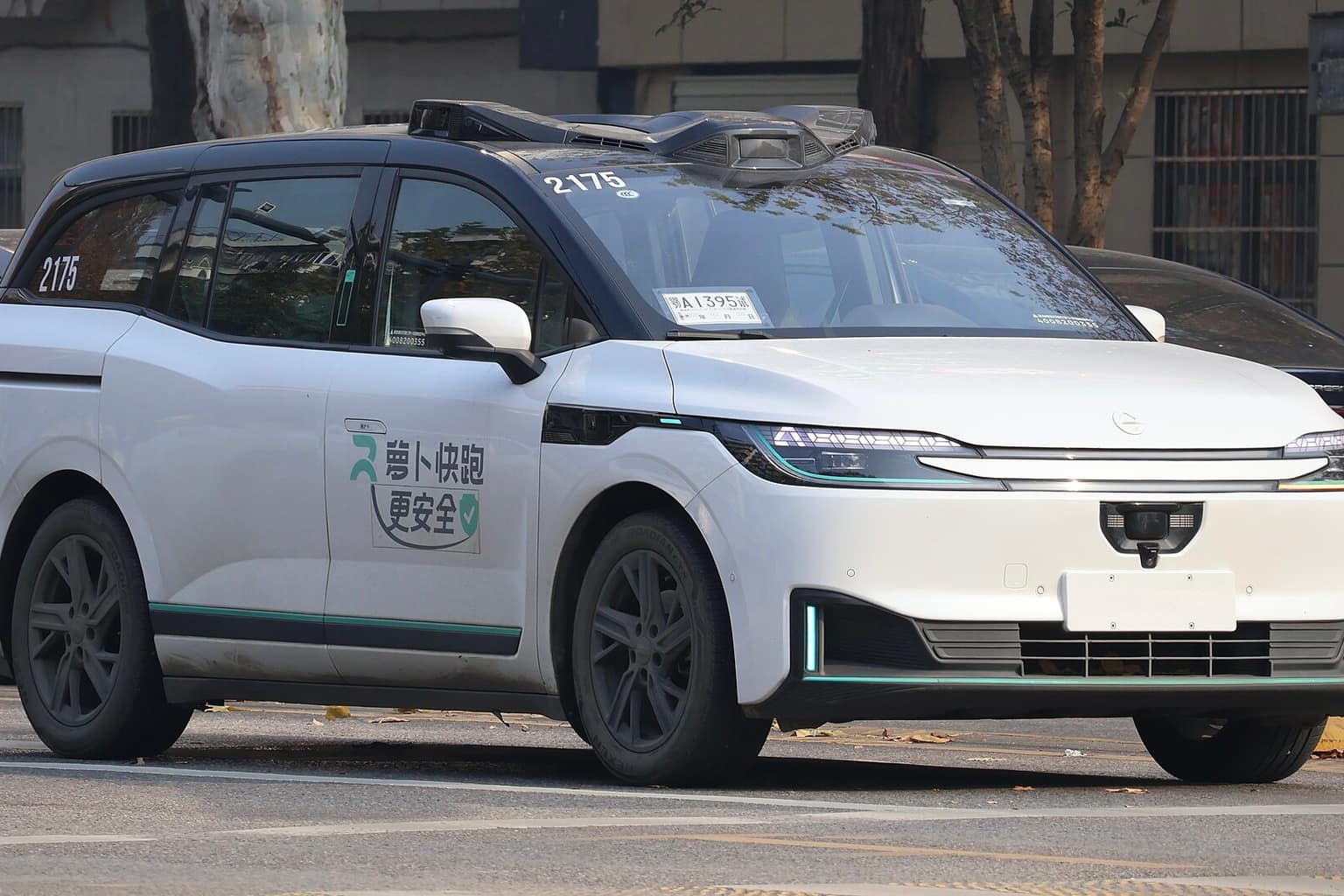
Somewhere in a simulated city, a robotaxi slows down, changes lanes or gives way, and the traffic around it reacts. Baidu has unveiled Apollo World, a world model that uses AI to create interactive virtual traffic on which autonomous driving systems can train and validate their strategies. In a single day, the virtual road tests it runs add up to about three years of continuous driving by a real test vehicle with a safety driver, according to the company.
For years, testing a self-driving system meant sending cars onto real roads, kilometre after kilometre, and waiting for the rare situation that matters. Baidu's robotaxi service, Apollo Go, has already logged more than 350 million kilometers cumulatively, including more than 240 million fully driverless kilometers, according to its second-quarter earnings report published in August. The service spans 28 cities worldwide.
Apollo World works differently. Vehicles, pedestrians and other road users are AI agents that make their own decisions instead of following fixed scripts. When the driverless car slows, changes lanes or yields, the others adjust, and the model generates camera images and LiDAR point clouds, a laser-based 3D map of the surroundings, in real time. The driving system decides, the model updates the traffic, and the loop starts again. Wang Liang, chief architect of Baidu's Intelligent Driving Group, argues that world models should reproduce physical laws and behavioral causality rather than merely generate realistic images. Baidu proposes a “2+3” framework to evaluate them, with causality and interactivity as basic requirements.
The model already serves Apollo Go's global testing and validation. Baidu's stated next step is to let driverless vehicles complete full trips in virtual cities, from accepting bookings and picking up passengers to dropping them off, before they enter new markets. Apollo Go has begun open-road testing in London with Uber and Lyft and has launched fully driverless commercial operations in Dubai. By February 2026, it had delivered over 20 million rides worldwide, cumulatively.
Baidu has not said how much Apollo World reduces testing costs or what it does for road safety. The company presents the tool as a way to cut both, but the figures are not in its announcement, and updated driving systems still have to prove themselves on real roads.
Sources — read the originals(Paris time)
Read next
Comments
Loading the thread…
Sign in to leave a comment. Sign in