AI discharge summaries preferred by doctors in 95% of cases
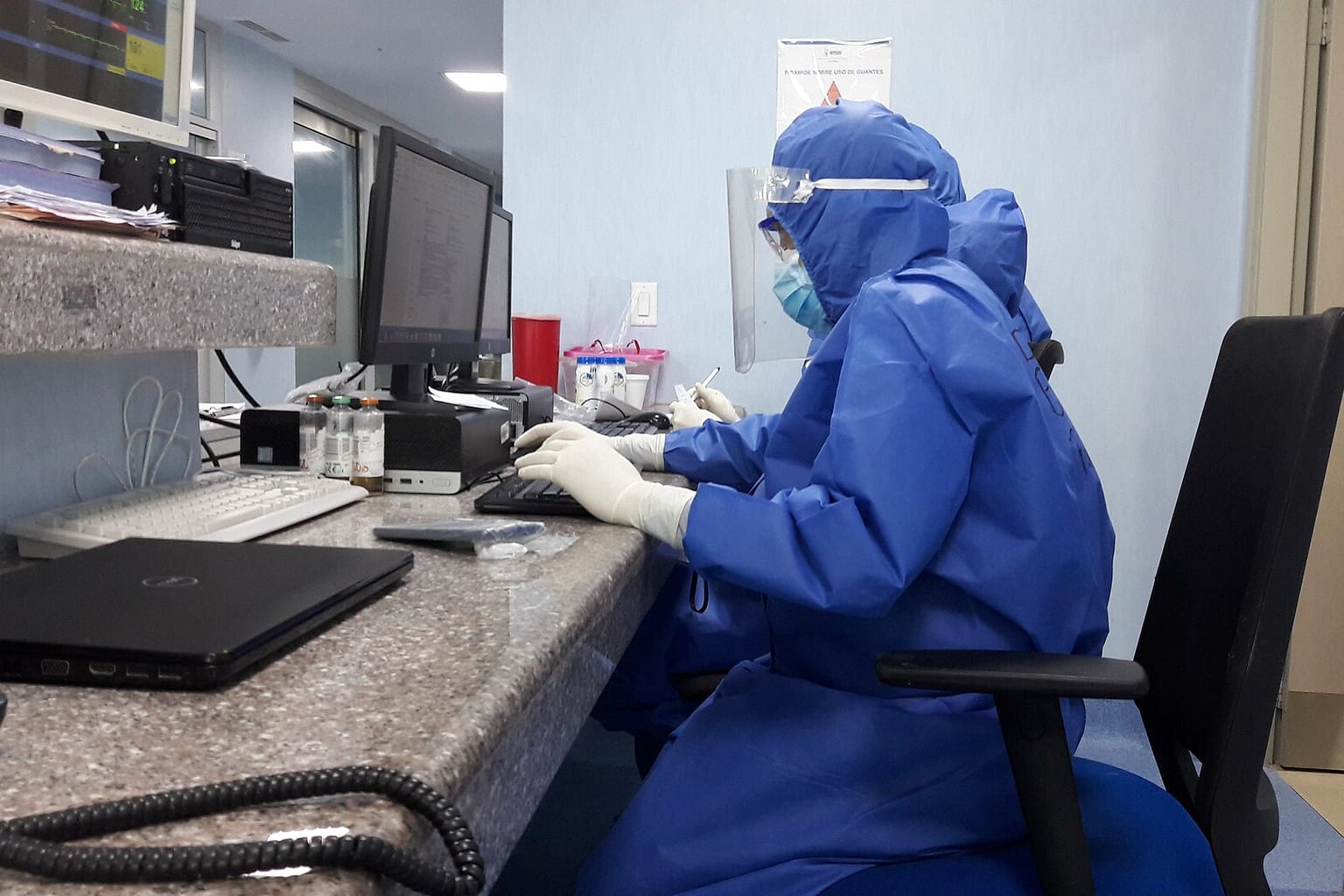
When a patient leaves hospital, someone has to write down what happened: the treatment, the medication changes, what is still unresolved, and what comes next. After a stay of seven to 21 days, that means sorting through a large volume of medical records. At Stony Brook University Hospital, a team led by Fusheng Wang and Rachel Wong tested whether a large language model could draft that document, and the physicians who reviewed the results preferred the AI version in 95% of the evaluated hospitalizations.
The model, a large language model or LLM, is a form of AI that can process and generate text. Here it organized each patient's medical records and other information into the core content of a discharge summary, a task that took a few minutes. The approach was built around what physicians need once a patient is discharged. The study focused on longer, complex stays, where the volume of information is greatest and where documentation weighs most on clinicians' time.
The comparison involved 60 internal medicine hospitalizations, each assessed in pairs by hospitalists and primary care physicians. The AI-generated summaries scored higher on overall quality, readability, accuracy and completeness, and reviewers identified fewer missing clinical details than in the human-written versions. Primary care physicians also found the AI summaries easier to understand, easier to explain to patients and caregivers, and more useful for follow-up care.
The limits are clear. Both types of summary contained errors, and reviewers found no statistically significant difference in the estimated severity or likelihood of harm associated with them. The authors stress that physician review and verification remain essential before any AI-generated draft is used in a patient record. The study also did not measure whether the tool saves physicians time in practice, which is one of the questions the team plans to address.
For primary care physicians who take over a patient's care, a clearer summary means a clearer roadmap from the first visit onward. For hospital physicians, the appeal is less time spent on documentation, though that gain remains unmeasured. The next steps, according to Fusheng Wang, are to keep developing the model for complex discharge summaries, with a focus on accuracy, safety, actual time savings and how the tool would fit into clinical workflows. A pilot study to test it in everyday practice at Stony Brook Medicine is being considered, and no date has been announced.
Sources — read the originals(Paris time)
Read next
Comments
Loading the thread…
Sign in to leave a comment. Sign in