AI predicts cavity risk from wealth and water access in Brazil
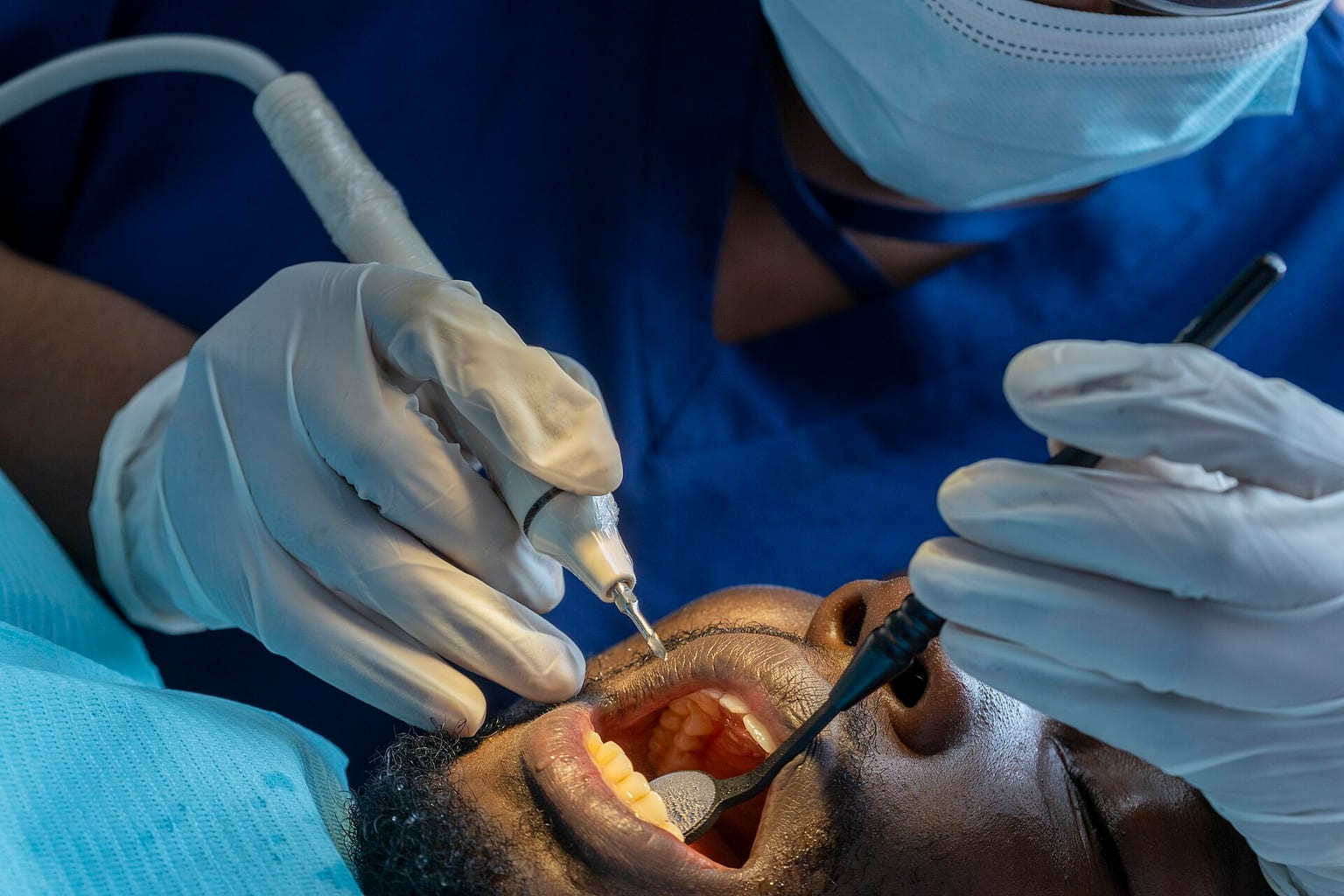
Wealth, the number of people sharing a home, whether the tap water is fluoridated: these are facts a household survey records, not a dentist's mirror. A team led by Fernando Neves Hugo, chair of the department of epidemiology and health promotion at NYU College of Dentistry, has fed them into artificial intelligence models to pick out the groups most likely to have cavities.
Cavities are the most common health condition in the world, affecting billions of people of every age. Many of their causes sit at the population level: access to dental care, diet and sugar, water sources. That is why the team worked from a national survey rather than from individual clinical files. The data came from the Brazilian Oral Health Survey, coordinated by the Brazilian Ministry of Health, and covered 23,726 people in 2023, children, adolescents and adults alike. Before any AI was applied, a traditional analysis had already pointed to wealth and household density as the strongest predictors of cavity risk. Private dental insurance and a recent dental visit were protective. Water source also stood out: in one analysis, 62.5% of 12-year-olds without access to fluoridated water had cavities, against 35.5% of those with it.
The machine-learning step then tested several algorithms on the same data. The researchers report that the models could predict cavity risk and severity by age group, by weighing how much each factor contributed. Hugo describes the approach as a “high-resolution sensor” able to flag individuals whose profiles signal a higher risk that community averages would hide. The wording matters, though. The survey's clinical exams record cavities already present, and the paper's framing is about population clusters, so the sharper claim about individuals is Hugo's rather than a clinical test's. A methodological paper on AI prognostic models for dental caries argues that such tools should support the choices of clinicians and patients, not replace clinical judgment.
The limits are clear in the coverage. Neither the press release nor the articles give a precision score for the models, so the strength of the prediction cannot yet be measured from public material. The authors say the findings may carry over to other middle-income countries, but local factors, including access to dental care and benefits, would likely change which variables explain risk. One aggregator headlined the study as predicting who will develop cavities “before they start”, which goes beyond what the survey's data can show. Context helps: a comparative analysis of Brazil's last three national surveys found caries declining among 12-year-olds, and earlier machine-learning studies in adults and adolescents had already improved risk classification.
For health planners, the practical gain is targeting. Hugo argues that public health must be accountable for the resources it spends, and that a more targeted approach gets “more bang for our buck”. In principle, the first beneficiaries would be health authorities deciding where to send preventive care, starting with the groups the model flags. No timetable has been given for any health service to use it. The next step is already set: the team is preparing the same analysis on U.S. data from the National Health and Nutrition Examination Survey, to build prevention strategies tailored to each country.
Sources — read the originals(Paris time)
Pages consulted while writing
Read next
Comments
Loading the thread…
Sign in to leave a comment. Sign in