Free software spots hidden cavity risk in a common opioid drug
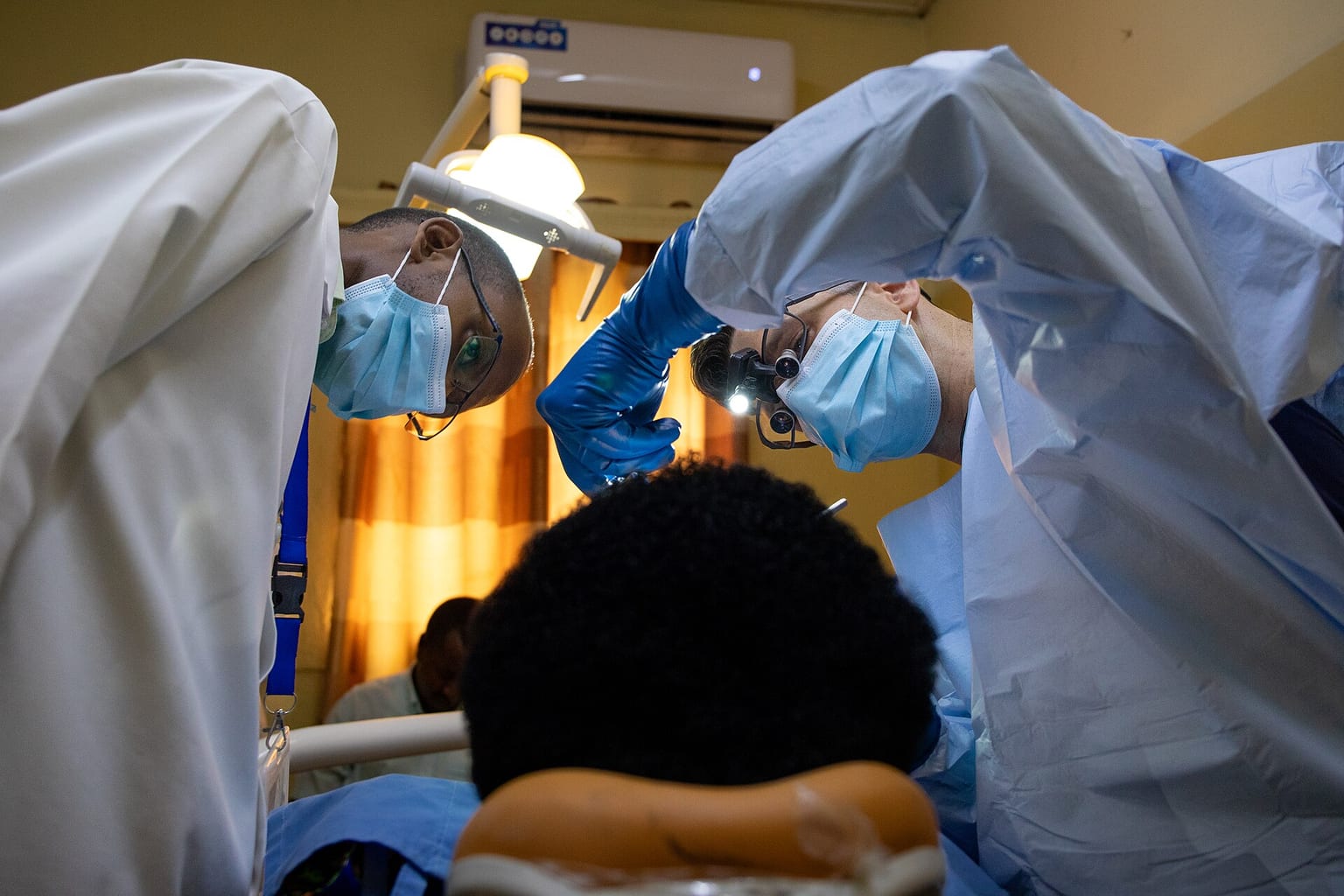
In 2022, the US Food and Drug Administration warned that buprenorphine, a medicine for opioid use disorder that dissolves under the tongue, was associated with severe tooth decay. At the University of Florida, Kyle Kasparian, a candidate in the combined dental and PhD program, asked how scientists could measure the mouth conditions that put teeth at risk. That work produced GatorpH, a free, open-source software tool that analyzes how the acidity of the mouth changes over time and estimates the factors linked to cavity risk.
Decay starts in plaque, the sticky film that holds bacteria and traps their acid against tooth enamel. Saliva normally neutralizes that acid, but plaque limits its reach, so acidity can stay harmful long after the rest of the mouth has recovered. Measuring it over time is the hard part. The most detailed method, continuous monitoring, has patients wear custom sensor mouthpieces for several days while plaque builds up undisturbed by brushing. It is costly and slow, and Kasparian says few studies have used it since the 2000s. The cheaper alternative, sparse sampling, takes a reading every few minutes, and it can make a medicine look harmless on paper while it still causes decay in real life.
GatorpH takes a different path. It reconstructs the curved trajectory of acid levels rather than drawing straight lines between readings, and it accounts for bacterial acid production and saliva buffering. The breakthrough came from a meeting of expertise. Kasparian raised the problem with Omar Elashkar, a College of Pharmacy graduate student with a background in quantitative modeling and computer science, in the lab of his mentor Abhisheak Sharma, associate chair of the pharmaceutics department. “They complemented each other,” Sharma said. “None of them could have done this alone.”
For Kasparian, the immediate use is a pilot cross-sectional study of oral pH in patients taking buprenorphine under the tongue. The larger aim is a reformulated version that keeps the drug's therapeutic benefits without causing cavities. Kasparian says that matters because more than 15 million prescriptions for the medication are written each year. Sharma argues that publicly funded work should be public, and he says the tool can be used by anyone running this kind of study around the world.
The software does not change any prescription yet. The reformulation is the team's objective, and no date has been given for it. What comes next is the pilot study in patients, then the reformulation work the team has set as its goal.
Sources — read the originals(Paris time)
Pages consulted while writing
Read next
Comments
Loading the thread…
Sign in to leave a comment. Sign in