AI sorts crow calls by bird, but translating animals is still research
Somewhere under the ocean, a hydrophone, an underwater microphone, keeps recording humpback whale song. Fifty years of devices like it, plus wearable recorders small enough to follow a bat, have left researchers with heaps of recordings and a single hard question: what do the animals actually say to each other?
Answering it is slow work. A prairie dog gives one series of yips when a coyote approaches and a different series when a hawk is nearby, so a sound means little until it is matched with what was happening around the animal. That matching is painstaking, especially for species that are hard to watch, like deep-diving whales or mole rats living underground. Communication also runs through channels people cannot easily perceive: visual cues, touch, pheromones, or a mix of signals. And without a multispecies Rosetta stone, a dictionary linking two languages, it is hard to know whether any translation is correct.
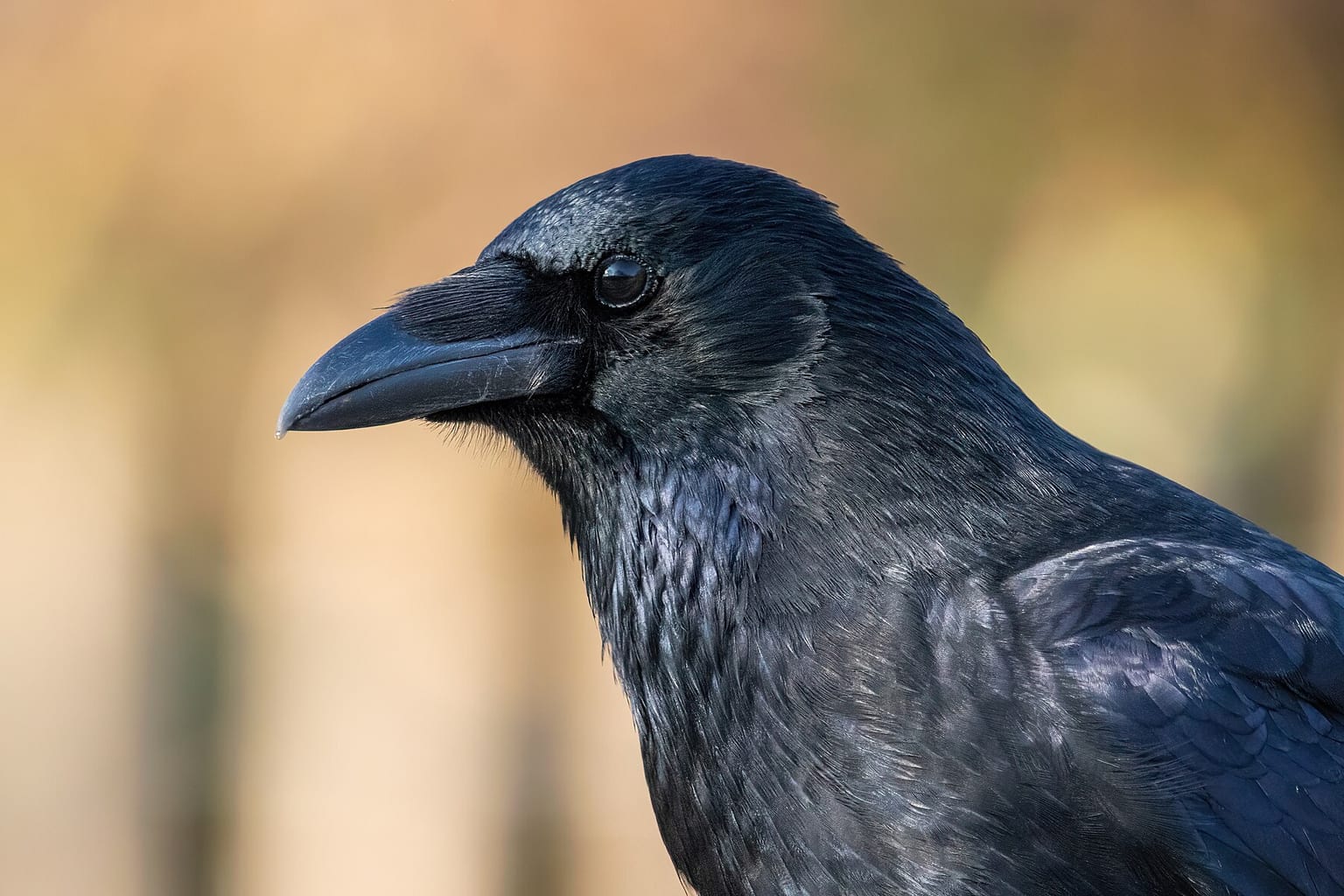
What has changed in the last decade is the sorting. Advances in AI can now detect different calls, separate which sounds belong to which animal, and spot patterns across recordings. The Earth Species Project, a nonprofit founded in 2018 to decode animal communication, used machine learning to detect the vocalizations of carrion crows and to determine which bird made each call. Sara Keen, one of the project's behavioral ecologists, points out that large language models such as Claude and ChatGPT excel at finding relationships between words. The project hopes its own model, NatureLM, trained on human speech, music and animal sounds, will be able to interpret the vocalizations of many species. That remains a hypothesis: the model has not yet been shown to translate anything.
The limits are real. Yovel's concern is that models may treat acoustically similar sounds as equivalent even when they carry different meanings. Con Slobodchikoff, founder of the company Zoolingua, which works on dog-to-human speech, takes a broader view and argues that many animals share enough evolutionary structure that we should be able to understand them. He is betting on that similarity, not on a proof. As for a two-way conversation, no date has been given, and it is not clear whether it will happen at all.
For now, the immediate gain is for researchers. Automatic sorting of calls by individual can cut the hours spent listening to recordings, and it makes it possible to study animals that are hard to observe, from deep-diving whales to subterranean mole rats. The translation ambition is years of work away, and its success depends on whether models can separate sounds that look alike from sounds that mean different things. The crow results show the first part is within reach.
Comments
Loading the thread…
Sign in to leave a comment. Sign in