Air bubbles under a new Chinese tanker cut its net energy use 5%
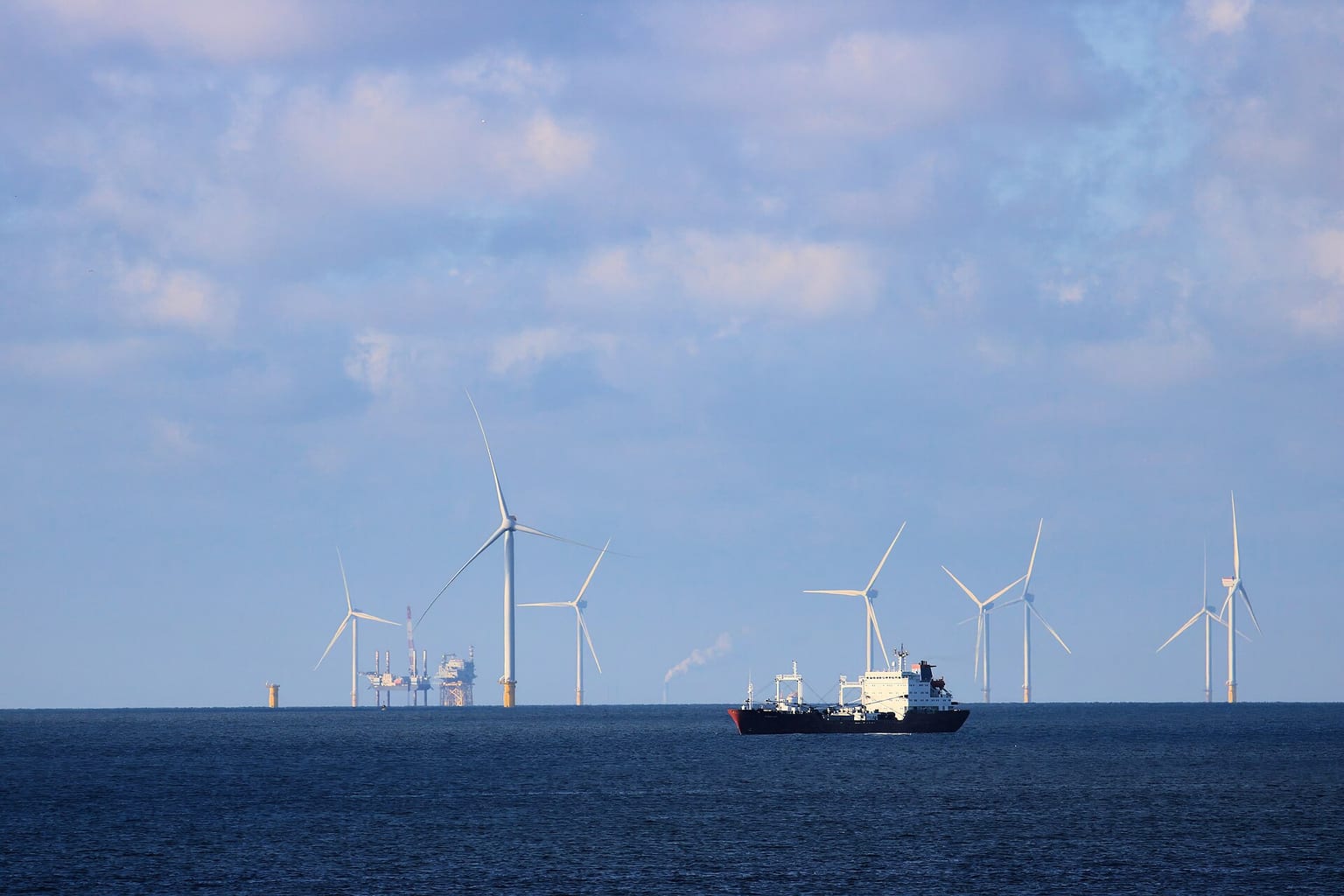
Under the hull of a newly built tanker, compressors push air into the seawater, and a thin film of microbubbles forms between steel and water. Over a five-month operational trial, the ship’s net energy consumption fell by about 5%, according to the Shanghai Merchant Ship Design and Research Institute, which developed the system. The vessel is a 50,000-tonne product and chemical tanker, and it has now entered service.
The idea borrows from supercavitating torpedoes, which travel inside a gas-filled cavity that greatly reduces their contact with water. The commercial version works differently. It does not create a large cavity around the ship; it injects compressed air to form a layer of microbubbles that changes the water flow close to the hull. With less frictional resistance to overcome, the ship needs less propulsion power to hold its speed.
The compressors consume electricity too, and the 5% figure is the net result after that cost is deducted. The institute has not published a detailed breakdown of the trial data. A headline figure of 1.1 tons of fuel a day circulated with the reports, but the institute’s own estimate is roughly one metric ton per day for a tanker of this size, based on a 5% reduction.
The current system is a second generation. An earlier version was tested aboard a 1,800-TEU feeder container ship in April 2022, and work on the upgrade began the following month. The engineers wanted to end the earlier design’s reliance on manual operation. The new version has an improved air-supply structure meant to cut compressor power use, an intelligent control system that adjusts the air volume to the ship’s speed and draught, and a digital tool that monitors energy efficiency in real time.
For shipping operators, the gain is a fuel saving that does not require changing the main propulsion system, and the institute says the system is compatible with ships powered by LNG, electricity, methanol and ammonia. Wider adoption, however, will depend on performance across different hull designs, operating conditions and routes. The next test is therefore less the tanker itself than the fleet that follows it.
Sources — read the originals(Paris time)
Read next
Comments
Loading the thread…
Sign in to leave a comment. Sign in