Amazon Leo's first Vulcan launch set for Nov. 13 with 40 satellites
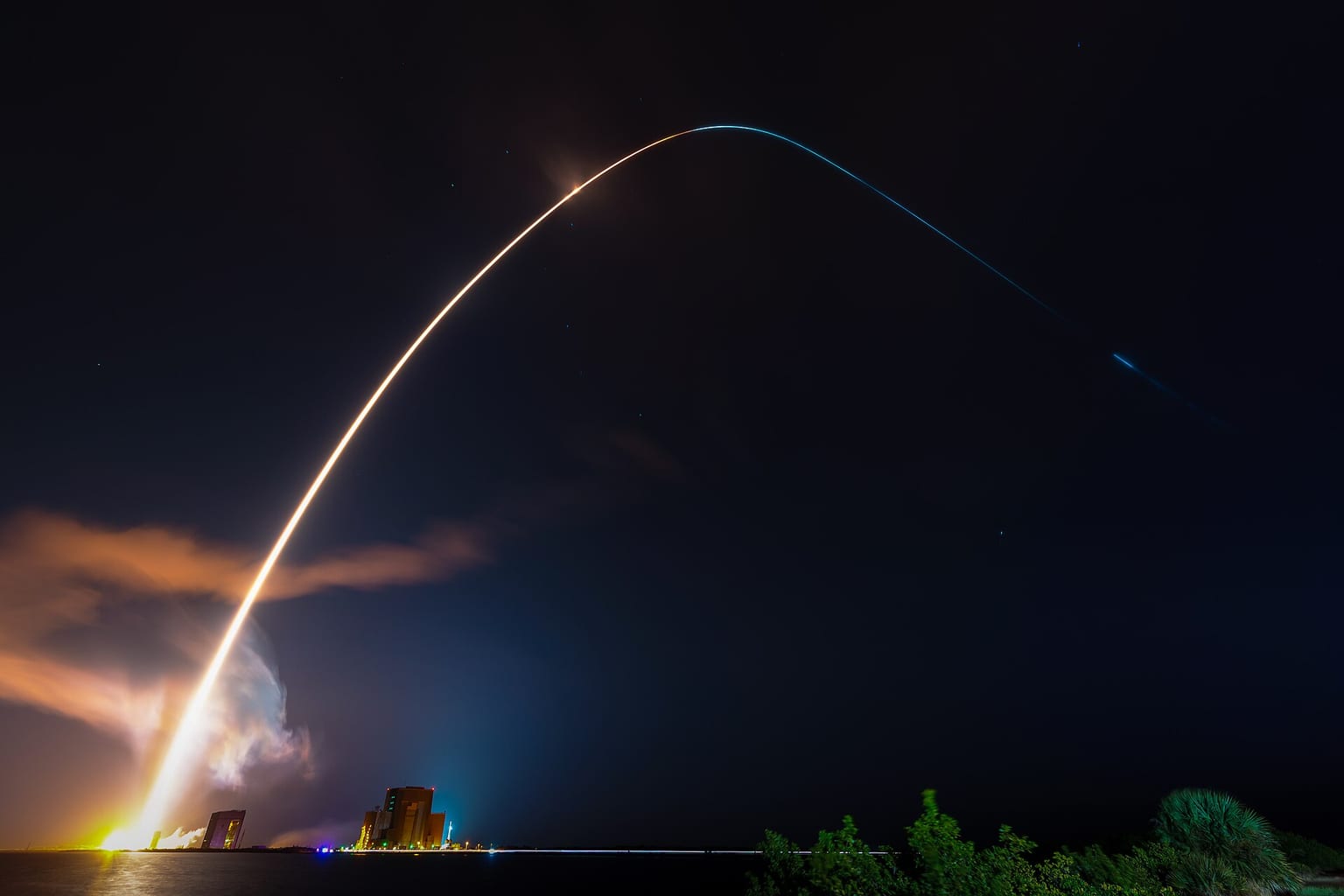
On a pad at Cape Canaveral Space Force Station, in Florida, Amazon has 40 satellites booked on a single rocket. The flight, Leo Vulcan 1 (LV-01), is targeted for Friday, November 13, from Space Launch Complex 41. It is the first Vulcan mission flown exclusively for Amazon's Leo internet network, and the first of 38 launches Amazon has contracted with United Launch Alliance (ULA), the company that flies the rocket.
Vulcan has been on the ground for roughly nine months. Its previous launch, the USSF-87 mission, flew on February 12, and ULA has not named a single root cause for the stand-down or published nozzle test data. Trade coverage points to upgraded solid rocket booster nozzles, one site describing reinforced thermal nozzles. ULA confirmed the November 13 target on October 28, pending approval from the Eastern Range, the authority that clears launches from Cape Canaveral. Amazon confirmed the same date in its own launch update.
The rocket flies in its six-booster configuration, the first time Vulcan flies in that six-booster layout, according to Amazon. Its upper stage, the Centaur V, has been shortened to meet Amazon's orbital requirements. That is where the risk sits: Amazon has not said what happens if a new configuration underperforms, and PPC Land notes the mission debuts both a shortened upper stage and a new booster setup. Amazon says the Vulcan brings more rocket capacity and more regular launches, which the network needs to reach its users.
Vulcan is meant to carry more than 1,500 satellites across its 38 missions, close to half of the first-generation constellation; PPC Land's arithmetic (38 × 40) assumes roughly today's payload on every flight. Amazon completed its 1,000th satellite in early September, and Orbital Radar counted 396 satellites in orbit on 9 November. To keep pace, ULA is building a second processing building, VIF-A, alongside a mobile launch platform financed by Amazon, so that two Vulcan rockets can be prepared at once. The LV-02 rocket is being assembled in the existing VIF-G building and should follow LV-01 within weeks.
For customers, the stake is timing. Amazon expects preliminary service offerings in late 2026, and Orbital Radar reports an initial service launch before year-end, after a missed regulatory deployment milestone. The next flight on the list is Ariane 6's LE-04, which will carry 36 satellites from Kourou, French Guiana, no earlier than November 23. Behind it, Amazon has more than 100 launches planned to complete its first-generation network.
Sources — read the originals(Paris time)
Pages consulted while writing
Read next
Comments
Loading the thread…
Sign in to leave a comment. Sign in