Artemis III to dock Orion with two lander test versions in 2027
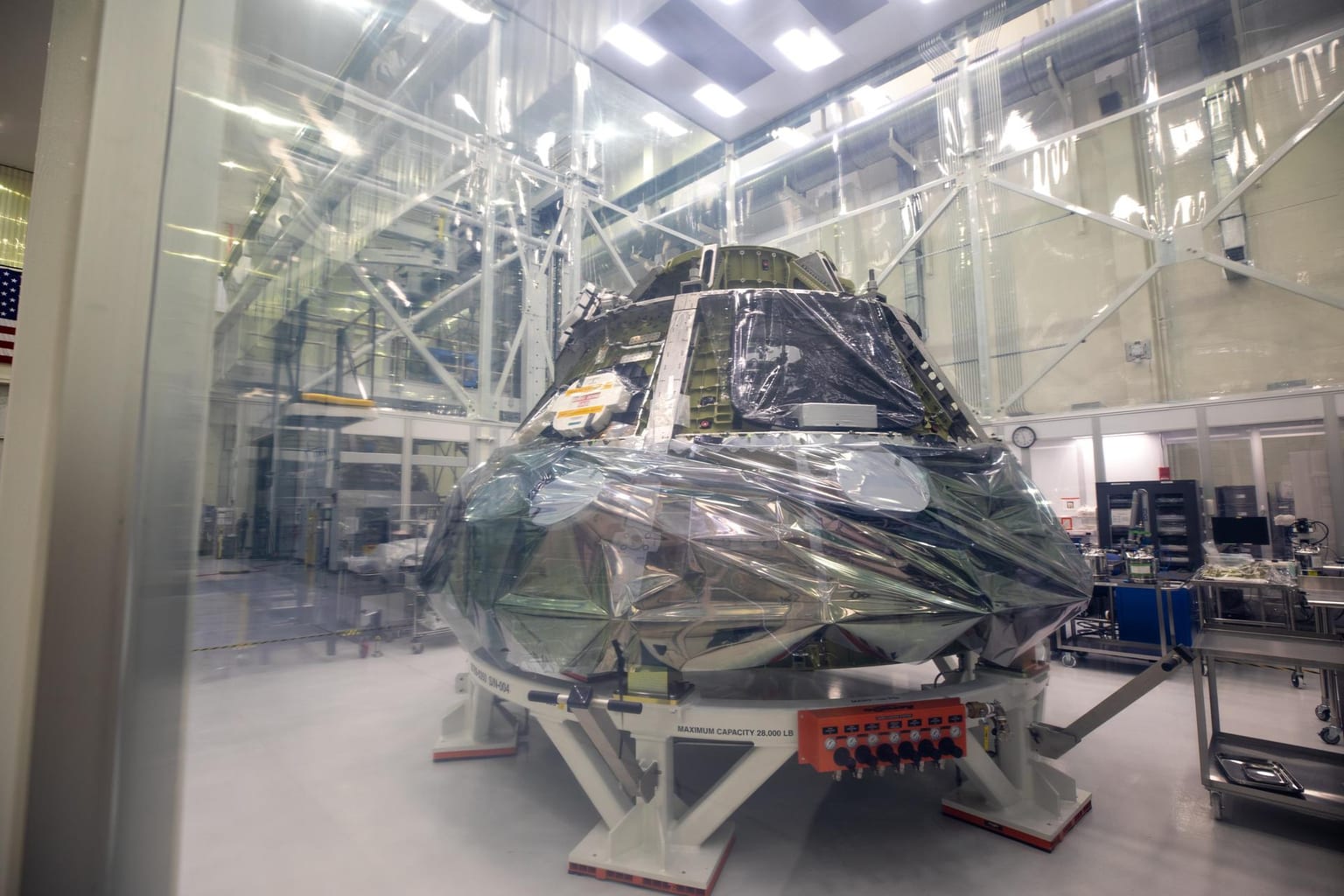
Artemis III is built as a timed sequence. First, Blue Origin launches a test version of its Blue Moon Mark 2 lander into a circular orbit about 273 miles above Earth, where it can stay for up to 30 days. Only days later, NASA plans to launch Orion on top of the SLS rocket from Kennedy Space Center in Florida. “We're launching three spacecraft on three different rockets and testing how they operate together — something NASA has never attempted,” said Jeremy Parsons, NASA's Artemis program manager.
Before this, Artemis flights used only SLS and Orion. Here, the four astronauts, Randy Bresnik, Frank Rubio, Andre Douglas and ESA's Luca Parmitano, will spend about two days aboard the Blue Moon test vehicle once it is docked. They will open the hatch, test the cabin controls and life-support systems, and check that the vehicle holds the proper atmosphere and pressure. NASA says that vehicle carries many of the avionics, software, flight-control and life-support functions planned for future lunar missions, so the flight offers the first opportunity to test them together as an integrated vehicle in orbit.
The second docking uses a Starship Version 3 test vehicle launched from Florida. It flies in a lower orbit, 206 nautical miles up, and carries an extra docking system at its front end. Orion will rendezvous and dock with it in a test expected to last up to two hours. No crew will enter Starship. For the Moon program, the gain is practical: NASA says the flight will show how commercial landers and Orion behave as a docked system, data that cannot be gathered on the ground.
The 2028 landing near the Moon's South Pole rests on these tests. Both companies must complete an uncrewed demonstration with their crewed landers before the crewed missions, and NASA will certify the landers' systems beforehand. The orbit problem has a longer history: Orion's service module lacks the propulsion to reach low lunar orbit and return to Earth, a gap that NASA had worked around for years. NASA now says it is working with United Launch Alliance on an extended Centaur V upper stage that, combined with the SLS core stage, would allow Orion to reach that orbit. Flying a few hundred kilometers above the Moon would cut the propellant the lander needs to descend and return, and NASA's Isaacman said that the change would make the landers' work substantially easier.
What comes next is the uncrewed demonstrations, which both companies must complete before any crew flies to the surface. SpaceX plans to show its propellant-transfer approach during its uncrewed mission, and Blue Origin will fly the full mission profile with its transfer stages before the crewed landing.
Sources — read the originals(Paris time)
Read next
Comments
Loading the thread…
Sign in to leave a comment. Sign in