Biggest electric dump trucks start hauling earth for a UK tunnel
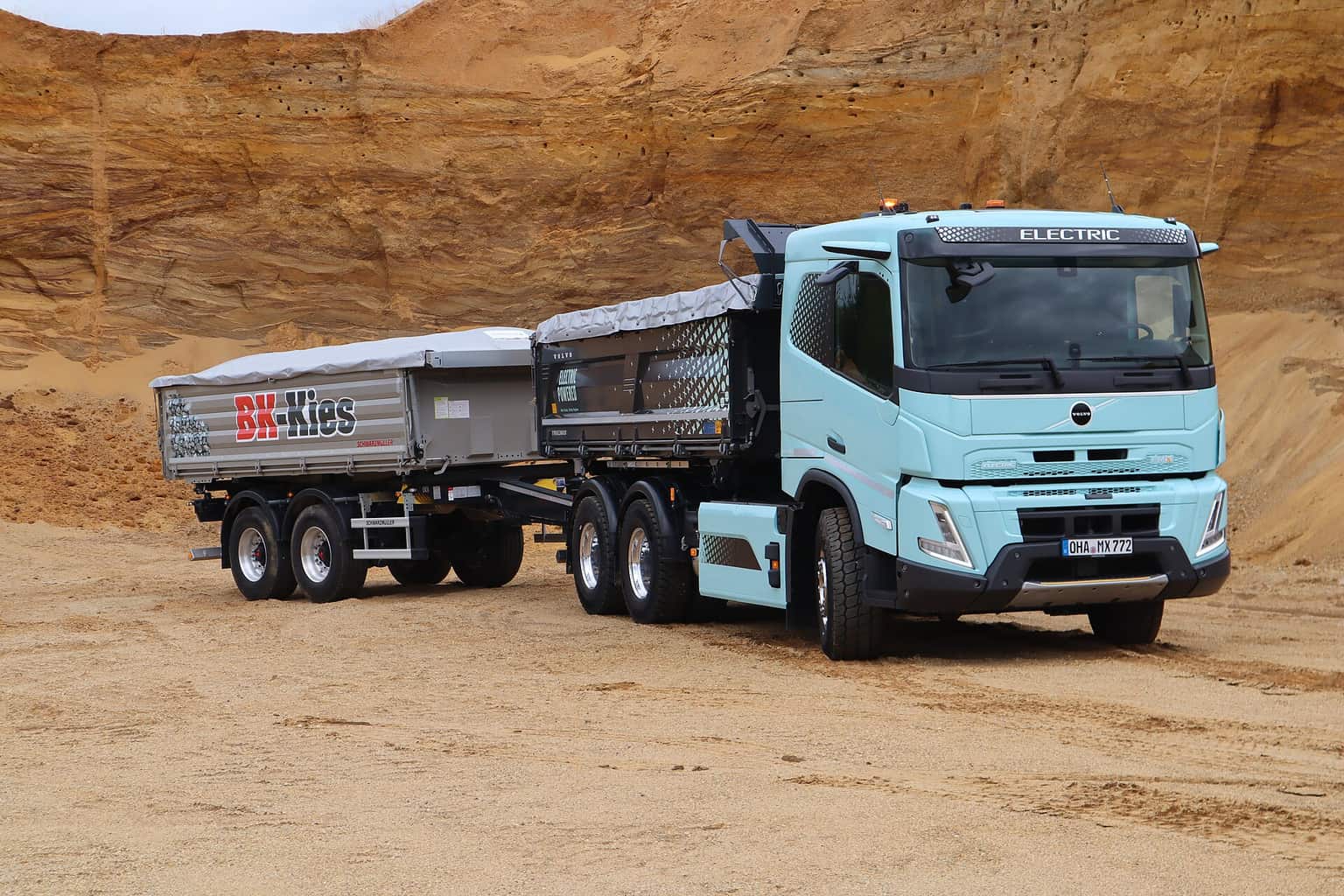
On the Thames marshes near East Tilbury, in Essex, four battery-powered trucks have started hauling earth for the Lower Thames Crossing (LTC), a new road link under the river east of London. Each one can carry up to 39 tonnes of gravel, sand or stone in a single load, doing the same heavy-duty work as diesel models.
The trucks are building the foundations and structures for the road and for the entrance to the tunnel. National Highways expects the tunnel drive to begin in autumn 2028 and the completed crossing to open in the early to mid-2030s.
An articulated dump truck is a hauler that bends in the middle to steer over rough ground. Volvo Construction Equipment calls its A40 Electric the largest electric articulated hauler in production, and says that using it here is a first for machines of this size. The battery takes the place of the diesel engine, and it has to be recharged. On this site the power comes from hydrogen: a bank of hydrogen-fuelled generators from GeoPura, a company based in Newcastle upon Tyne, charges large removable battery packs. LTC says the electricity is generated on site from British-produced green hydrogen, meaning hydrogen made with renewable power.
Charging is fitted into the working day. BMJV, the joint venture that operates the trucks, says each one takes roughly 40 minutes to charge from 20% to 80%, and the manufacturer says they can run for up to six hours on a single charge, depending on the job. Electric machines have been arriving on British sites in smaller steps. In September 2026 in Brentwood, Essex, an overnight trial by Eurovia laid asphalt in two courses with a fully electric paver, without recharging it, and Eurovia described it as the first UK operational trial of a fully electric highway-class paver.
The electric trucks carry a higher purchase price than diesel or HVO models. BMJV says that bringing new technology into a project of this scale takes careful planning and close coordination, and its plant manager, Gautier Tortajada, says the teams have adapted the A40s to site operations and set charging routines during breaks and in the evening to suit their shifts.
For the people working on the site and living near it, the difference is in the air and the noise. Volvo says the trucks have no tailpipe emissions and produce less noise and vibration than diesel models. It also says lower energy and maintenance costs could make them cheaper to run over their working lives, despite the higher price. For the project, LTC says diesel has not been used on its worksites since 2025, and that its machines now run on hydrotreated vegetable oil (HVO, a biofuel made from plant oils), electricity and hydrogen. It is aiming for carbon-neutral construction.
“Going electric no longer means compromising on size, power or productivity,” said LTC programme director Shaun Pidcock, who says even the heaviest jobs can be done cleanly.
The evidence so far comes from the manufacturer and the project themselves: four trucks on one site. No figure for the price gap is given in the sources, and the running-cost savings are Volvo's estimate. The next milestone is the tunnel drive, which is scheduled to begin in autumn 2028, according to National Highways.
Sources — read the originals(Paris time)
Pages consulted while writing
Read next
Comments
Loading the thread…
Sign in to leave a comment. Sign in