Bismuth sulfide cuts solar charge loss by about 75%
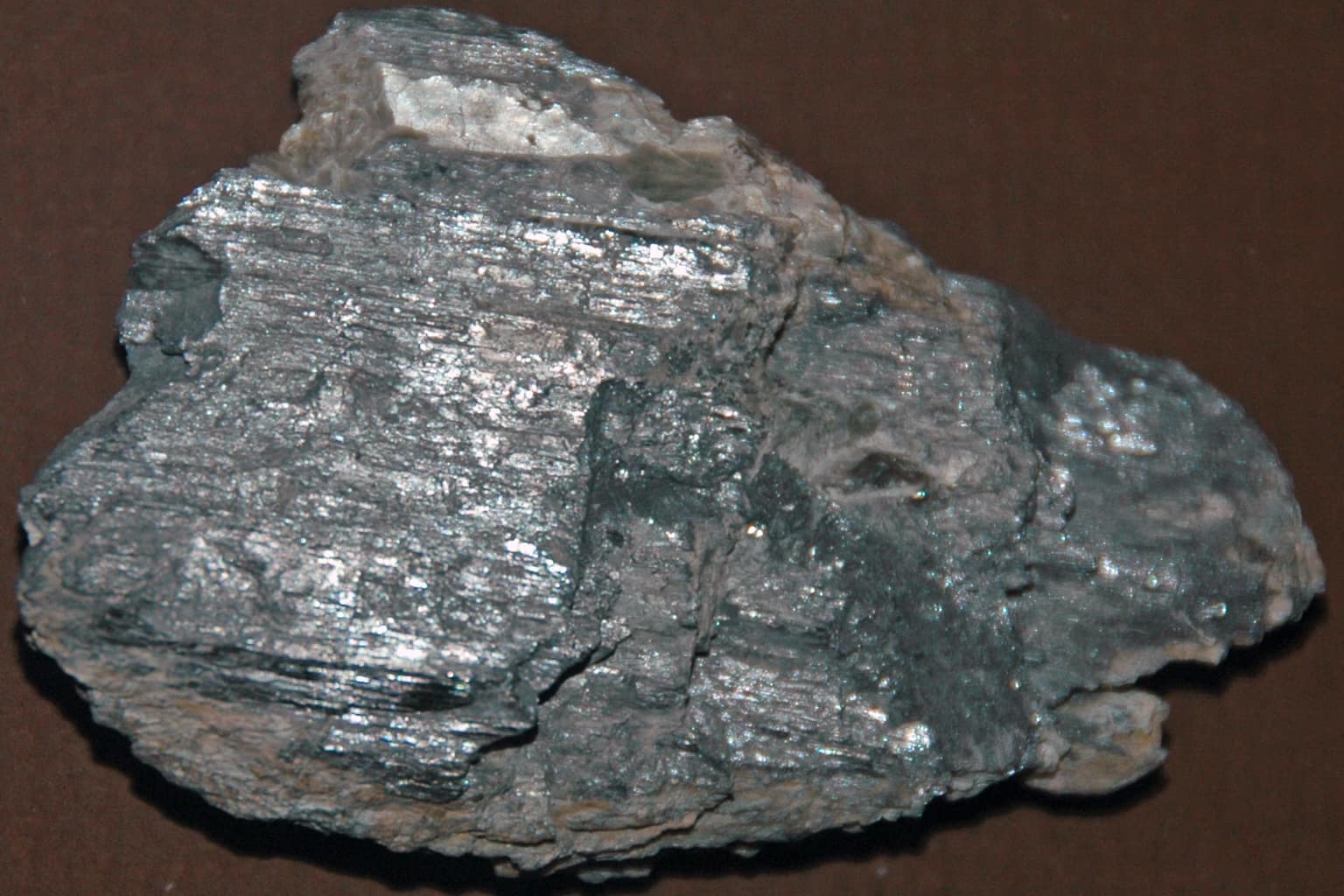
Inside a physics lab at the University of Oxford, a thin film of bismuth sulfide is hit with extremely short laser pulses, and the team times how quickly the charges it frees disappear. The answer is what the study is about: at room temperature, the charges vanish at a rate about 75% lower than in conventional materials that absorb light as strongly, according to the team's estimate. The result was published on 28 October in Nature.
The obstacle is an old one. In a solar cell, a semiconductor absorbs sunlight and frees electrons, leaving behind positively charged gaps called holes. The charges must be collected before an electron and a hole meet and cancel each other out, wasting the energy they carry. Until now, materials that absorb light more strongly also lost their charges more quickly, and this trade-off limited how efficiently solar cells could turn sunlight into electricity.
Bismuth sulfide escapes that pattern because of its energy levels. It absorbs light mainly through one strong route, but just below it lies a second, much weaker route through which charges are lost slowly. The two are so close in energy that charges spend much of their time in these lower states, which act as a temporary “reservoir” and slow their loss. The calculations by professor Marina Filip's group in the Department of Physics revealed this structure. The experiments, which used a laser-based technique called ultrafast terahertz spectroscopy to follow the charges from room temperature down to just above absolute zero, confirmed it. In most semiconductors, charges are lost faster as the material is cooled. In bismuth sulfide they were lost more slowly, as more charges settled into the reservoir. That behaviour matched the team's model of what physicists call a pseudo-direct semiconductor.
The limits are clear, and the authors state them. The measurements were made on thin films, and the 75% figure is the team's estimate, not a result measured in a finished device. The study demonstrates a physical mechanism rather than a working solar cell, and further work is needed to translate it into better panels. The authors give no timeline for that step.
For solar cell designers, the gain would come from charges that last longer, and so have a greater chance of being collected. That could reduce one of the basic energy losses in a solar cell without giving up strong light absorption. Longer-lived charges could also leave more time for the chemical reactions needed to turn sunlight into fuels. Herz presents the work as a roadmap: the team's calculations suggest that other materials with the same property could be found by screening materials databases, or engineered to have it. The next step the researchers point to is the one that turns this mechanism into a solar cell.
Sources — read the originals(Paris time)
Read next
Comments
Loading the thread…
Sign in to leave a comment. Sign in