Blocking viral RNA sites cuts coronavirus replication in lab cells
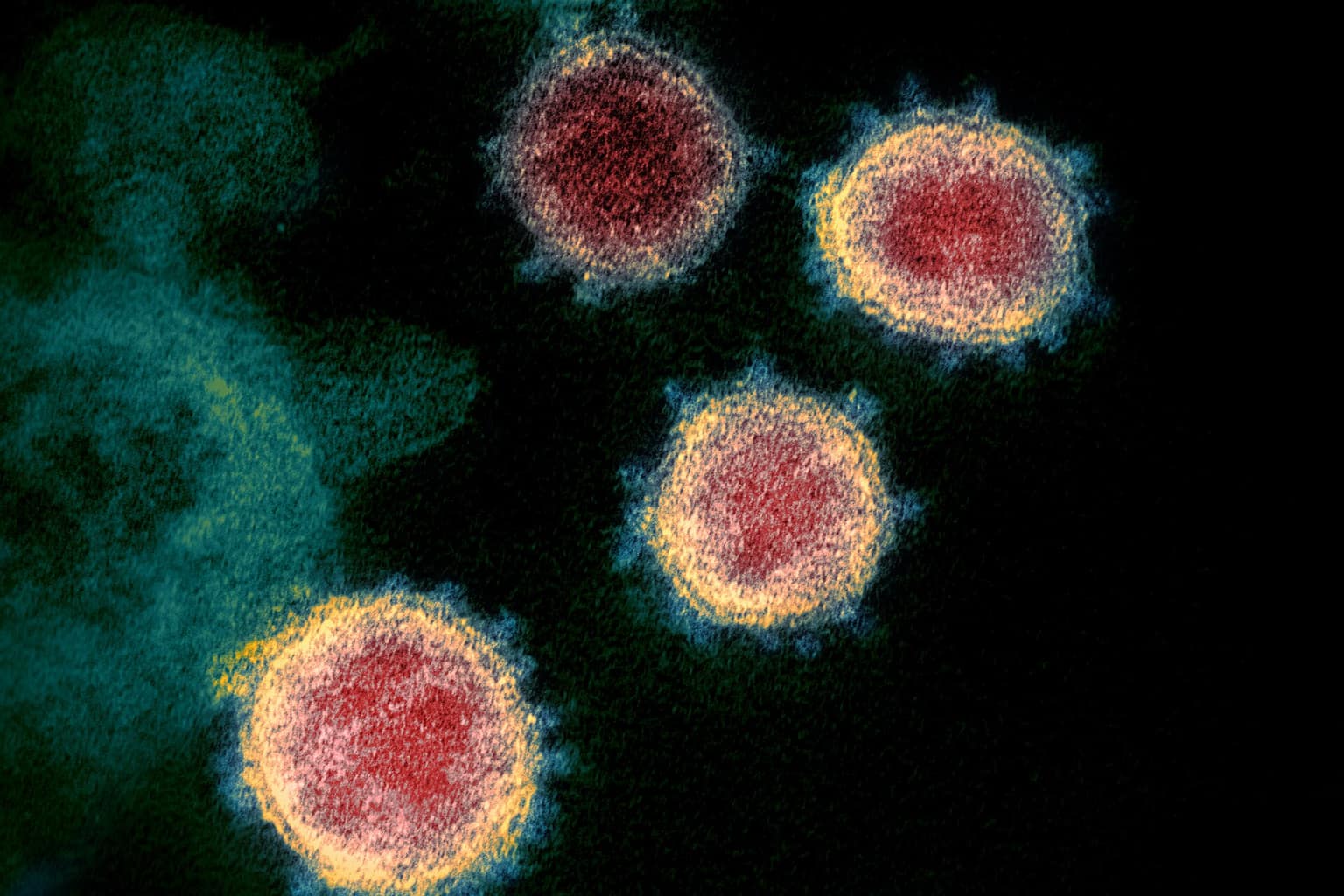
Coronaviruses carry their genetic code as a single RNA molecule, and to copy it they rely on a few viral proteins. A team led by Gene Yeo at the University of California San Diego School of Medicine and Joy Xiang at the University of California, Riverside School of Medicine has now mapped where three of those proteins grab the RNA of SARS-CoV-2, the virus behind COVID-19. The results, published in Nature Communications, identify specific RNA-binding sites for NSP8, NSP12 and the nucleocapsid protein N, sites that had not been described before.
To find them, the researchers used enhanced cross-linking and immunoprecipitation, or eCLIP, a technique that freezes proteins onto the RNA they touch and then reads out where those contacts happen. Instead of checking only the regions already suspected of mattering, the method scanned the whole genome, which is how the unexpected sites came to light. The team then used locked nucleic acids, short modified sequences designed to bind a specific stretch of RNA and block a protein from landing there. Blocking those sites significantly reduced viral replication in animal cells, and the team found similar results in human lung cells.
Some of the findings go beyond the drug question. One site sits in the 5′ untranslated region at the start of the viral genome, a complex RNA structure found in many coronaviruses whose exact role was poorly understood. Its contact with the N protein appears to regulate translation, the step where the cell reads RNA to build proteins. The researchers also found a previously unknown link between NSP12 and the RNA that encodes the viral protein NSP3, which suggests viral RNA does more than serve as a template. Current drugs act on the enzyme that copies the genome and on the proteins that process the virus's long protein chains; these new targets are the contact points between the RNA and those proteins.
The appeal lies in what the virus cannot easily change. Because some of these proteins and RNA sequences are conserved among coronaviruses, the researchers argue that treatments aimed at them could work against several coronaviruses and depend less on the emergence of individual variants. The study is an early proof of concept, and the researchers give no timeline for drugs built on it. It has been tested in cells, not in patients.
The next step, according to Xiang, is to understand these core interactions well enough that drug developers can design therapies that target them specifically. The broader aim, she adds, is to study the basic biology of these viruses rather than only reacting to outbreaks.
Sources — read the originals(Paris time)
Read next
Comments
Loading the thread…
Sign in to leave a comment. Sign in