In the lab, Raman 'barcodes' tell 20 SARS-CoV-2 variants apart
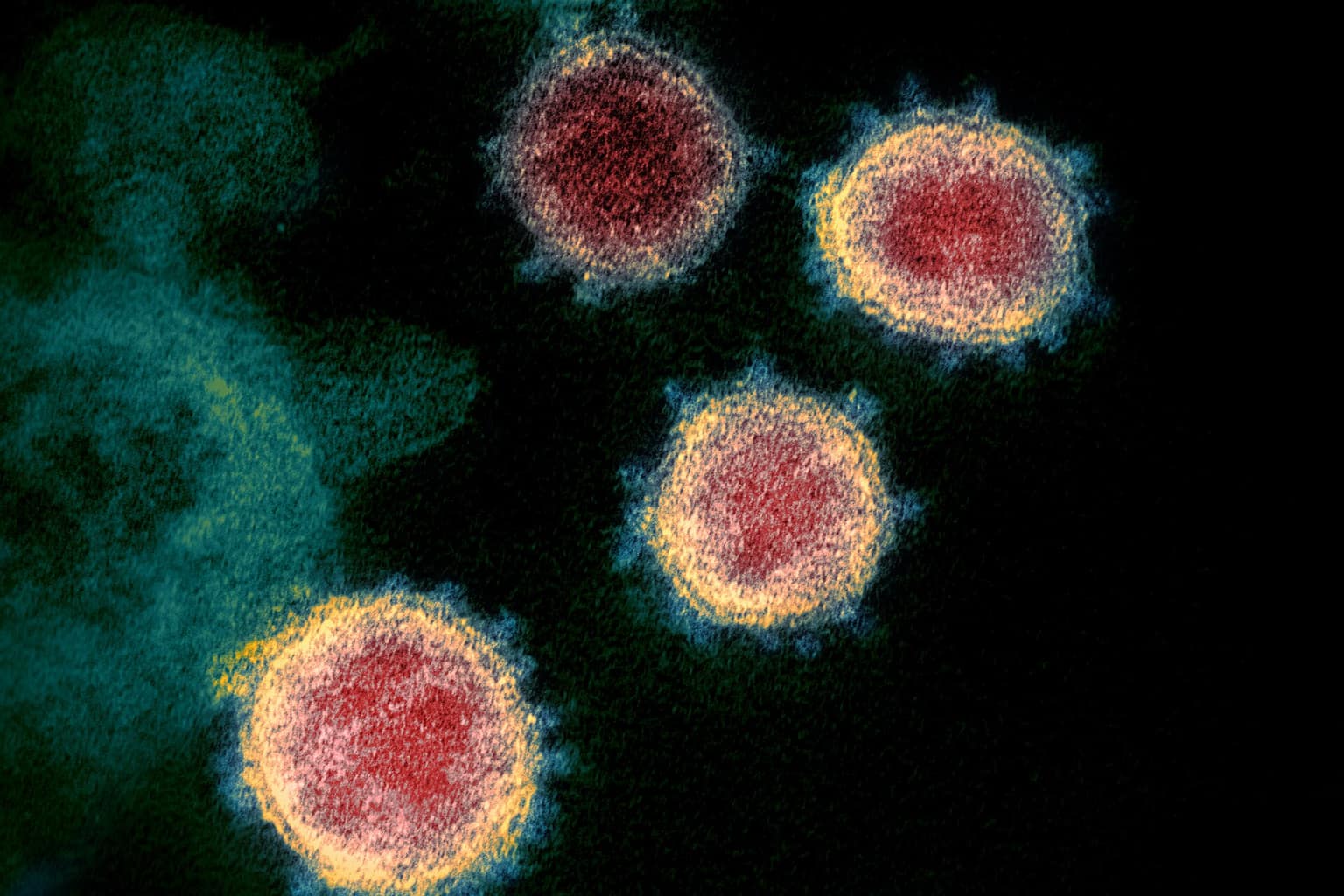
In a laboratory of the Biomedical Engineering Center at Kansai Medical University, in Japan, RNA was taken from 20 strains of SARS-CoV-2 and measured one by one with Raman spectroscopy. Each strain left a molecular signature of its own. The team, led by distinguished professor Giuseppe Pezzotti, published the results online in the journal Advanced Science on 30 September 2026.
Tracking a virus's variants has long meant reading its genetic code letter by letter. That is RNA sequencing, which gives the exact sequence of nucleotides but needs specialized instruments, lengthy sample processing and computational analysis. The researchers point out that viral RNA is more than a string of four bases: it folds into complex three-dimensional structures through interactions between neighboring nucleotides. These secondary structures can influence how RNA behaves, and they can differ even when the overall composition looks alike.
Raman spectroscopy captures the vibrations of molecules, and the team used it to read the backbone, ribose rings, phosphate links and nitrogenous bases of each RNA. After mathematical deconvolution, all the strains shared the same characteristic signals, but subtle and reproducible differences appeared between them. Those differences were not explained by the proportion of the four bases, since the genome sequences of the strains had highly similar base fractions. The team encoded the spectral features as Raman barcodes. Conventional principal component analysis gave only limited separation, while the barcodes differentiated all 20 strains and subvariants. The bands were linked to features of RNA secondary structure, such as hairpin formation and stem length.
The practical promise lies in speed. The researchers write that Raman analysis could characterize viral RNA without complete sequencing, which might allow rapid screening of emerging variants during outbreaks, epidemics or in critical-care settings where timely information matters most. Public health teams and clinicians would be the first to benefit if the method reaches them, and the authors frame it as an extra layer of information next to sequencing. Getting there requires further technological development, automation and integration with artificial intelligence, and the team gives no date for it.
The limits are as clear as the result. The 20 strains were studied as extracted RNA in the laboratory, not as clinical samples taken from patients. The team reports no cost, no device and no timeline, and no test is yet available to hospitals or laboratories.
Comments
Loading the thread…
Sign in to leave a comment. Sign in