Blood panel of 10 proteins separates ALS from healthy people
Early signs of ALS, such as muscle weakness, cramps and difficulty walking, often look like other conditions. Patients can wait nearly a year after symptoms begin before they receive a diagnosis, and no single test can definitively confirm the disease. A team at Emory University School of Medicine now reports a different route: a combination of blood proteins.
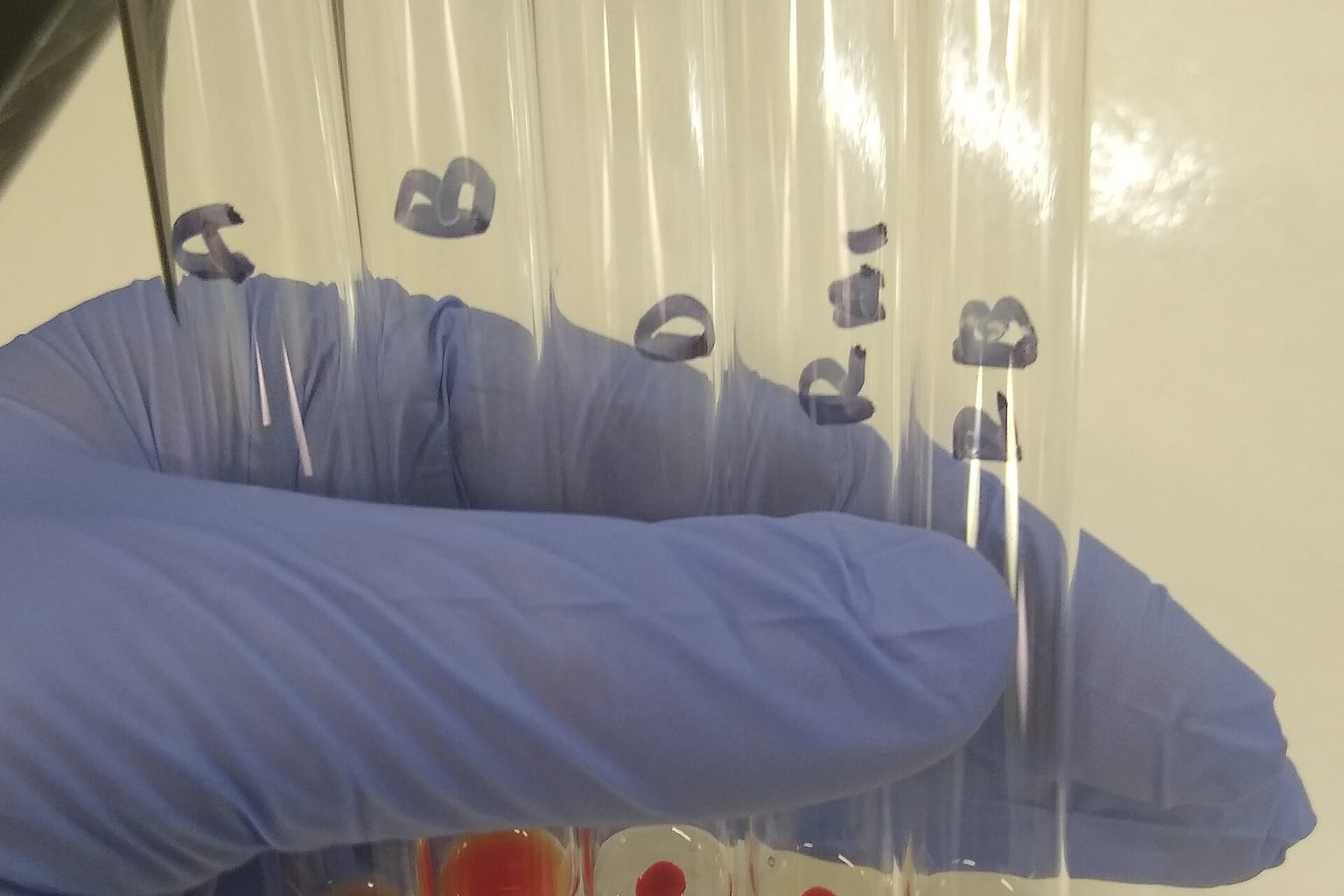
The researchers analyzed hundreds of proteins in blood samples from 632 people with ALS and 160 healthy individuals. They found 10 proteins that, evaluated together, separated the two groups with nearly 98% balanced accuracy. The method used, NULISA, can measure extremely small amounts of proteins in the blood, including those released when nerve cells are damaged. That sensitivity matters because some of the most useful ALS indicators, such as NfL, circulate at much lower levels than other common proteins.
The panel performed substantially better than NfL alone. NfL is a leading blood biomarker for ALS, but it can also rise in other neurological conditions, which limits what it can show on its own. According to the lead researchers, combining proteins linked to different aspects of the disease, including nerve-cell injury and inflammation, is what made the difference. Eleanor Thomas, co-principal investigator, put it simply: relying on a single biomarker does not capture the full picture.
For patients and families, a blood screen could help doctors decide who needs a further evaluation by a neurologist or a specialized ALS center. Jonathan Glass, director of the Emory ALS Center and also a co-principal investigator, said such a test could reduce unnecessary testing and get patients to specialized care and treatment sooner. Earlier recognition would also leave more time to consider treatment options and clinical trials.
The next step is clear, and it is not yet a clinic. The team says additional studies are needed to determine whether the panel can reliably distinguish ALS from other neurological and neuromuscular conditions with similar symptoms. Thomas said the goal is a practical tool that physicians can use, and that the work now is to shorten the diagnostic journey.
Sources — read the originals(Paris time)
Read next
Comments
Loading the thread…
Sign in to leave a comment. Sign in