Blood vessels can grow without VEGFR2, in lab study
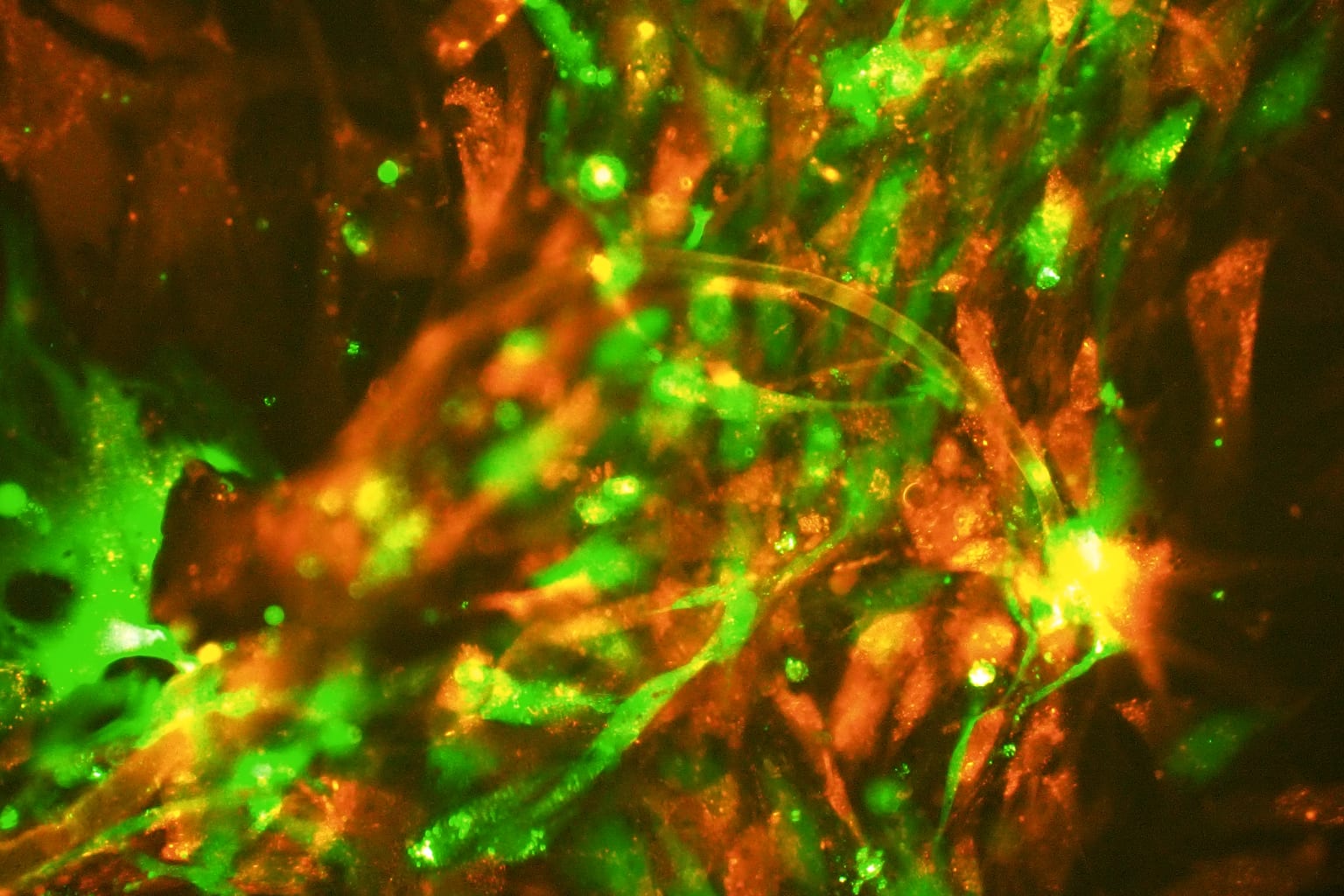
Blood vessels were supposed to need one signal to grow. The VEGF–VEGFR2 pathway, a chain in which the VEGF protein activates the VEGFR2 receptor on endothelial cells, was considered essential for every stage of angiogenesis, the formation of new blood vessels. Cancer drugs were built to block it, because a tumor that cannot build vessels has trouble growing and spreading. A team at CNIC, with international collaborators, has now shown that vessels can keep growing without it.
The researchers, directed by Rui Benedito, developed a mosaic genetics strategy that let them tell normal endothelial cells apart from cells completely lacking VEGFR2 signaling, and follow both populations during embryonic development and after birth. "This enabled us to observe and compare how the two types of cell populations behaved," says Irene García González, a CNIC researcher and co-first author. The loss of VEGFR2 hit mainly the cells actively forming new vessels in an early stage of growth, not the later ones. Organ mattered too: vessels in the brain showed strong resistance, while those in the heart, kidneys and liver were more sensitive, with reduced survival and proliferation.
The most striking finding is what the cells did next. Endothelial cells without VEGFR2 gradually recovered and increased their share of the vascular network, especially in veins and the small vessels around them. They acquired genetic traits typical of venous endothelial cells, a shift the team calls venousization. The researchers say this change in identity is what lets the cells survive and expand without VEGFR2. Two related receptors, VEGFR1 and VEGFR3, help sustain some survival and migration and act in parallel with this program.
For cancer research, the implication is direct. Benedito says the findings "may also help explain why tumors become resistant to treatments that block VEGF–VEGFR2 signaling". The authors argue that therapies aimed at VEGF–VEGFR2 alone may not be enough for durable responses, and that combination treatments blocking these compensatory pathways could inhibit tumor angiogenesis more effectively. The work is basic research in a laboratory setting, published in Nature, and the authors give no timeline for testing such combinations in patients.
Sources — read the originals(Paris time)
Read next
Comments
Loading the thread…
Sign in to leave a comment. Sign in