Ceres-2 Returns to Flight, Four Satellites Reach Orbit
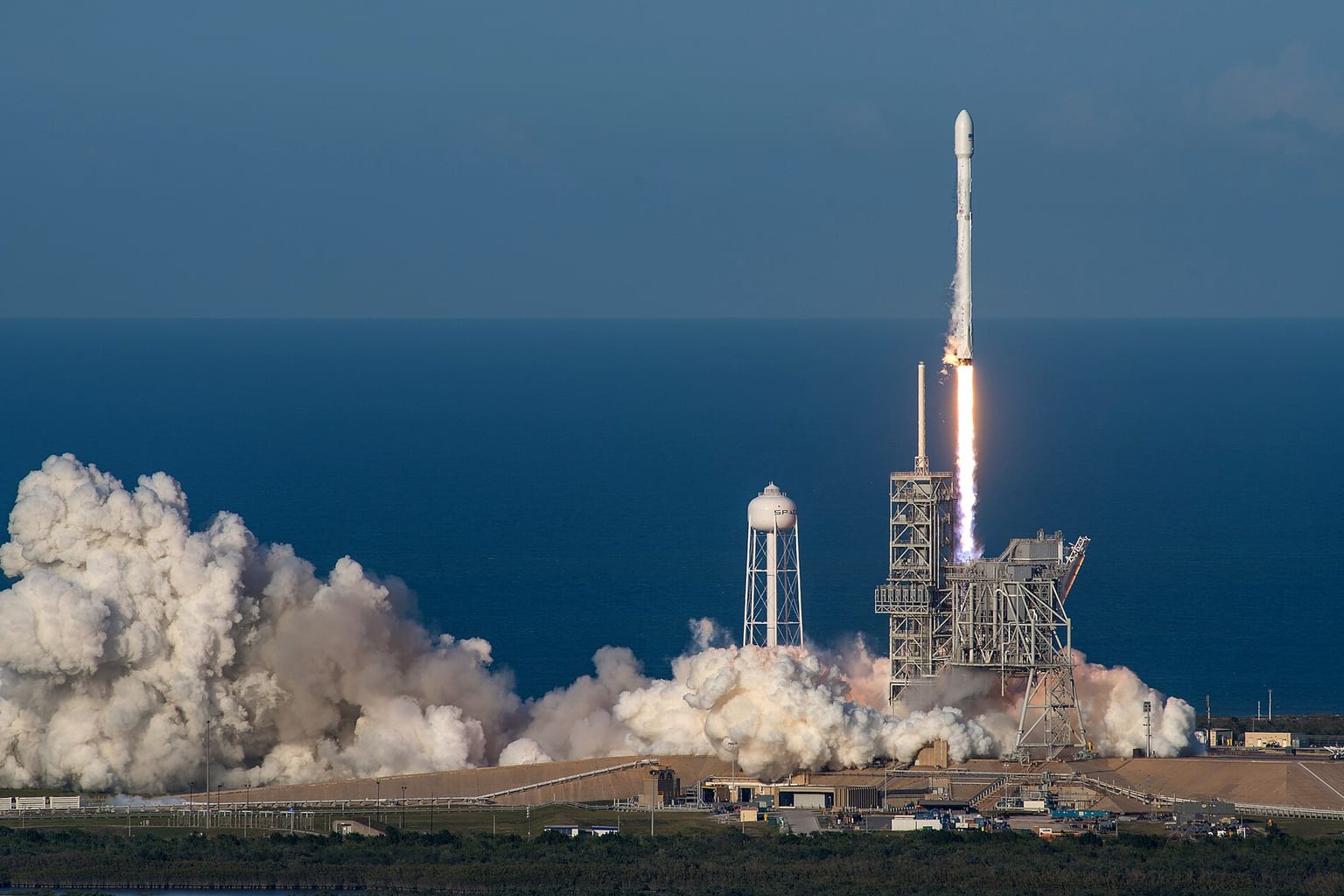
At 7:37 a.m. Beijing time on November 7, a Ceres-2 rocket lifted off from the Jiuquan Satellite Launch Center carrying four satellites. Xinhua reported that all four reached their planned orbits. It was the rocket's first flight since its maiden mission failed on January 17, a gap of nearly ten months.
Ceres-2 is an enlarged successor to Galactic Energy's Ceres-1. It combines three solid-propellant stages, which burn a solid fuel, with a liquid upper stage. The rocket is about 30 meters tall, 2.35 meters wide at its widest point, and weighs roughly 100 metric tons at liftoff. Fairing options, the nose cones that shield the payload, measure 2.9 and 3.35 meters in diameter.
The figure that matters most for the rocket's future is its stated capacity: 1.3 metric tons to a 500-kilometer sun-synchronous orbit, against 300 kilograms for Ceres-1 on the same stated profile. That is a design rating. The reports do not say what mass flew on this mission.
Several things remain open. Xinhua did not disclose orbital parameters, individual payload masses or a commissioning timetable for the spacecraft. The launch reports do not detail the corrective work carried out after the January failure. And one successful flight does not establish a regular pace: no sustained flight cadence for Ceres-2 has been shown yet. The company's separate liquid-propellant rocket program is not part of this result.
Ceres-2 is positioned for small and medium satellite constellations and for replacement launches on larger networks. Whether it becomes a routine option will depend on the flights that follow this one, and the reports do not yet show that record.
Sources — read the originals(Paris time)
Read next
Comments
Loading the thread…
Sign in to leave a comment. Sign in