Drug course may reverse hormonal high blood pressure in 14 patients
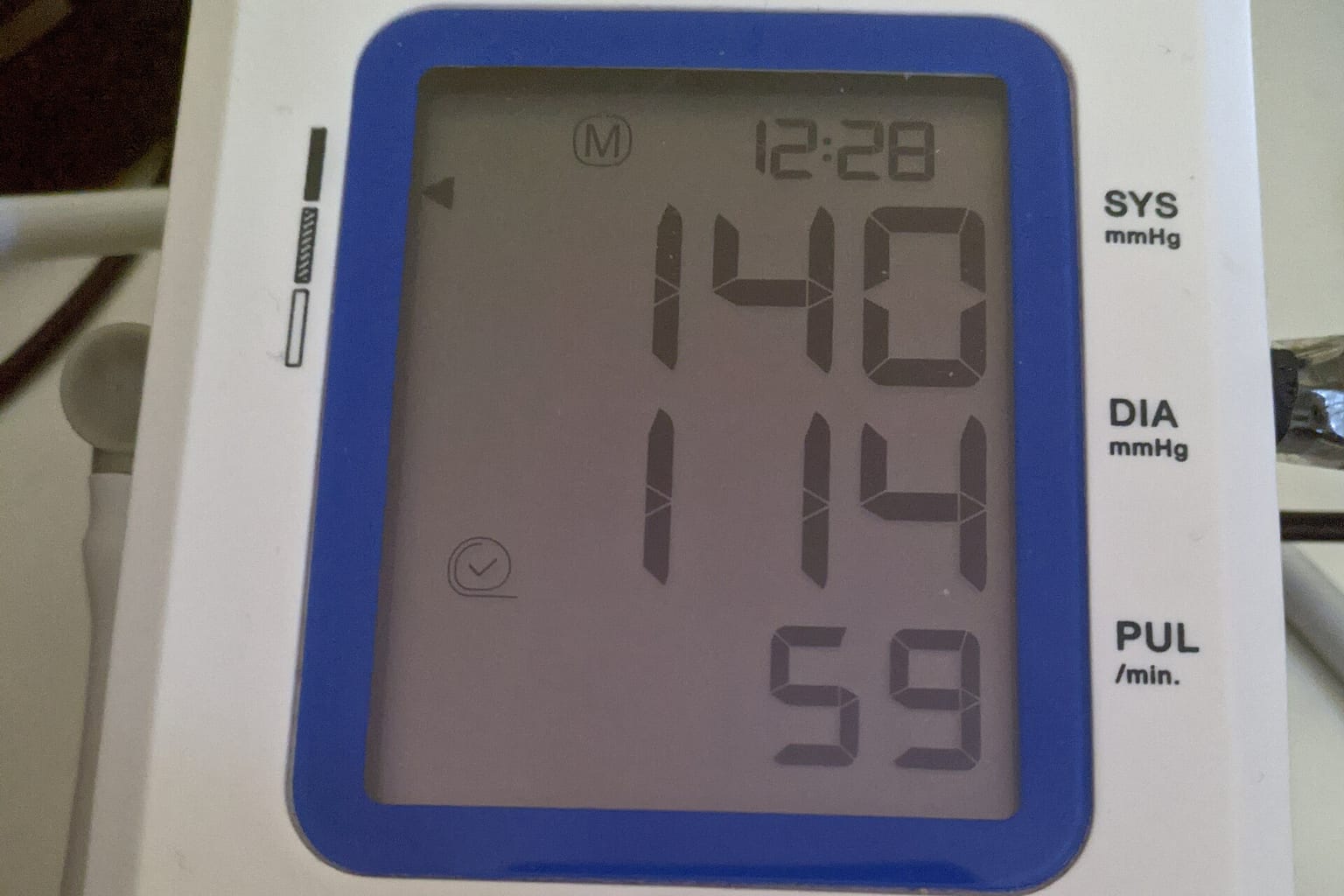
Until now, curing one common form of high blood pressure meant removing an entire adrenal gland. A new approach may spare some patients that operation. In a study led by Queen Mary University of London, a new class of drugs taken for 6 to 12 months kept blood pressure lower for up to two years after treatment ended, and for some people without any further medication.
The target is aldosterone, a hormone that makes the kidneys retain salt. In primary aldosteronism, benign nodules in the adrenal glands produce too much of it, a cause estimated at between 5% and 10% of high blood pressure cases. Conventional drugs lower the pressure but leave that source in place, which is why patients keep taking them for life. The new treatment, known as extended aldosterone synthase inhibition, or EASI, blocks the enzyme that makes aldosterone. The idea goes back to a 2005 experiment in mice, in which deleting the gene for that enzyme made the aldosterone-producing cells disappear. Researchers at Queen Mary predicted that prolonged treatment might do the same in humans.
The team followed 14 people treated at eight centers across the United States. The main marker of excess aldosterone stayed 99% below its pre-treatment level, and blood pressure was on average 25 points lower. Almost a quarter of participants had normal blood pressure without taking any other medication. Hormone levels and blood pressure remained similar to, or lower than, their levels during treatment, for up to two years.
The lead author, Morris Brown, professor of endocrine hypertension at Queen Mary, is measured about the result. The study is pragmatic, and earlier trials of aldosterone synthase inhibitors in hypertension generally lasted 6 to 12 weeks, with outcomes measured during treatment. ‘EASI treatment is unlikely to be the elixir for most patients with hypertension,’ Brown said. ‘But the possibility of tablets achieving a surgical cure has long been a holy grail for this common type of hypertension.’
For the patients with primary aldosteronism, the prospect is a course of pills rather than major adrenal surgery. Mason Freeman, professor of medicine at Harvard Medical School, said many of them could potentially take a once-a-day pill, perhaps for a limited period, and obtain benefits similar to those reached today only after invasive testing and surgery.
The next step is ELIXIR, a larger prospective clinical trial led by the same researchers. It will test whether EASI gives a lasting cure for people with primary aldosteronism, and will use molecular imaging of the adrenal glands to check whether prolonged treatment makes aldosterone-producing cells disappear.
Sources — read the originals(Paris time)
Read next
Comments
Loading the thread…
Sign in to leave a comment. Sign in