Eco Wave Power completes first phase of a wave-power simulation
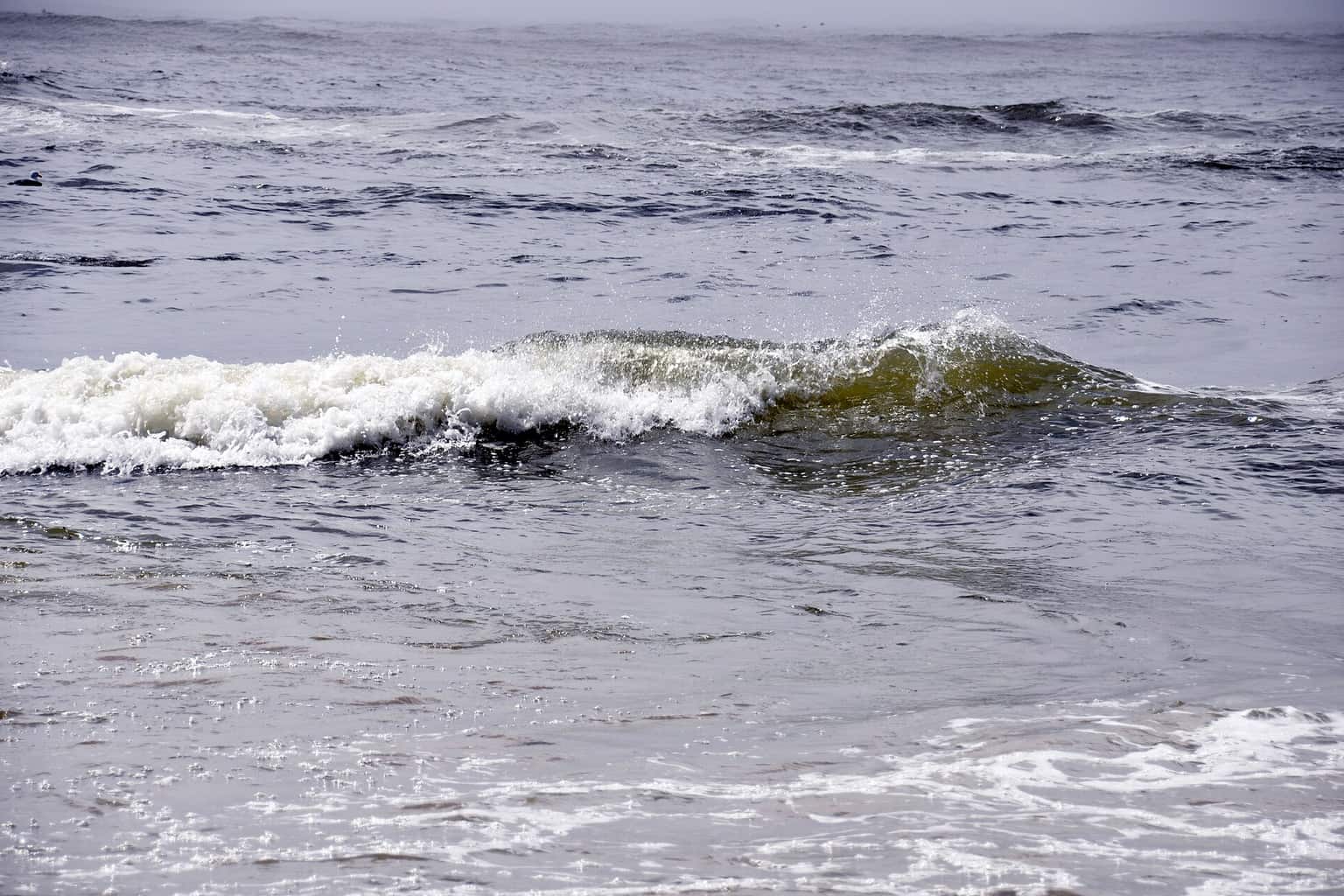
Along a seawall, floating devices turn the motion of the swell into electricity. Their output, though, has been hard to predict, because the ocean never stays the same for long. On November 2, Israeli company Eco Wave Power announced that it had completed the first phase of a digital twin, a virtual model of how waves act on its equipment, built with Germany's AI Engineering GmbH.
Eco Wave Power already uses floating devices attached to piers and breakwaters to generate power from waves. Predicting how much energy they can produce remains a major challenge, since ocean conditions keep changing. The new model is physics-based: it simulates how waves interact with the floaters, covering wave forces, floater movement, structural loads and electricity generation under different conditions. On top of these simulations, machine learning predicts the electricity output and the forces acting on the equipment. The work relies on Nvidia's Omniverse platform for virtual simulations, and on Nvidia Warp and advanced computing for testing.
"Wave energy is a particularly challenging engineering problem," said Stefan Adami, PhD, co-founder and general manager of AI Engineering GmbH, because it combines complex fluid dynamics at the water's surface, structural motion and highly variable environmental conditions. In his view, combining these physics models with machine learning can support more accurate forecasting, design optimization and scalable deployment of wave energy technology. The company goes further: it says the tool could help optimize equipment before installation and speed up future improvements, and it has explored whether the model could be adapted to other locations with different wave conditions.
The ambition extends to computing. Data centers already account for 1.5 percent of global electricity use, and the company cites an expected rise of 15 percent a year through 2030. For coastal sites that host such facilities, a forecast of wave output is what would allow planning around this source. Eco Wave Power says it is already talking with several data-center developers about delivering wave electricity, and its founder, Inna Braverman, calls those discussions an important part of understanding how wave energy can become a practical part of the future energy mix for AI infrastructure.
The next steps are concrete. The company plans to extend the digital twin to its hydraulic and mechanical systems, and to feed it real sensor and electricity data to improve energy predictions and system performance with AI. For now, the model remains a simulation, and the company has not announced a date for supplying power to data centers.
Sources — read the originals(Paris time)
Read next
Comments
Loading the thread…
Sign in to leave a comment. Sign in