Eggshell waste yields stronger magnesium alloy, still
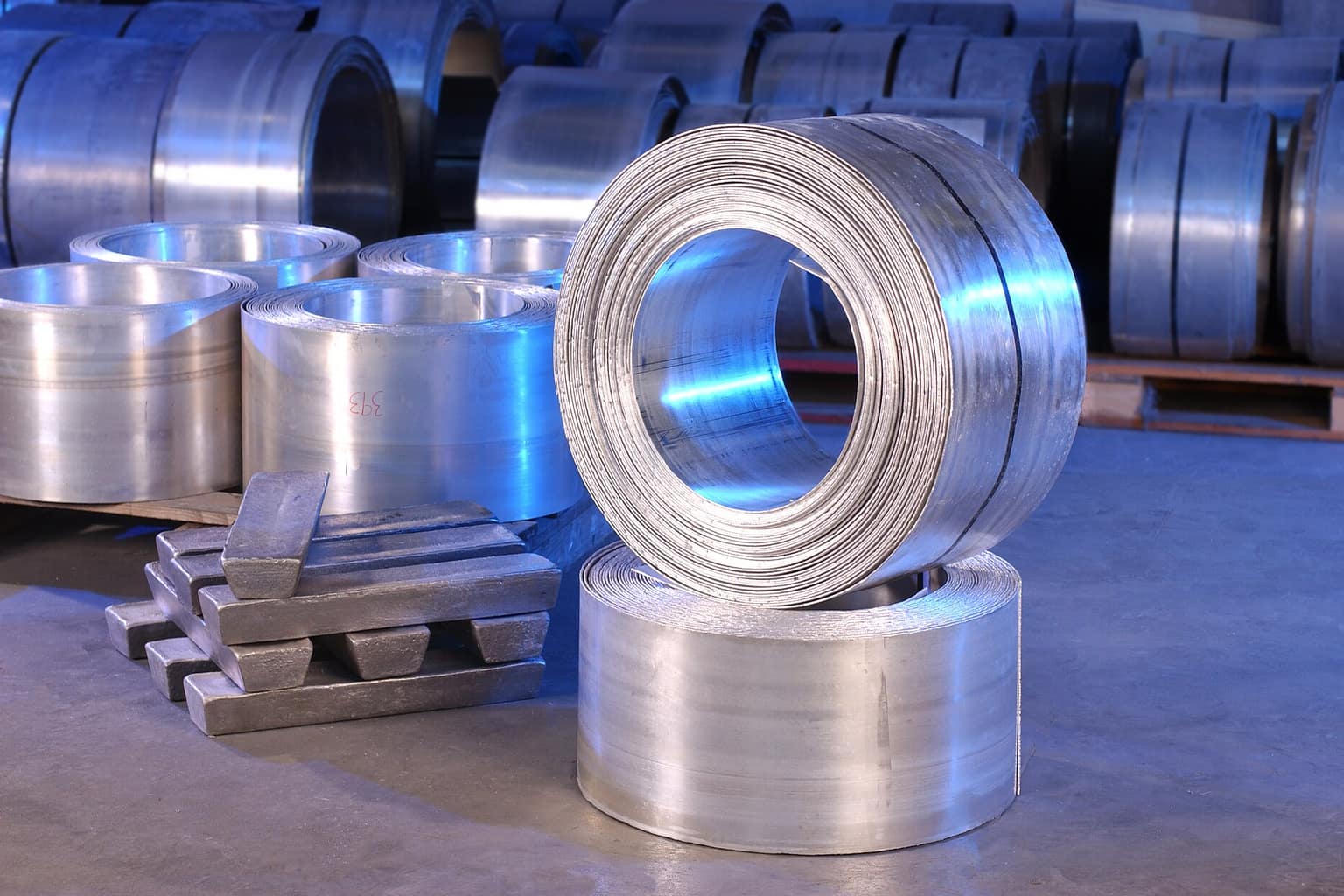
On a cylindrical block of magnesium, the researchers drilled equally spaced holes and packed them with ground eggshell powder. A steel mandrel spun at 300 revolutions per minute and pressed down on the metal. Frictional heat and mechanical shear mixed the eggshell powder with the magnesium, and the same process extruded the mixture into alloy rods.
Calcium is an important material for making many metal alloys, improving the mechanical properties of metals such as magnesium. But Bharat Gwalani, an assistant professor in the Department of Materials Science and Engineering at North Carolina State University, points out that producing these calcium materials depends on complex processes that start with mined ore. Eggshells are about 95% calcium carbonate, a ready-made biological waste material, and this time it was used directly as the raw material for the alloy.
The research team reports that during friction, the calcium carbonate in the eggshells converted into calcium oxide and calcium, forming the high-strength alloy phase Mg2Ca. The researchers skipped the mining step, and the resulting composite was harder and stronger. Gwalani said: “We have demonstrated that we can use eggshells to produce high-quality metal alloys, rather than processing ore to make calcium materials.” The study was published in the Journal of Magnesium and Alloys and was funded by the Office of Naval Research Global.
The result is still a proof of concept. The team did not measure whether the process is more energy-efficient than producing calcium compounds from rock. According to a report from Earth.com, several pathways could potentially release calcium from its oxide and get it into the magnesium itself, but that step was not achieved in the first round of tests.
The report mentions automotive, aerospace and biomedical applications for the alloy. For manufacturers that rely on lightweight alloys, if this route could eventually replace ore processing, it would reduce dependence on mined calcium materials and turn discarded eggshells into a usable raw material. The report gives no timeline for commercialization and no cost data.
The next questions to answer are very specific: whether calcium can actually enter the magnesium matrix, and whether this route is genuinely superior in energy consumption. Until both are answered, the work remains at a small-scale laboratory validation stage.
Sources — read the originals(Paris time)
Pages consulted while writing
Read next
Comments
Loading the thread…
Sign in to leave a comment. Sign in