Electron pairs form above the superconducting point, lab study finds
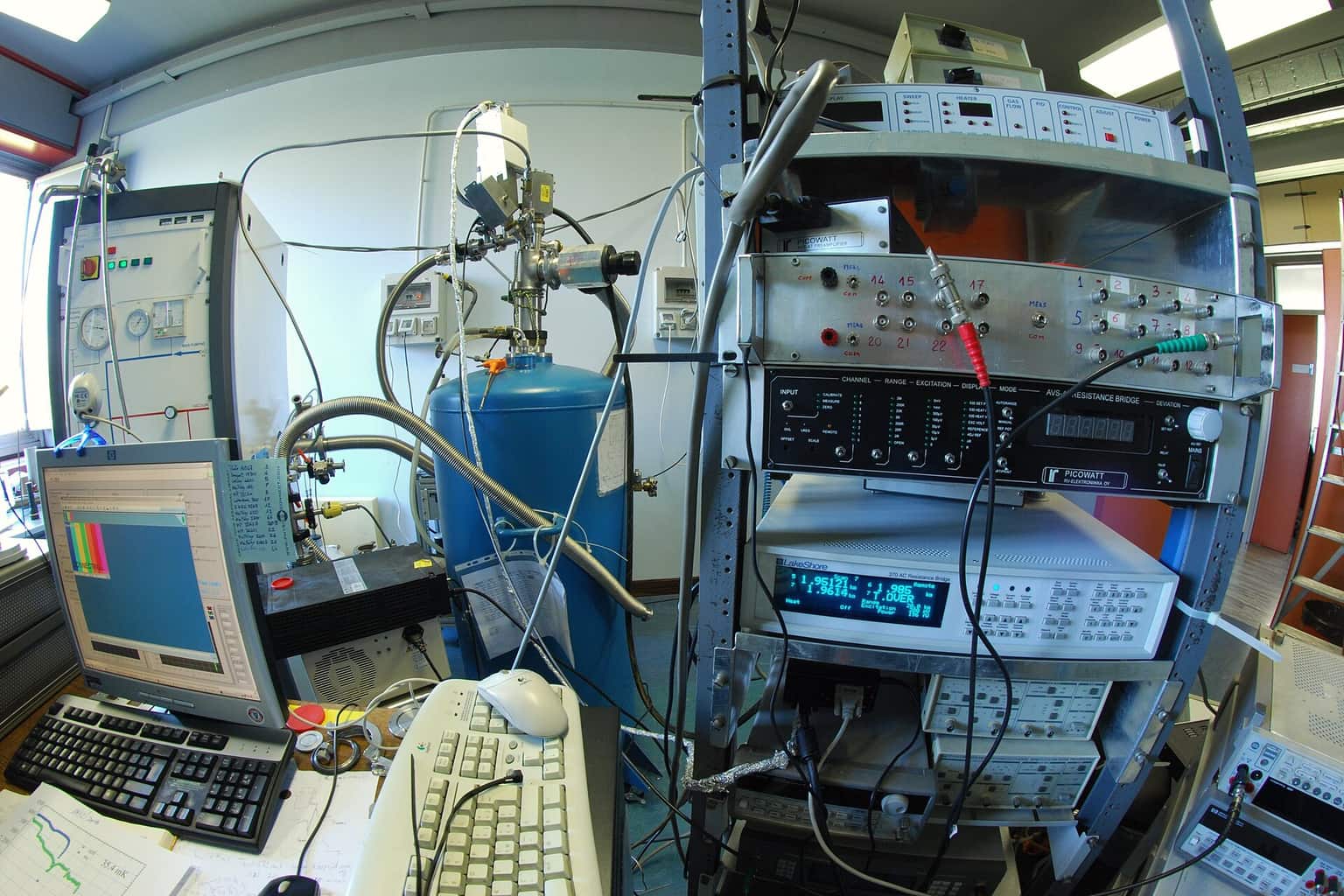
In a copper-oxide crystal, electrons form pairs at temperatures well above the point where the material starts to superconduct. That is the central result of a study led by researchers from Utrecht, Leiden and Munich, published in Science.
Superconductors carry electricity with no resistance, so no energy is lost as heat, the way a toaster wire heats up on purpose. The catch is temperature. Most superconductors work only when cooled to around -260°C with liquid helium, a costly and energy-intensive process. Superconductivity was first observed in 1911. In the mid-1980s, researchers found materials that superconduct at around -173°C, a considerably higher temperature, but the theory that explains conventional superconductivity could not account for them, and scientists still do not fully understand how they work.
The mechanism rests on two ingredients. The first is the formation of electron pairs, known as Cooper pairs. The second is the ability of these pairs to move in step, a property called phase coherence. Ingmar Swart compares it to a dance floor with 10 couples: each couple dancing is not enough, they must also move together. In conventional superconductors, pairing and this coordination happen at the same temperature. The new research shows that in high-temperature superconductors, the pairs already exist well above the superconducting point, so the pairing ingredient is not what limits the process.
That is what changes the picture. "We show that one of the two key conditions for superconductivity can be met at room temperature," Swart says. "If that weren't possible, room-temperature superconductivity would be out of reach altogether." For materials scientists, the question narrows to phase coherence, which the team identifies as the bottleneck. Swart plans to focus on it in follow-up research, arguing that understanding it may point toward superconductivity at higher temperatures. For now, the result is a clearer map of where the obstacle lies, not a new material.
The limits are clear. The study is laboratory physics on a specific class of materials, and the team has not yet shown how to make phase coherence occur at room temperature. No timeline or application has been announced. The next step is the phase coherence work that Swart's group has announced.
Sources — read the originals(Paris time)
Read next
Comments
Loading the thread…
Sign in to leave a comment. Sign in