Field pilot turns CO₂ and nitrates into urea fertilizer
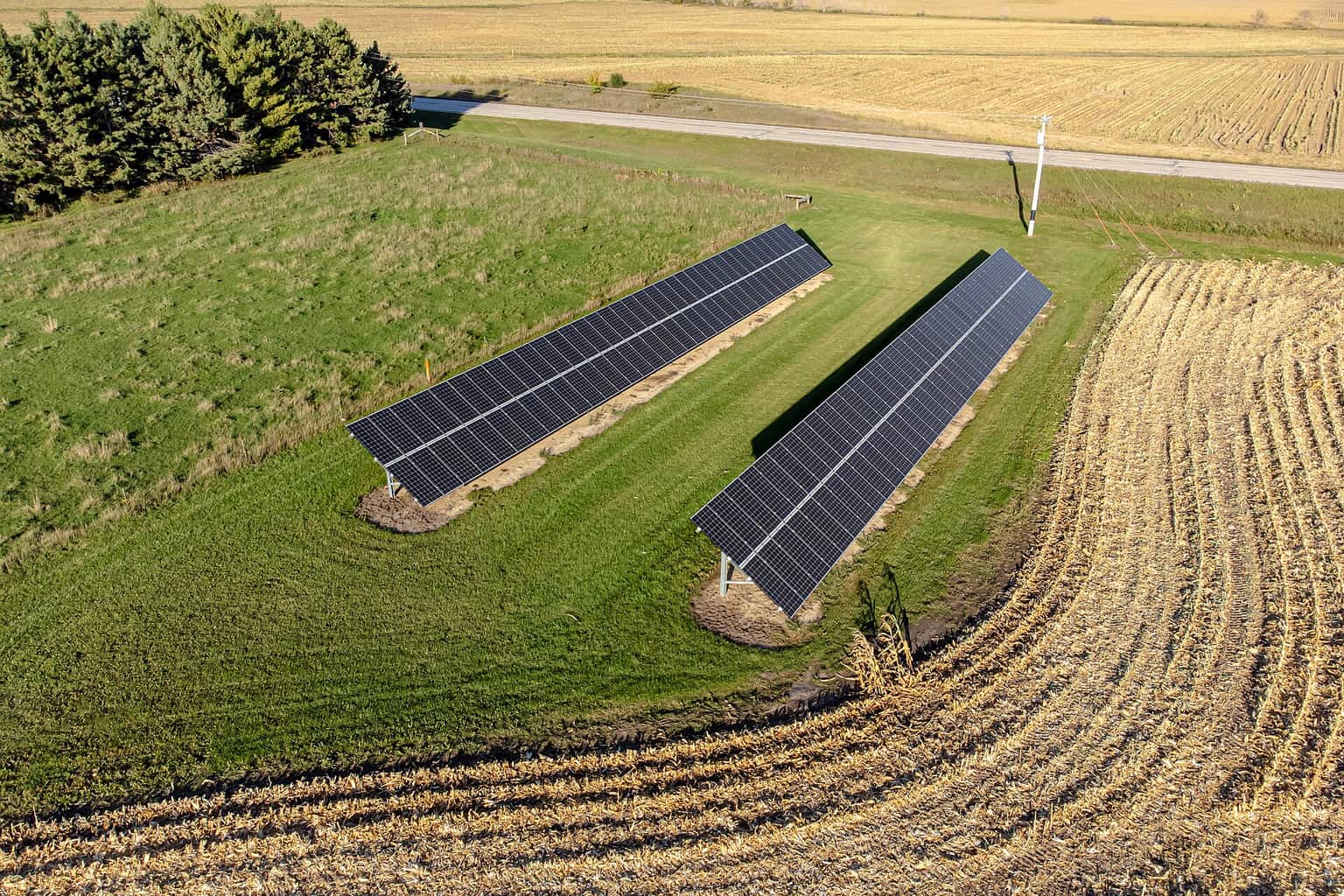
In Viladecans, an experimental installation now sits in an agricultural setting and makes urea, the nitrogen fertilizer widely used in farming, directly on site. The CONFETI project, coordinated by the Universitat Autònoma de Barcelona (UAB), has commissioned a pilot system capable of producing urea in the field using renewable energy, after three years of research. The fertilizer is made from carbon dioxide and nitrates in an electrochemical reactor, powered by biobatteries and solar panels.
The biobatteries generate electricity from microbial activity and the organic matter already present in the soil. An electronic system combines that power with the output of the solar panels and feeds the reactor. A second unit, a photochemical reactor, turns nitrates in water into ammonia, a key compound in urea production, using sunlight and a photocatalyst. The material can then be separated and recovered for reuse. The nitrates it works on are those crops do not absorb.
The hard part, according to Gonzalo Guirado, a professor in the UAB's Department of Chemistry and the project coordinator, was the move out of the lab. "The main challenge has been moving the device from the laboratory to an agricultural setting. It has been one of the most difficult tasks," he says. Unlike laboratory tests, the system is exposed to weather and to the specific characteristics of its surroundings. The prototype has kept operating through the summer and after heavy rainfall, and the consortium is still studying how it performs in real conditions.
The idea behind the test is a different way of making fertilizer, Guirado says: producing it where it will be used and supplying it on demand, so that it does not need to be stored. The project raises the possibility of local fertilizer production systems that draw on resources already available on farms. That remains a prospect. The team says further research is needed to assess the technical, environmental and economic viability of commercial application, and it has not given a date for it.
The trials are now characterizing each component and the integrated system, and identifying the technical issues that subsequent stages of development will have to solve.
Sources — read the originals(Paris time)
Read next
Comments
Loading the thread…
Sign in to leave a comment. Sign in