Finland grants license for world's first nuclear waste repository
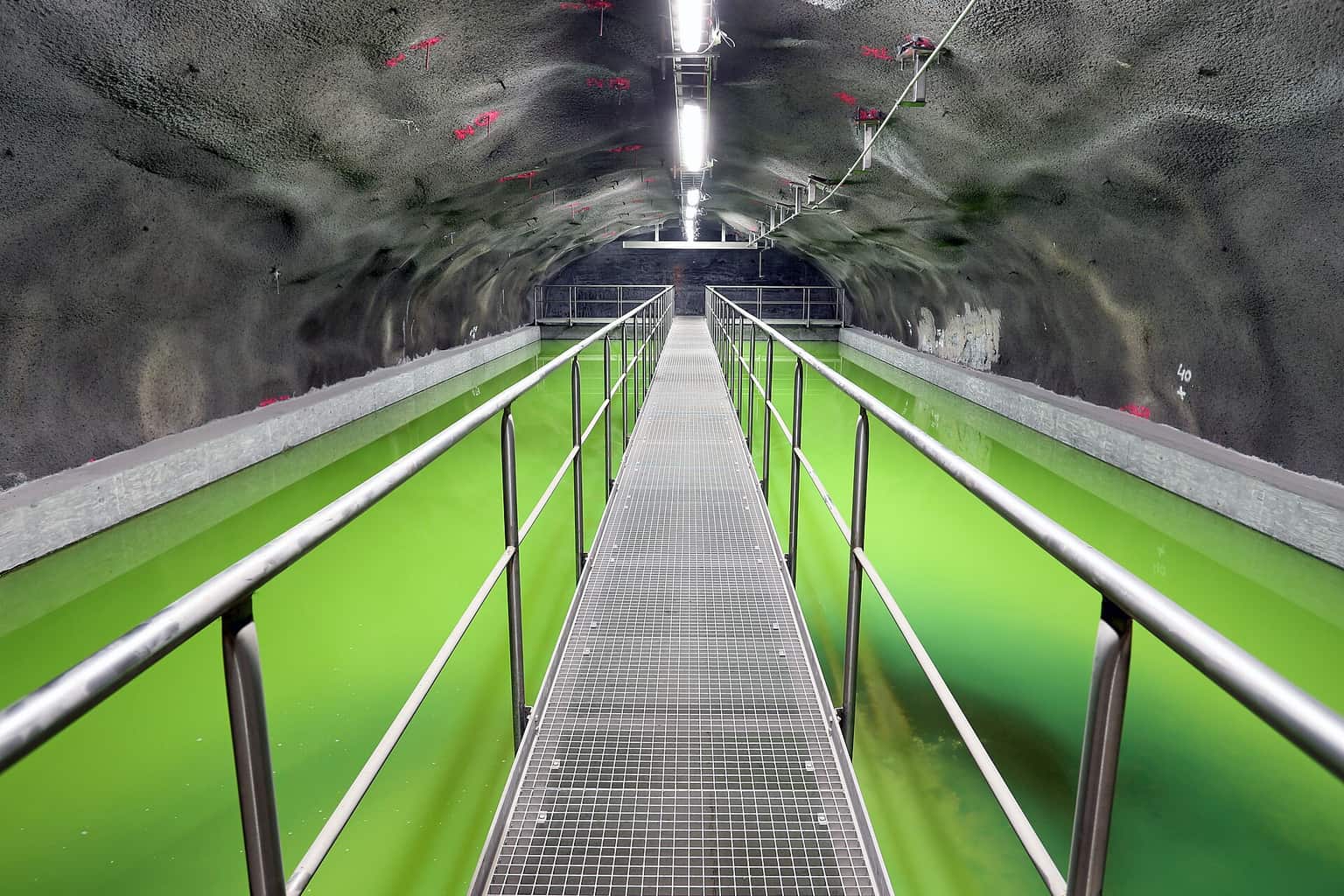
On a Thursday in October 2026, Finland's government granted an operating license for Onkalo, a hole in the rock near Eurajoki that will hold the country's most dangerous waste for longer than human history has existed. Posiva, the company that runs the site, announced the decision and marked the moment as a 'great and historic day' for both the company and the country. The site was blasted into bedrock that is 1.9 billion years old, and the license arrives 22 years after construction began.
The mechanism is simple to describe and slow to build. Spent fuel from the reactors will be sealed in copper canisters that resist corrosion. Those canisters will be lowered into holes drilled in the tunnels of the bedrock, the holes will be filled with bentonite, a clay that swells and seals gaps, and the tunnels will be closed with a steel-reinforced concrete plug. The fuel remains highly radioactive for tens of thousands of years, and after about 100,000 years its radioactivity will be roughly that of the uranium ore it came from. Countries have stored their waste in temporary facilities since the first plants went online in the 1950s, which is why a permanent solution has taken so long to reach the operating stage.
The license does not mean that waste is going underground yet. Posiva said that 'no detailed schedule is given at this point for the startup', and it has not announced a date. Before final disposal begins, the company must finish commissioning, carrying out the tests and inspections that STUK, the Finnish Radiation and Nuclear Safety Authority, has to verify and approve. The company has said operations will start 'soon', and that phrase is the only timing it has given.
For Finland, the benefit is a permanent answer to a question the country has been postponing for decades: where the fuel from its five reactors will end up. Onkalo has space for 6,500 tonnes of uranium, and its estimated cost is $1.16 billion. Once disposal begins, the fuel will no longer depend on temporary storage. Finland is expected to be the first country to open an underground facility of this kind, ahead of neighboring Sweden and France, which are also building final repositories. Posiva has not said when the first canister will be lowered into the rock, so the timeline for that milestone remains open.
Sources — read the originals(Paris time)
Read next
Comments
Loading the thread…
Sign in to leave a comment. Sign in