Nuclear waste locked into minerals: 99% removed
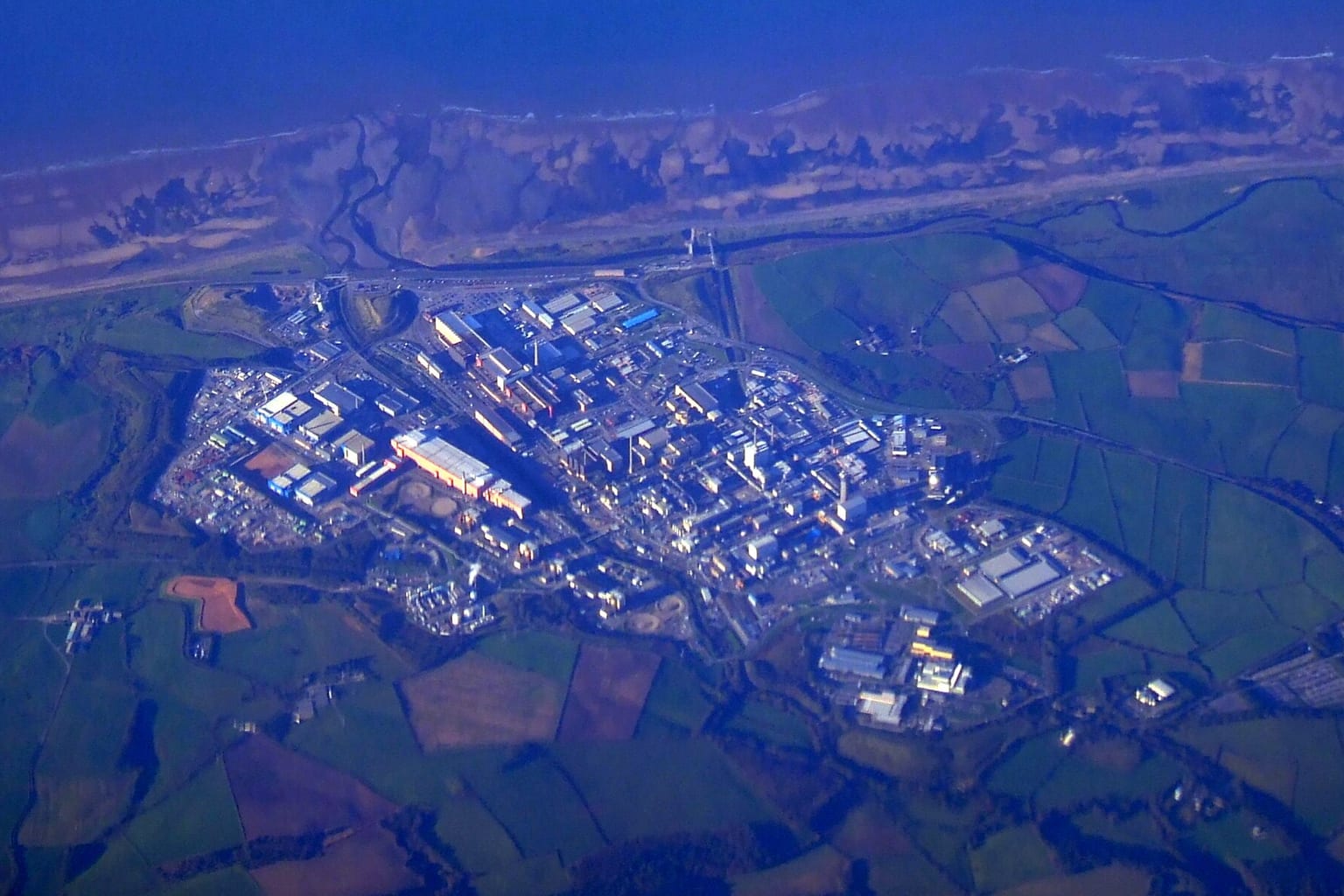
Technetium-99 is hard to hold still. It is a radioactive byproduct of nuclear fuel production, it dissolves easily in water and moves through soil, which makes it difficult to contain at old nuclear sites such as Sellafield in the UK and Hanford in the US. Researchers at the University of Manchester now report two ways to capture 99% of the dissolved isotope, in experiments carried out at the National Nuclear User Facility’s RADER laboratories.
The first method works on liquid waste. The team used an engineered mineral called a layered double hydroxide, a material already used in other kinds of environmental cleanup. As the mineral forms, technetium-99 becomes part of its structure. The study provides the first evidence that this type of mineral can directly incorporate the isotope, and more than 99% of the contaminant was removed, even at elevated technetium concentrations. X-ray analysis at the Diamond Light Source showed the isotope incorporated into the mineral’s layers. “We’re not simply removing technetium from the effluent; we’re locking it up directly into a mineral structure to provide much greater long-term stability,” said Samuel Shaw, professor of environmental mineralogy at the University of Manchester.
The second method borrows from hospitals. Nuclear medicine uses a compound called MDP to bind a short-lived form of the isotope, technetium-99m, to hydroxyapatite, the calcium phosphate mineral found in bone. Until now, the high mobility of technetium-99 had limited that strategy. The Manchester team, working with Pacific Northwest National Laboratory and the Christie NHS Foundation Trust, first chemically reduced technetium-99 and combined it with MDP to form a soluble complex. Hydroxyapatite then captured 99% of that complex from solution, under conditions similar to those at legacy nuclear sites. Further experiments suggested the method could also work in flowing groundwater, and the researchers propose pairing it with techniques that form phosphate minerals in contaminated ground. That combination could hold the isotope in place over the long term and limit its spread.
Both 99% figures come from tests in solution, not yet from a treated site. The next step is with Sellafield. Through the Game Changers program, the Manchester team will examine whether the engineered mineral can help treat waste during decommissioning there. For plant operators, the appeal is a route from radioactive liquid to a stable solid ready for long-term disposal. For groundwater at old sites, it is a way to limit how far contamination travels. The team gives no timetable for either use.
Callum Robinson, a radionuclide research associate at the University of Manchester, sees the work as building “the toolkit needed for the safe cleanup of nuclear legacy sites.” The concrete next step is the Sellafield evaluation, which will show whether a mineral that locks the isotope into its own structure can help with the site’s decommissioning.
Sources — read the originals(Paris time)
Pages consulted while writing
Read next
Comments
Loading the thread…
Sign in to leave a comment. Sign in