First TRACERS results: magnetic reconnection varies in place, not time
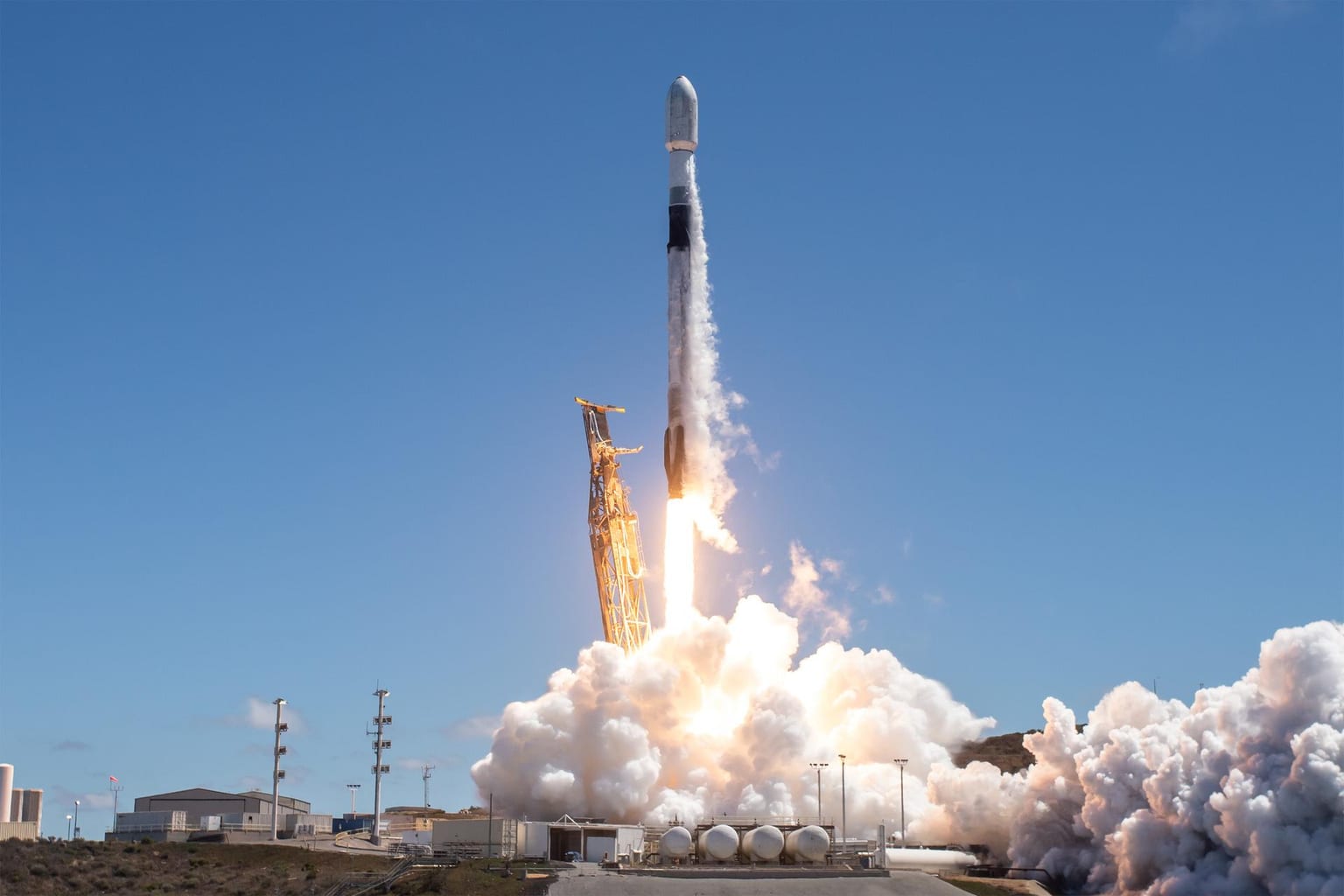
Several times a day, the two TRACERS spacecraft cross a funnel in Earth's magnetic field, the polar cusp, where the solar wind is concentrated into a small patch of the upper atmosphere. It is there that NASA's twin satellites are reading how the sun's magnetic field meets Earth's. In a new paper in the Journal of Geophysical Research: Space Physics, the team reports what its first year of data suggests: magnetic reconnection varies mainly in location, not in time.
The process is violent but well known. When the sun's magnetic field, carried by the solar wind, collides with the magnetosphere at its boundary, energy builds up until the field lines snap and reconnect, flinging nearby particles at high speed into the atmosphere. What remained open was how that energy is transferred, and whether the place where reconnection happens shapes the magnetopause's response more than how fast it happens. The Analyzers for Cusp Ions instruments on the two satellites made it possible to compare readings taken one behind the other. Their data indicate that reconnection is “largely a spatial process”, meaning the location of reconnection moves rather than changing in time.
For forecasters, this points to where to look. Reconnection provides the link between the solar wind and Earth's space environment, and a better picture of it helps scientists anticipate geomagnetic storms, which can affect astronauts near Earth and the power grids and communication systems people rely on. The result is still a first analysis: the authors say future measurements will help confirm it, and nothing in the first year yet turns it into a forecasting tool.
The mission has not been smooth. After a setback with one of the satellites following launch, the team worked to reestablish contact and set up routine data collection. Principal investigator David Miles of the University of Iowa said the team “demonstrated exceptional collaboration and resolve to gather and evaluate this data”. In September, NASA approved a prime mission extension, so the spacecraft can keep studying reconnection events into spring 2027.
The next step is those future measurements. Over the coming months, the satellites will keep sampling the southern cusp, and the team will check whether the location of reconnection, rather than its timing, drives the magnetopause's reaction.
Sources — read the originals(Paris time)
Read next
Comments
Loading the thread…
Sign in to leave a comment. Sign in