Focused ultrasound enters first human trial for schizophrenia voices
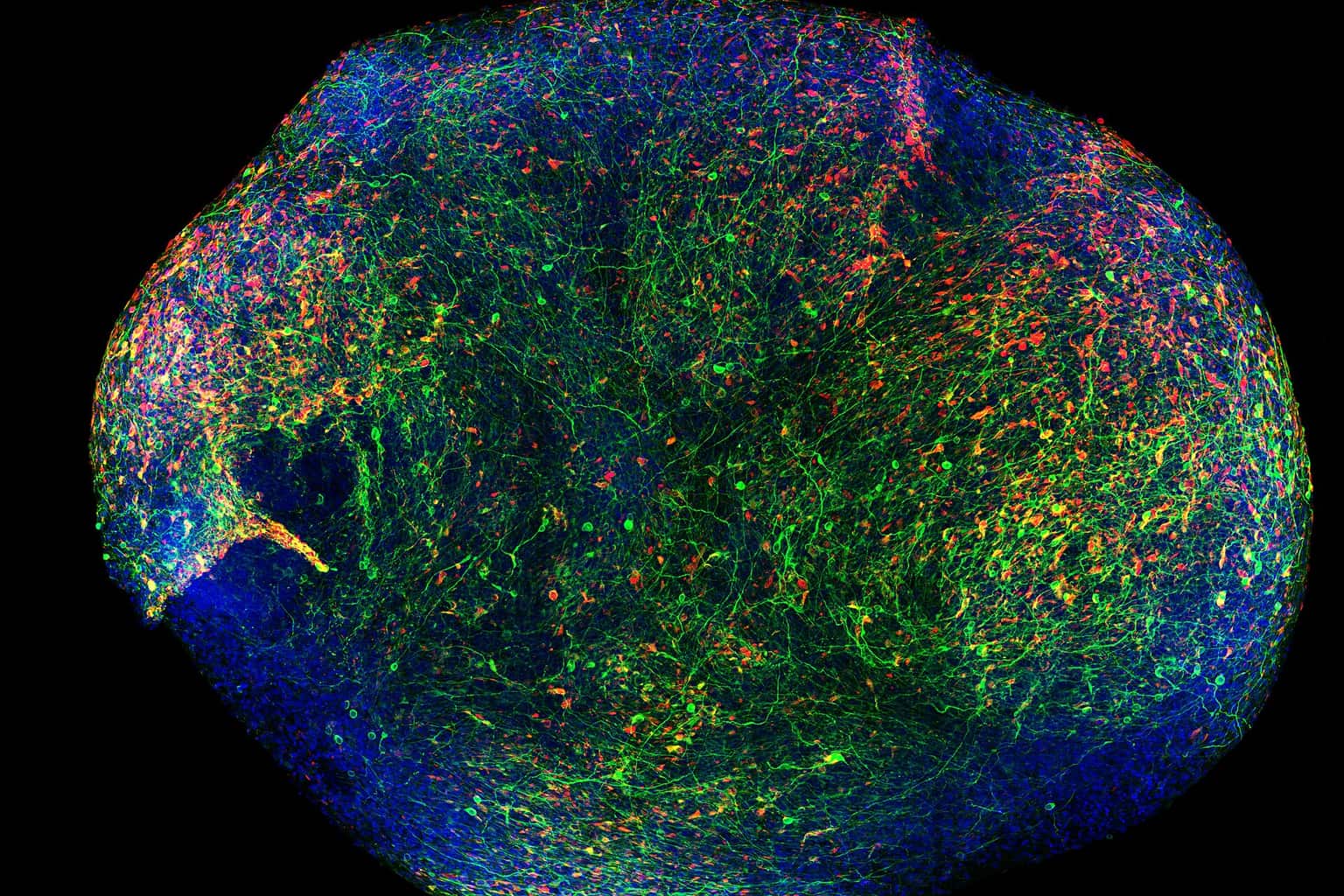
“I’m so surprised the voices have gone for now. My mind is really quiet.” That is how one participant described the early days of a study that has only just begun at the University of California San Francisco (UCSF). The team, led by psychiatry professor Karuna Subramaniam, has launched a first-in-human Phase I trial of low-intensity focused ultrasound, or LIFU, delivered by a noninvasive wearable device developed by Attune Neurosciences. A Phase I trial is the first stage in people, and its main aim is to establish safety and feasibility.
Auditory hallucinations, hearing voices that others do not hear, affect more than 70% of people with schizophrenia. Antipsychotic medication helps many of them, but approximately 40% continue to experience persistent hallucinations. For these patients, the source describes new treatment approaches as urgently needed. LIFU aims at a specific target: the caudate, a deep brain region within the striatum that may play a role in hallucinations. The trial builds on a study published in Brain Stimulation, in which a single LIFU session produced significant, albeit temporary, reductions in hallucinations.
The UCSF study plans to enroll up to 12 participants. Each will receive five daily sessions of active LIFU targeting the caudate and five sessions of a sham control, with a washout period between the two conditions. The sham delivers the same amount of ultrasound energy without focusing it on a specific brain target, which lets researchers check whether active treatment works beyond placebo or other nonspecific effects. Resting-state functional MRI, a brain scan that measures how regions activity-link with one another, will be taken before and after treatment, alongside validated measures of hallucination severity, mood and side effects.
The first participants have reported less hallucinating after repeated sessions. One described voices that had been constant, seeming to come from outside and insert thoughts, and said that afterwards “the voices are softer, more like in the distant background.” These observations are preliminary. A separate study published in npj Acoustics, from NYU Langone Health, used a different focused ultrasound device on the globus pallidus in patients with schizophrenia or schizoaffective disorder and noted a modest but clear reduction in delusions.
For patients for whom medication is not enough, a noninvasive option that could reach a deep target would be a new kind of tool, if the effect holds up. The next step is set by the trial itself: as enrollment continues, the team will test whether repeated LIFU sessions produce more sustained reductions in hallucinations, and whether similar benefits appear in additional participants.
Sources — read the originals(Paris time)
Read next
Comments
Loading the thread…
Sign in to leave a comment. Sign in