Fraunhofer tool compares battery recycling routes before scaling up
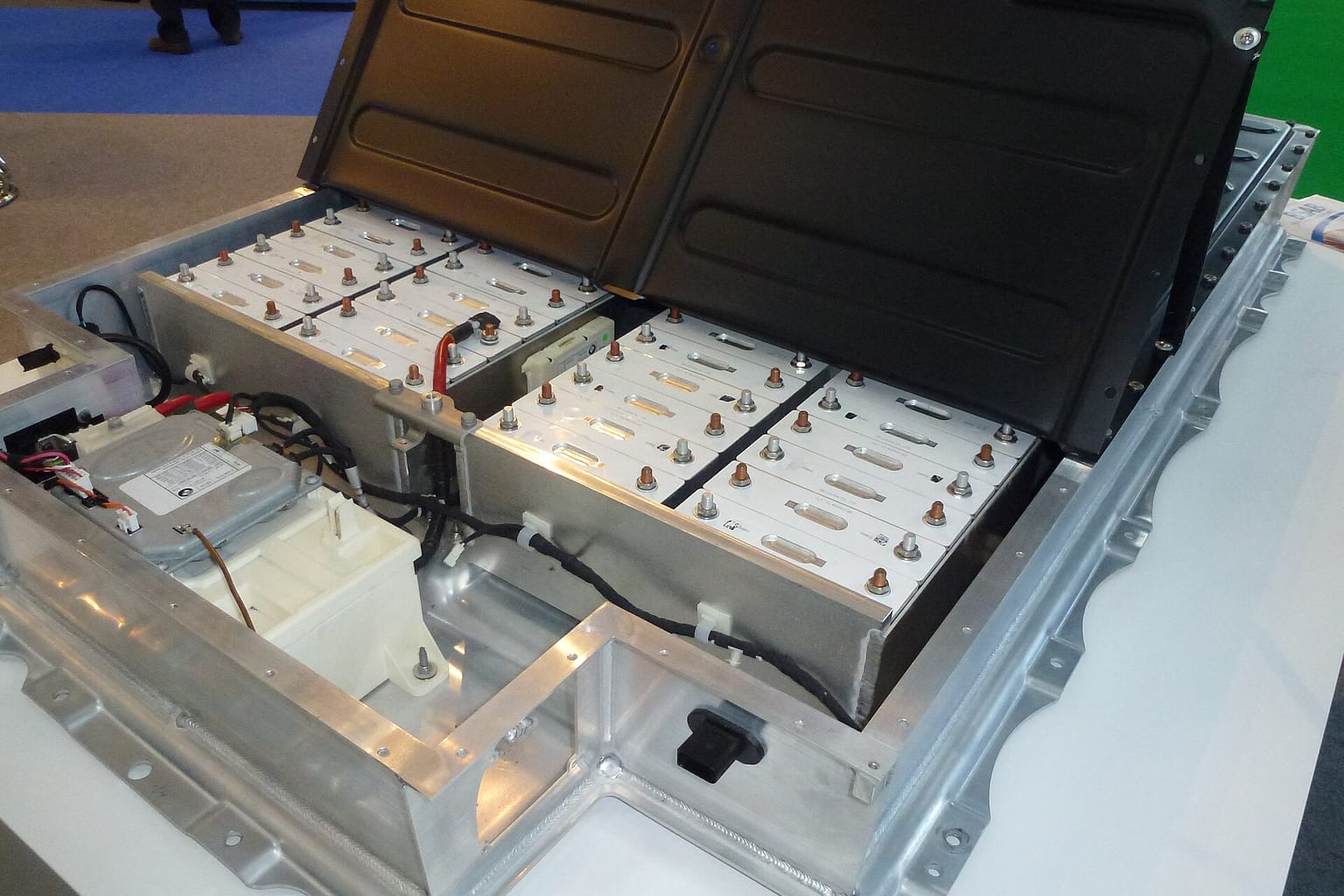
A shredder change looks like a small decision on a production line. In a battery recycling plant, it can ripple through every step that follows. Fraunhofer has built a tool that follows the material through each of those steps, so a recycler can see the effect of that choice before committing money to a new line or a larger plant.
The stakes are real. A study by Safeloop, an EU research project, found that recycling lithium-ion batteries in Europe resulted in an average loss of about €1.90 per kilogram of battery pack under the conditions it examined. Transporting hazardous goods, dismantling packs and uncertainty over how much material could be recovered were among the main factors weighing on the economics. The Fraunhofer model comes from that research, and it is built to make those costs visible at the design stage.
The Modular Lifecycle Tool draws on a database of individual processing steps and technologies. Users assemble a processing chain from the battery composition they expect and the amount of material they plan to process. The tool ties those material flows to estimates for energy use, carbon emissions, capital investment and operating costs, and it adds disposal costs and potential revenue from recovered raw materials. Users can also set local labor costs, the regional electricity mix and the share of plant capacity they expect to use. Change the throughput or the efficiency of one separation step, and the model shows where expenses or emissions move to later stages.
“With this tool, we aim to make different recycling concepts comparable on a common basis and thereby create a robust foundation for technological and strategic decisions,” said Benedikt Gruber, a research associate at Fraunhofer FFB. The tool was developed through a consortium study with recycling, plant engineering and consulting partners.
For recyclers, equipment makers and battery manufacturers, the immediate use is comparison. An existing plant can set its current process against one that uses a different separation technology. A company planning a new site can run the same comparison under different assumptions about throughput, battery composition or local power supply. The results depend on the composition and volumes a user enters, so they are only as sound as those inputs.
The framework is set to expand to more battery chemistries, more detailed regional data and different regulatory scenarios. That would let users see how costs and emissions shift with plant location and the rules under which a plant operates. No date for those additions was announced.
Sources — read the originals(Paris time)
Read next
Comments
Loading the thread…
Sign in to leave a comment. Sign in