Genetic fuzzy controller cuts robot arm error 89%
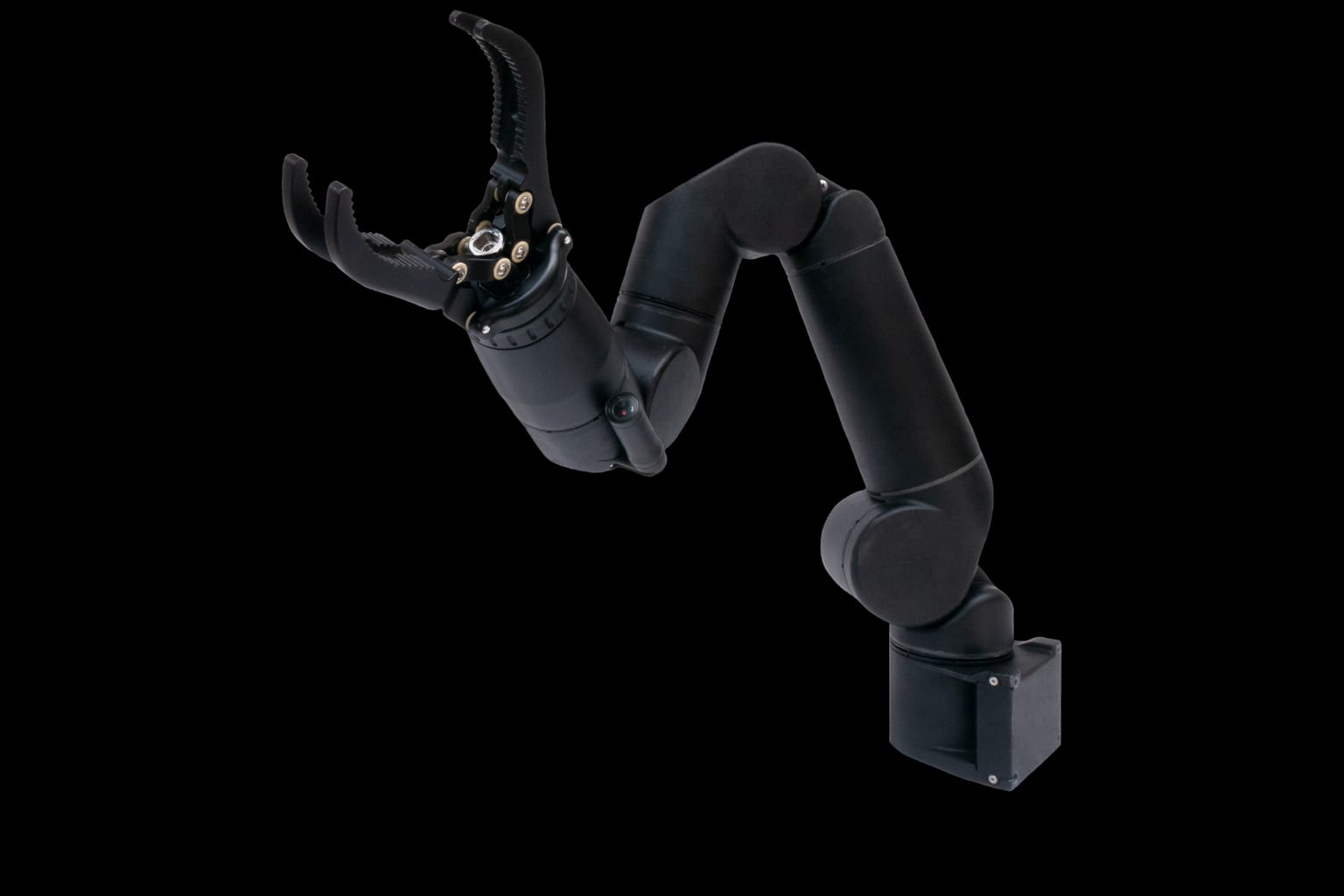
A robotic arm that must follow a planned path and drifts off it is a familiar problem on factory floors. In simulation, a team led by Abdullah Abushokor has now shown a controller that drifts much less: a genetically optimized fuzzy logic controller reduced average root mean square errors by 89% compared with conventional feedback control, on a three-degree-of-freedom robotic arm.
The controller pairs fuzzy logic with a genetic algorithm. Genetic algorithms are optimization methods inspired by natural selection: they 'evolve' candidate parameters until a near-optimal fit emerges. Here, that evolution tunes the fuzzy controller. The researchers compared it with fuzzy logic control alone and with an adaptive neuro-fuzzy inference system, known as ANFIS, and the optimized version came out ahead on precision.
The robustness result is perhaps the most telling. When the team exposed the arm to disturbances and made significant changes to its system parameters, the optimized controller kept performing stably, while earlier approaches failed under such severe variations. The reported gain is a mean error figure, and it comes from simulations, so it does not yet say how the arm would behave on a physical machine.
For industrial automation, the practical stake is reliability. Robotic arms handle assembly, welding and material handling, and the authors argue that greater resilience to disturbances could reduce errors in manufacturing. That benefit would only reach factories once the controller proves itself on real hardware, which is the next step the team has set: hardware implementation and real-time testing as a proof of principle in a test industrial setting. No timetable for that work has been announced.
Sources — read the originals(Paris time)
Read next
Comments
Loading the thread…
Sign in to leave a comment. Sign in