Genome sequencing finds likely cause of 1 in 4 repeat miscarriages
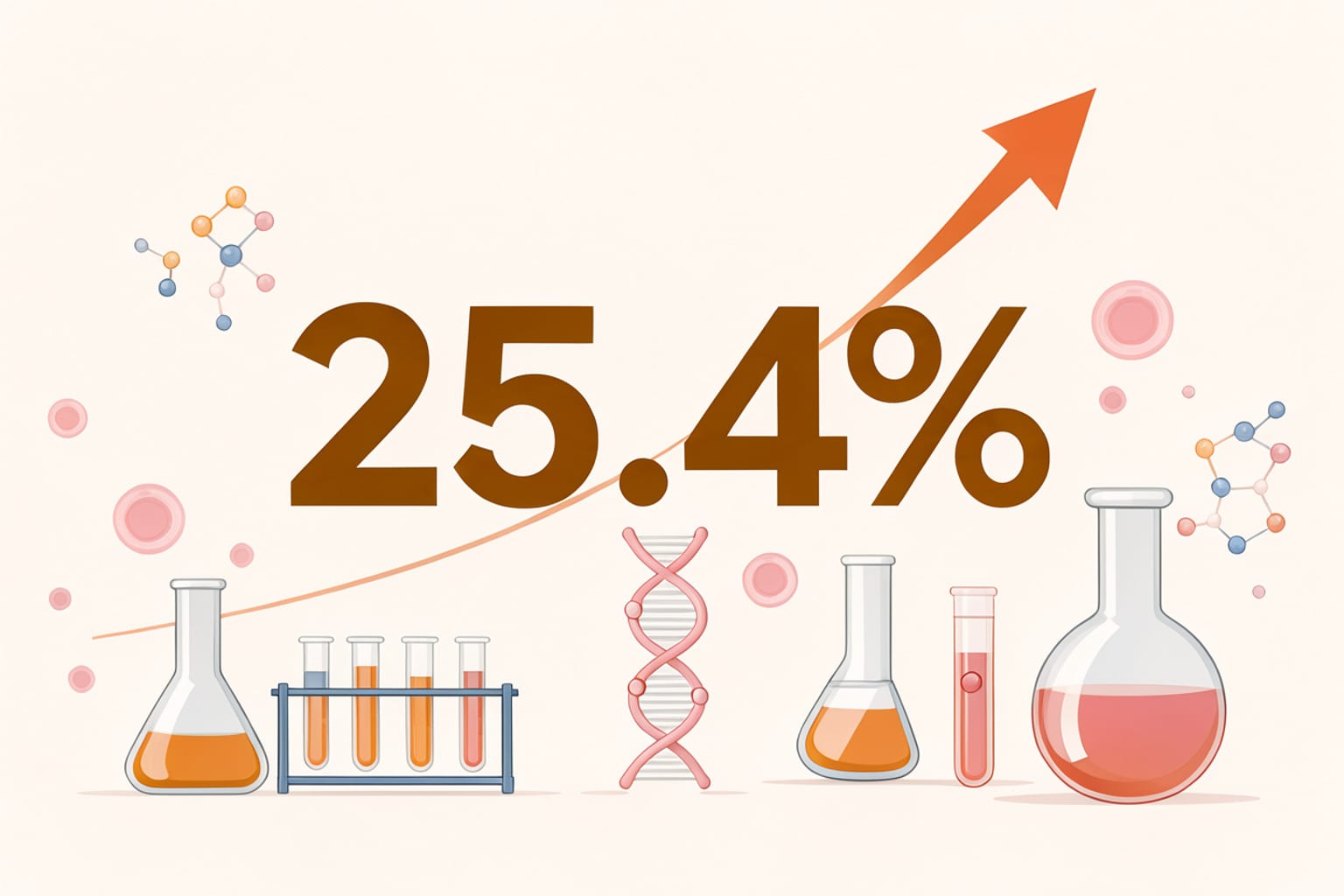
About one woman in 20 loses more than one pregnancy before 20 weeks. For many couples, the hardest part is what comes after: the tests end with no answer. Researchers at the University of California, San Francisco (UCSF) and Stanford Medicine now report a way to find one for some of them. Sequencing the full genomes of 118 families turned up a likely genetic cause in 30 of them, or 25.4%.
The usual checks are blood tests and an ultrasound. When tissue from the lost fetus is available, its chromosomes are counted: a healthy fetus has 23 pairs, and missing or extra chromosomes are a known cause of miscarriage. These tests explain only a small share of losses. About 70% of them involve normal chromosomes, and in the families studied, the scans had shown nothing visibly wrong.
The new approach, called whole-genome sequencing, reads the DNA of three people in each family: the fetal tissue, the mother and the father. The team compared the three to find changes in the fetus, then checked whether each change had been inherited from a parent or had appeared by chance during the formation of an egg, a sperm or the early fetus. The study found 39 changes in 28 genes. Thirteen were in genes already linked to stillbirth or to death shortly after birth. The other 15 had never been tied to pregnancy loss, and many of the genes played a part in the development of the blood and the heart.
In 25 of the 30 explained cases, the change was inherited from one or both parents, sometimes from a parent with few or no symptoms. In two families, the change appeared only in eggs or sperm. 'One thing that is important to understand from this data is that both parents can clearly play a role in this,' said Aleksandar Rajkovic, the UCSF professor who co-led the study. 'This is not just a maternal issue.'
For a couple, a known cause changes the estimate of the risk in the next pregnancy, and it opens options. Preimplantation genetic testing screens embryos created by in vitro fertilisation (IVF) for a specific gene variant. In a follow-up effort at UCSF, the team returned whole-genome results to couples. Rajkovic said at least a few of them changed how they managed their next pregnancy. In one family, a gene linked to a severe fetal lymphatic disorder was identified; the couple used preimplantation testing and had a healthy child. Such steps, he noted, apply only to well-established disease-causing variants.
This remains a research study, not a routine test. Whole-genome sequencing is not yet standard care for repeated losses, and insurance coverage varies. Rajkovic said more and larger studies are needed before it is routinely offered. The team is also enrolling more families to confirm that the genes identified truly cause pregnancy loss, and not every miscarriage in an affected family carried the variant. The 118 families analysed were selected after samples with chromosome abnormalities were excluded from a larger group of 176.
The next step is a larger and more diverse group of families, which the team plans to study. Until then, Rajkovic advises couples who have had two or more losses to ask their providers about whole-genome sequencing.
Sources — read the originals(Paris time)
Pages consulted while writing
Read next
Comments
Loading the thread…
Sign in to leave a comment. Sign in