Tumor profiling flags cancer-risk genes that standard tests often miss
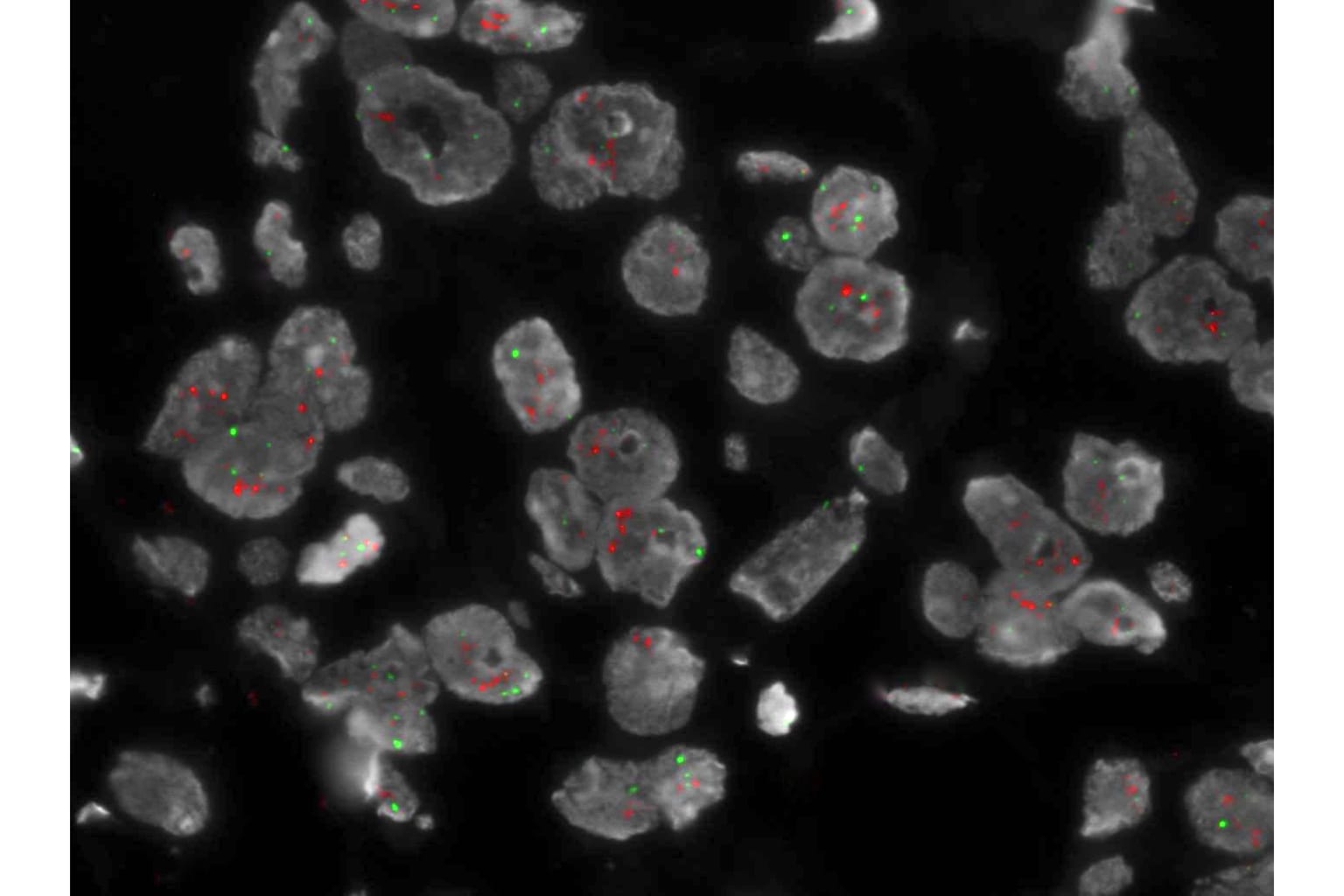
For most cancer patients, genetic testing looks only at the tumor. At the Fondazione Policlinico Universitario A. Gemelli IRCCS, in Italy, researchers read more than 500 genes in tumor samples from patients with solid tumors, and found more than the tumor itself: changes that are also present in the patients' healthy cells. In 1 in 10 patients, these changes were linked to cancer predisposition, and they can also be present in relatives.
Next-generation sequencing, the technique used here, reads many stretches of DNA at once, which makes it possible to scan hundreds of genes in a single analysis. In Italy, the National Health Service reimburses tests that cover a limited number of genes, usually panels built around one cancer type, such as lung, ovarian or colon cancer. Testing more than 500 genes is not standard clinical practice. At Gemelli, it is offered within the FPG500 program, started in 2022 and backed by professor Giovanni Scambia, former scientific director of the foundation.
Between January 2022 and December 2023, about 2,700 samples were analyzed, mostly from patients with endometrial or ovarian cancers. The study, published in Genome Medicine and coordinated by professor Maurizio Genuardi, reports that 16% of the constitutional variants sit in genes not usually associated with the tumor type, so current guidelines would not have pointed to them. Another 20% involve genes of moderate risk, which guidelines do not require testing systematically. Standard pathways would likely have missed roughly one-third of the people with a hereditary cancer-predisposition syndrome.
For a patient, the result can shape treatment and the monitoring of other organs at risk, and it can point to prophylactic surgery or targeted drug therapy, such as aspirin in Lynch syndrome. For relatives, it makes cascade testing possible: checking whether they carry the same variant, so that those at high risk can start prevention before a tumor develops. The limits are real. The referral funnel is narrow, with 0.16% of patients who underwent tumor profiling sent for specialist genetics evaluation, although 80% of those invited attended the consultation. And these figures cover the program's first two years at one hospital.
The team's next step is to look at additional hereditary alterations in genes beyond those analyzed so far, among patients already profiled. It also plans to measure the impact: how many patients enter surveillance and risk-reduction programs, how many at-risk relatives undergo genetic testing, how many are carriers, and how many start a prevention program.
Sources — read the originals(Paris time)
Read next
Comments
Loading the thread…
Sign in to leave a comment. Sign in