Long-read DNA sequencing resolves 32 unexplained tumors
Forty-six tumors had a problem nobody could name. In a screen of 768 patients with prostate, breast or ovarian cancer, the researchers flagged 46 tumors with signs of genomic instability, a sign that the genome is breaking down in ways that standard tests could not account for. The team behind Michigan's Oncology Sequencing Program, or MiOncoSeq, launched in 2010 as the first program of its kind in the nation to sequence patient tumors, decided to look again with a different tool.
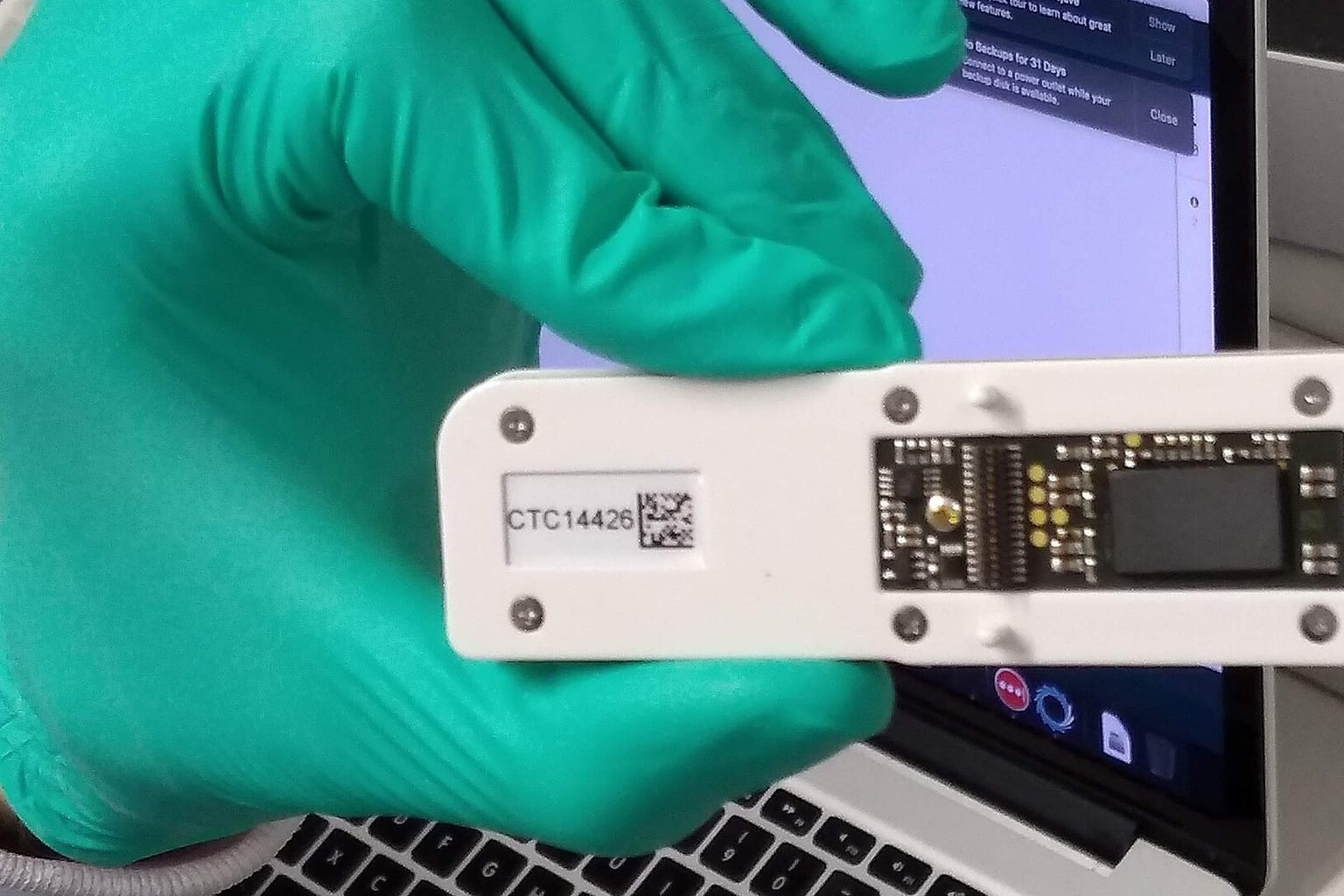
That tool is long-read nanopore sequencing. Conventional sequencing reads small pieces of DNA, typically a few hundred letters long. Long-read sequencing reads thousands to tens of thousands of letters in a single stretch, which lets researchers see complex changes and how they fit together. The reason this matters is that most genes come in two copies, one from each parent. A gene that protects against cancer can be disabled on one copy or on both, through complex DNA rearrangements or chemical modifications. A cancer-promoting gene can also carry several mutations on a single copy, which may raise its activity or contribute to drug resistance. “Having a list of mutations doesn’t always explain a tumor,” said Arul Chinnaiyan, director of the Michigan Center for Translational Pathology. “We need to understand how these mutations are arranged.”
In the 46 unexplained tumors, long-read sequencing resolved 32 cases, by identifying hidden alterations or chemical changes affecting genes that protect against cancer. In a wider analysis of 4,496 tumor samples from 3,688 patients, the team used nanopore sequencing on selected cases to determine how mutations were arranged in genes including NOTCH1, PDGFRB, KIT and PIK3CA. The method also reached beyond tumors. One woman with a strong family history of breast and ovarian cancer had tested negative on a commercial multigene panel. Nanopore sequencing of her blood sample revealed a disease-causing DNA insertion in BRCA2, a gene involved in repairing damaged DNA.
A separate report in the New England Journal of Medicine applied the same tool to a harder case. A 3-year-old boy with Krabbe disease, a rare inherited disorder that affects the protective coating of nerve cells, had received gene therapy after a stem cell transplant, as part of a clinical trial. The therapy used a modified adeno-associated virus, or AAV, to deliver a working copy of the GALC gene. Twenty-six months later, routine imaging showed a small tumor beside his spine. Nanopore sequencing found that a fragment of DNA from the modified AAV had inserted into the GLI1 gene. That fragment carried genetic switches that drove unusually high activity of GLI1, a gene that can promote tumor growth when abnormally activated. At the time of the report, the child had no tumor-related symptoms or neurological deficits and was being monitored with serial imaging.
For families whose cancer history stays unexplained, and for patients whose tumors resist standard analysis, the change is a fuller reading of the genome: not only which mutations exist, but how they sit on each copy of a gene. The authors hope that findings like the BRCA2 case could guide genetic counseling and testing for relatives. The study does not say when long-read sequencing could reach routine testing, and the 32 resolved cases come from a research cohort, not a clinical rollout. “It is also important to monitor patients over the long term after they receive treatment,” Chinnaiyan said.
Sources — read the originals(Paris time)
Read next
Comments
Loading the thread…
Sign in to leave a comment. Sign in