Fast genome sequencing guides care in about half of child cancer cases
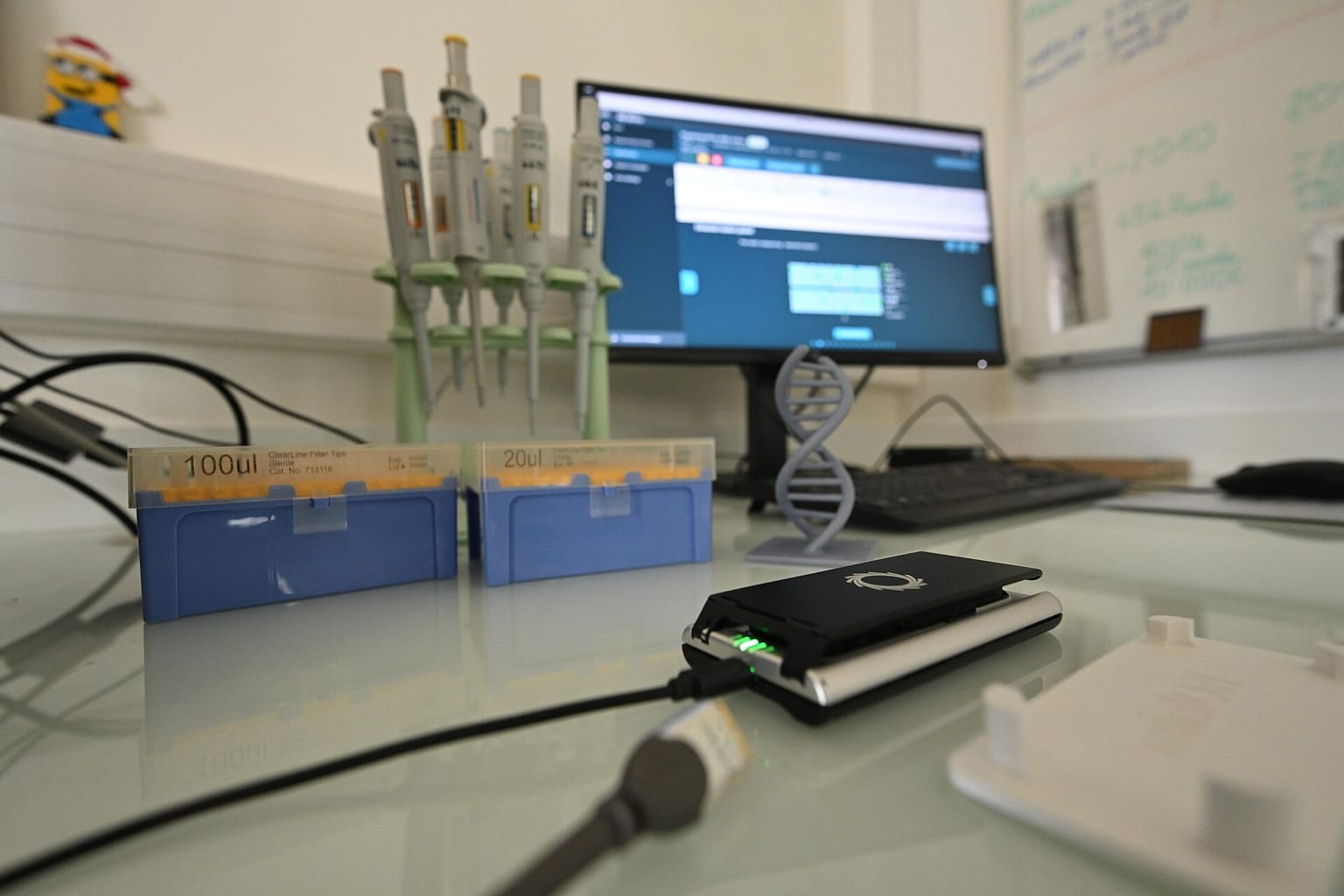
Several weeks: that was the usual wait for a genetic answer when a child had cancer. In a study published in Nature Communications, researchers at Cedars-Sinai Guerin Children's in Los Angeles and the University of Cambridge tested a faster route. Whole-genome sequencing, which analyses the roughly 20,000 genes in a person's DNA from a blood or saliva sample, returned results in three to seven days. For about 50% of the cases they studied, that speed made a difference to care.
Earlier Cambridge work had already found whole-genome sequencing more effective than standard genetic tests for diagnosing childhood cancer, but its results took three to six weeks. Faster answers help clinicians reach a more precise diagnosis, decide on treatment sooner, avoid unnecessary interventions and adjust chemotherapy doses. In the study of 54 children, the doses were matched to each child's metabolism in some cases, and medications were switched in others. In one case, treatment was withheld.
A separate UK pilot study, published in The Lancet Regional Health-Europe, applied the same tool to cerebral palsy, a lifelong condition caused by damage to the developing brain from premature birth, infections or brain injuries. Worldwide, 18 million people have it. Recent evidence suggests that about one in four people with cerebral palsy may carry a DNA mutation in a specific gene, and more than 100 genes are linked to the condition. Among the children who received a genetic diagnosis, 63% had their care plans changed.
"Whole-genome sequencing gives us an opportunity to better understand why a child develops a particular condition and, in some cases, to change how we care for that child," said David Rowitch, deputy director of research at Cedars-Sinai Guerin Children's and corresponding author of both studies. For families, the gain is measured in days and in the decisions that follow. Cedars-Sinai has launched a whole-genome sequencing protocol for its neonatal and pediatric intensive care units, and is studying the CTNNB1 gene, which is commonly found in children with cerebral palsy. In the UK, national adoption of rapid sequencing is being tested. In the US, it will require institutions to champion the approach and to increase access and capacity.
The limits are clear. The cancer study involved 54 children and a limited patient population, and the cerebral palsy work is a pilot. The criteria for testing children with cerebral palsy are not yet well established, and more guidelines are needed. The next step at Cedars-Sinai is to extend these capabilities to pediatric oncology and other specialties where genomic information can change care, with the aim of helping clinicians choose the right treatment for each child.
Sources — read the originals(Paris time)
Read next
Comments
Loading the thread…
Sign in to leave a comment. Sign in