German prototype wind tower reaches 300 m hub height
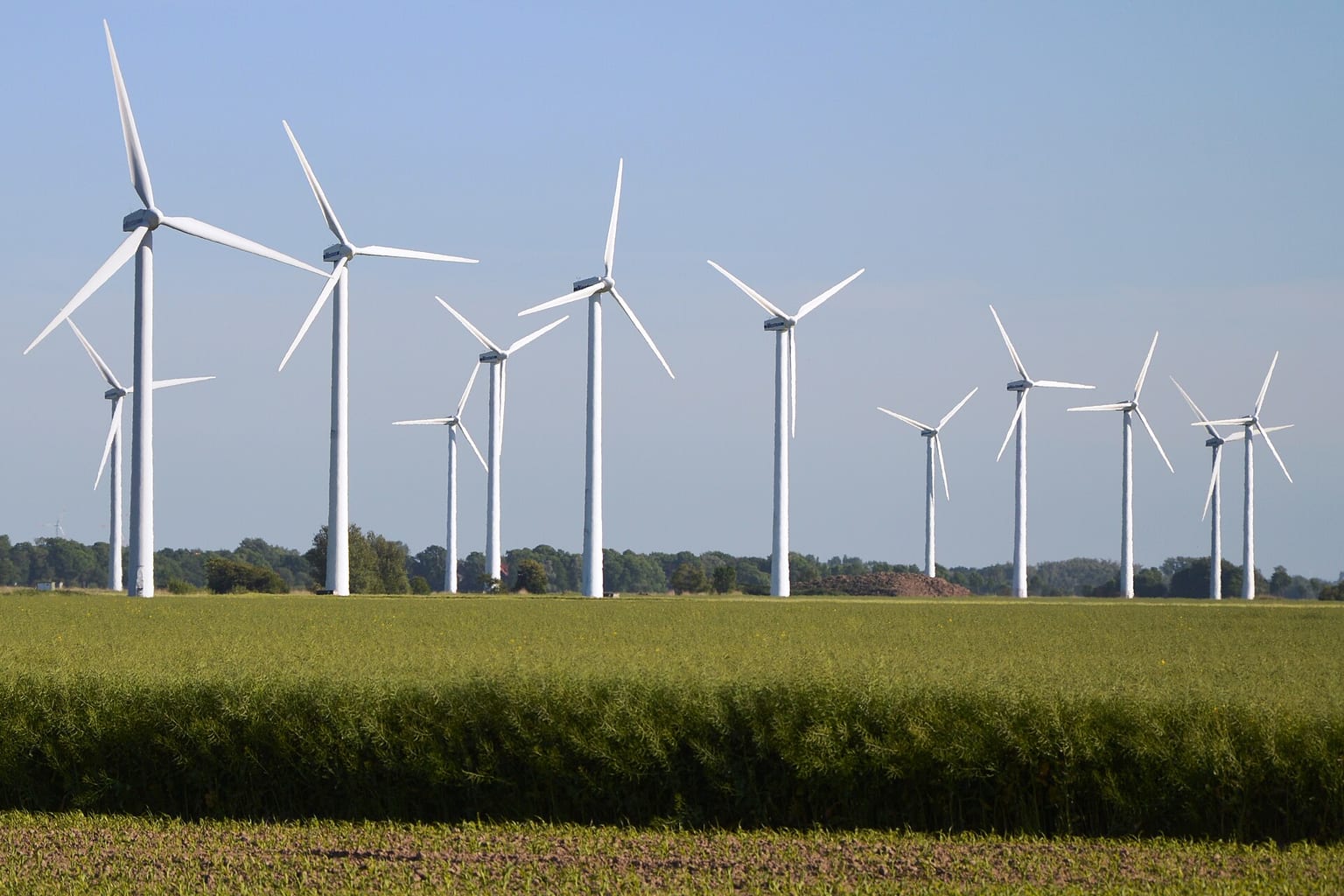
In Schipkau, Germany, the company GICON has built a prototype wind tower that reached a hub height of 300 meters in September. The hub is the central point where the rotor's blades attach, and the upper blade tip reached a reported 365 meters. The turbine was not lifted by a conventional crane. A lattice structure and a telescoping inner tower allow the assembly to be raised into place at that height.
The attraction is easy to grasp: winds are stronger higher above the ground. But the comparison has moved while GICON was building. Max Bögl has just erected a Vestas V172-7.2 MW turbine with a 199-meter hub on a series-production hybrid tower. Against towers of 100 or 150 meters, 300 meters looks like a leap. Against 199 meters, the gain becomes a question of economics.
The model's figure is the clearest test of that gain. Two hypothetical farms, with identical 7.2 MW turbines and rotor diameters, differ only in hub height, from 199 to 300 meters. Under the model's wind assumptions, the taller farm produces 11.4% more electricity each year. That number is a projection, not a measured output, and it varies with the site's vertical wind profile. Measurements at Schipkau suggest some locations could do substantially better.
The construction side is less simple. A giant lattice needs thousands of components and extensive work at height, and the build included a pause for steel-quality checks. Turbines begin earning as they enter service, while construction costs come much earlier, so the conventional farm earns first and the taller one only gradually closes the gap. The model relies on a provisional construction allowance, and the key costs still await supplier quotations.
For developers who already hold permits, land access or grid connections, extra output from the same generating equipment is worth the most, and those are the sites where a 300-meter tower is most likely to make sense. Schipkau has shown that a tower of this height can be built. Whether the approach becomes commercially competitive will depend on what the next installations achieve, starting with what repeat builds cost and how long they take.
Sources — read the originals(Paris time)
Read next
Comments
Loading the thread…
Sign in to leave a comment. Sign in