GKN Aerospace wins first Nadcap accreditation for metal 3D printing
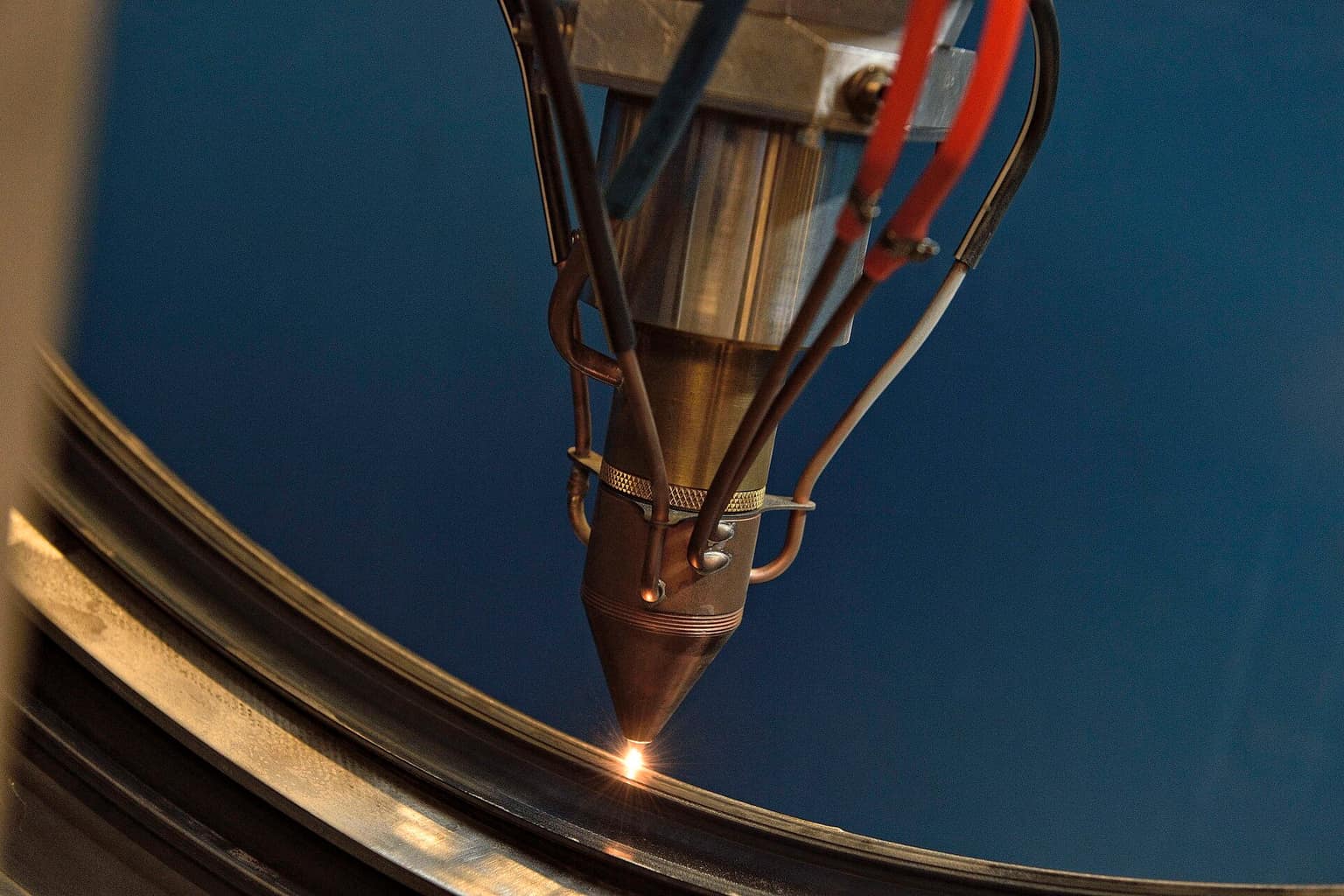
In aerospace, the question was long not whether metal 3D printing could produce a part, but whether it could be certified. GKN Aerospace has just crossed that threshold: its Trollhättan site in Sweden has won Nadcap accreditation for its metal additive manufacturing process known as DED. According to 3Dnatives, which reported the announcement, it is a world first.
Nadcap, short for National Aerospace and Defense Contractors Accreditation Program, certifies mastery of special processes such as welding or heat treatment. Recognised internationally, it replaces the individual audits that each aircraft manufacturer required of its suppliers: an accredited site no longer has to be inspected separately by each prime contractor. For additive manufacturing, this was the sticking point. According to the article, qualification and certification remain what still holds the sector back.
The investment is already substantial. GKN had committed 600 million Swedish kronor, or about €55 million, to this plant in 2024 to industrialise additive manufacturing. The group says it has already produced several 3D-printed parts that are now flying.
For customers and suppliers, the change comes down to trust. Sébastien Aknouche, Senior Vice President Material Solutions at GKN Aerospace, explains that prime contractors are looking for partners capable of “robust and repeatable” processes. The accreditation, he says, “offers a stronger foundation” for extending the L-DED-w technology to the aerospace and defence sectors. The group gives no timeline for these new applications, nor any production volume.
What happens next will be decided on the programmes themselves: each printed part that moves from testing to series flight will be proof that the process holds up in real-world conditions.
Sources — read the originals(Paris time)
Read next
Comments
Loading the thread…
Sign in to leave a comment. Sign in